
Understanding the Impact of Colour in Modern Dental Practice
The atmosphere at the dentist Balwyn plays a crucial role in shaping patient experiences and outcomes. Whilst many practitioners focus on advanced equipment and clinical procedures, the psychological impact of colour choices within dental environments remains an underutilised tool for creating positive therapeutic spaces. The strategic application of colour psychology can transform a sterile medical environment into a welcoming space that promotes healing and reduces anxiety.
Colour psychology operates on both conscious and subconscious levels, influencing emotions, behaviour, and physiological responses. In dental settings, where patients often experience heightened stress and apprehension, thoughtful colour selection becomes particularly significant. Research demonstrates that certain hues can lower blood pressure, reduce cortisol levels, and create feelings of calm and security that benefit both patients and dental professionals.
The Science Behind Colour Perception in Healthcare Settings
The human brain processes colour information rapidly, triggering immediate emotional and physiological responses. Cool colours such as blues and greens typically evoke feelings of tranquillity and trust, whilst warm tones like soft yellows and peaches can create a sense of comfort and optimism. Understanding these fundamental principles allows dental practitioners to create environments that support positive patient experiences.
Professional guidance on colour scheme selection for dental offices emphasises the importance of balancing aesthetic appeal with functional requirements. Different areas within a dental practice may benefit from varying colour approaches, with reception areas requiring welcoming tones and treatment rooms needing colours that promote focus and calm.
Physiological Responses to Colour
Scientific studies reveal measurable physiological changes in response to different colours. Blue environments have been shown to lower heart rates and reduce anxiety levels, making this colour particularly valuable in waiting areas. Green, associated with nature and growth, promotes healing and restoration whilst maintaining a sense of cleanliness essential in medical environments.
A comprehensive approach to dental office colour psychology considers how different demographics respond to colour variations, ensuring that practice environments appeal to diverse patient populations whilst maintaining professional standards.
Practical Applications in Different Areas of Dental Practices
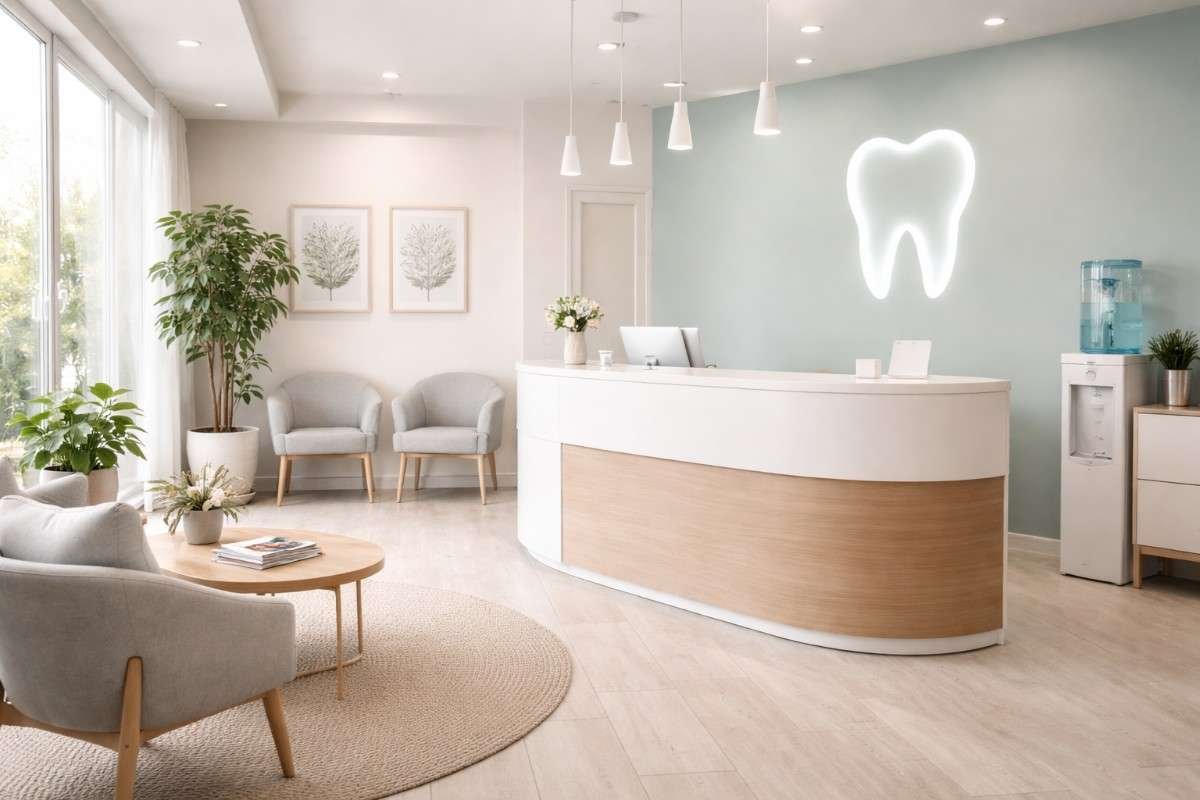
Reception areas serve as the first point of contact between patients and the practice, making colour choices in these spaces particularly influential. Warm, inviting tones such as soft beiges, gentle greens, or muted blues create an atmosphere of welcome whilst maintaining professionalism. These colours help counteract the clinical associations many patients have with dental visits, establishing a more relaxed mindset from the moment they enter.
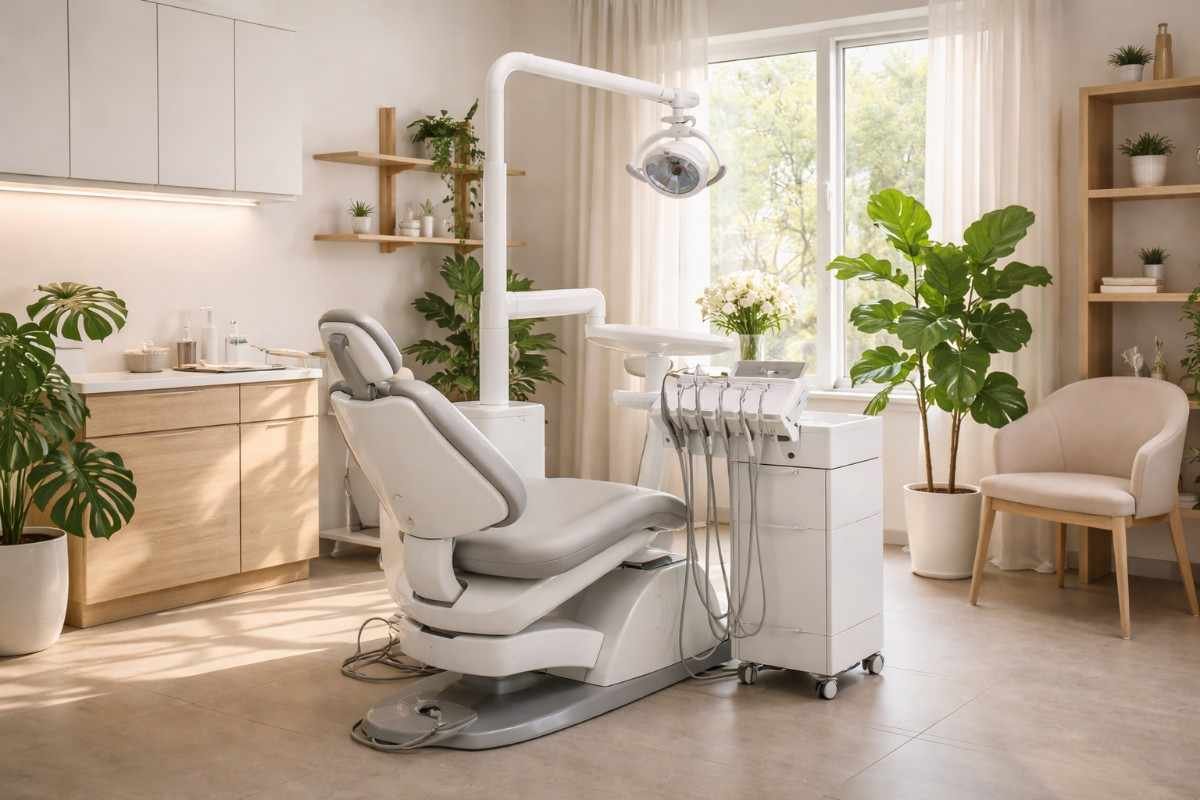
Treatment rooms require careful consideration of both patient comfort and clinical functionality. Neutral colours with subtle warm undertones provide a calming backdrop without interfering with colour perception during procedures. Soft greys, warm whites, and pale blues offer the necessary clinical appearance whilst avoiding the stark, intimidating feeling of pure white environments.
Colour Considerations for Paediatric Areas
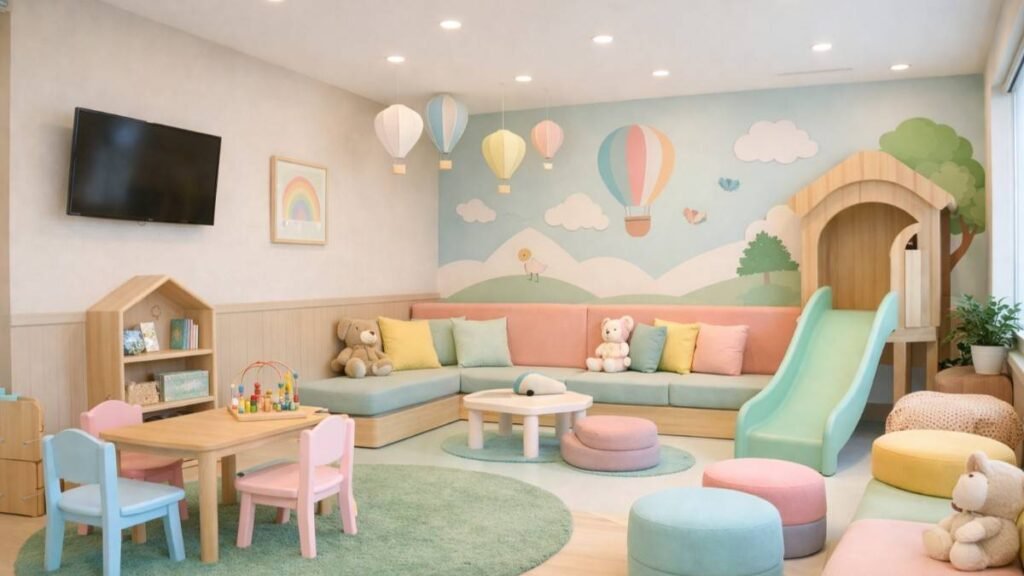
Children’s areas within dental practices benefit from thoughtfully applied brighter colours that stimulate positive emotions without causing overstimulation. Gentle pastels, nature-inspired greens, and cheerful yellows can create engaging environments that reduce childhood dental anxiety. However, these colour choices must remain balanced to avoid creating chaotic or overwhelming spaces that might increase stress levels.
The integration of chromotherapy principles in dental practice design offers additional insights into how specific colours can support healing processes and emotional wellbeing throughout the patient journey.
Implementation Strategies for Dental Professionals
Successful implementation of colour psychology principles requires understanding the specific needs of the patient demographic served. A dentist Balwyn practice catering to families might incorporate different colour strategies compared to practices focused on adult cosmetic dentistry. The key lies in creating cohesive colour schemes that support the practice’s therapeutic goals whilst reflecting its professional identity.
Lighting plays an equally important role in colour psychology, as artificial lighting can significantly alter colour perception and emotional response. Natural light should be maximised where possible, with artificial lighting chosen to complement the selected colour palette rather than compete with it.
Creating Lasting Positive Impressions
The thoughtful application of colour psychology in dental environments represents an investment in patient wellbeing and practice success. When patients associate a dentist Balwyn or any dental practice with positive emotions and comfortable experiences, they are more likely to maintain regular appointments and recommend the practice to others. Including dental health and cognitive function links.
This approach to environmental design demonstrates a commitment to holistic patient care that extends beyond clinical procedures to encompass the entire patient experience, ultimately contributing to better oral health outcomes and stronger patient-practitioner relationships.
Any surgical or invasive procedure carries risks. Before proceeding you should seek a second opinion from an appropriately qualified health practitioner.