Have you ever stood on the pitch, feeling like you’re just not getting it right? I know the feeling—I’ve been there. It’s frustrating when you’re working hard, but the ball just doesn’t seem to listen. Whether you’re a beginner or have a bit of experience under your belt, improving your football skills is a journey. But here’s the thing: it’s a journey that’s more fun than frustrating when you start incorporating the right drills and habits into your routine.
I’m not a professional footballer, but over the years, I’ve picked up a few things that have made a real difference in my game. These aren’t just the basics you hear all the time—they’re practical, actionable steps that have helped me get better on the field. And I promise you, with a bit of dedication and the right approach, you’ll start to see improvements, too.
Why Should You Focus on the Basics First?
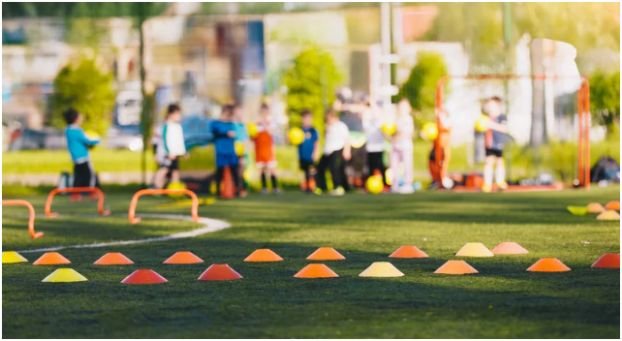
When I first started playing, I wanted to skip ahead to the flashy moves—the rainbow flicks, the no-look passes. But you know what? Those things are worthless if you don’t have the fundamentals locked down. Passing, dribbling, and ball control are the building blocks of football. Without these, you’re setting yourself up for failure.
What really changed my game was going back to basics. I spent a lot of time refining my first touch, my dribbling technique, and my passing. Yes, it might seem repetitive at times, but I can’t emphasize enough how important this is. It’s like learning to walk before you run.
The First Touch: Why It’s Your Best Friend
If you’re not controlling the ball well from the start, everything else falls apart. I used to struggle with trapping passes, but I realized that focusing on my first touch was a game-changer. Now, I spend 15 minutes a day just juggling the ball.
It seems simple, but it works wonders for my balance and coordination. You can start by juggling with both feet, your thighs, and your chest. Gradually, you’ll find it easier to control the ball when it’s coming at you from different angles.
Quick Tip: Whenever the ball comes to you, make sure to cushion it with your first touch. Don’t just let it bounce off your foot—control it like you’re gently catching it.
Dribbling Like a Pro (Well, Almost)
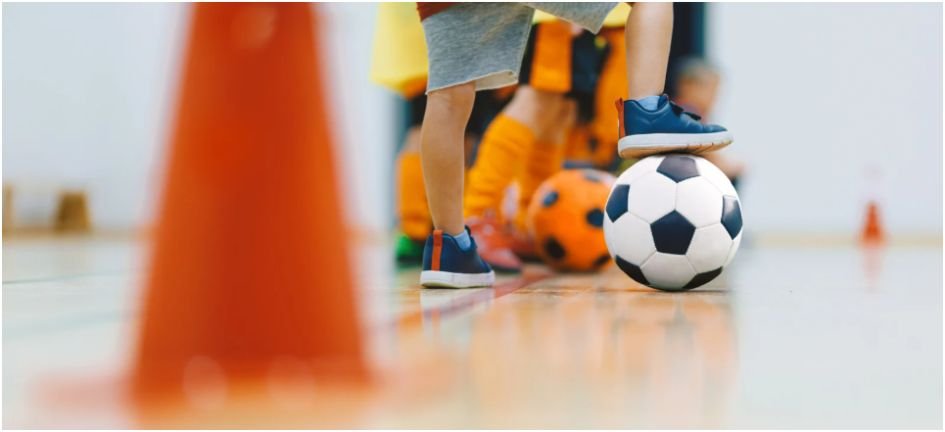
I used to be that player who’d kick the ball ahead and chase after it, thinking that’s how you get past defenders. But here’s the reality: dribbling is all about control. Setting up cones or markers in a zigzag pattern, as simple as it sounds, is an excellent drill to practice your dribbling. The goal is to change direction quickly while keeping the ball close to your feet.
I spent weeks working on dribbling with both the inside and outside of my feet, making tight turns, and always keeping my head up. The improvement was noticeable, especially when I was able to weave past defenders during games with more ease.
How to Improve Football Skills: Key Drills for Speed and Agility
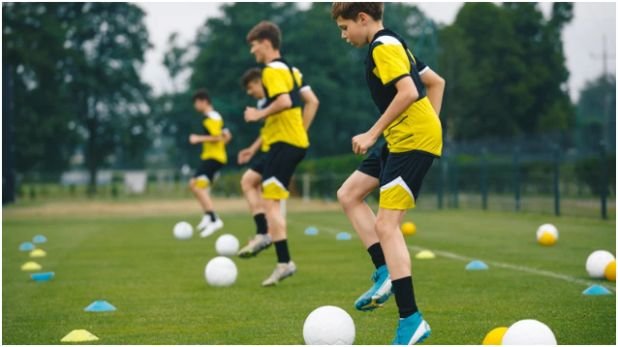
Football isn’t just about technique; it’s about how quickly you can react, change direction, and accelerate. I can’t tell you how many times I’ve watched myself on video, and the one thing that stood out was how slow my reaction time was. So, I started incorporating agility drills into my routine, and it made a world of difference.
T-Drill: Quick Feet, Quick Reactions
The T-drill is perfect for improving lateral movement and speed. It’s all about your ability to quickly change direction and balance while moving at speed. Here’s how you can do it:
- Set up 4 cones in a “T” shape: one at the base, one 10 yards forward, and two cones 5 yards to each side.
- Sprint forward to the middle cone.
- Shuffle to the right cone, then left, and back to the center.
- Backpedal to the start.
5-10-5 Shuttle: Build Balance and Quickness
This drill helped me a lot with my lateral speed and explosive starts. It’s simple:
- Set 3 cones in a straight line, 5 yards apart.
- Start at the middle cone and sprint 5 yards to one side.
- Touch the cone, then sprint 10 yards to the other side.
- Change direction and sprint back to the center cone.
These drills don’t just build your physical agility—they also make you more aware of the space around you. They’ve helped me feel more confident when I’m under pressure in tight spots on the field.
Hill Sprints for Explosive Power
If you want to build real leg power, add hill sprints to your routine. The uphill resistance forces you to push harder, which improves your acceleration. I personally love doing 10-second sprints up a steep hill, then walking back down to recover. It builds strength, speed, and endurance all at once.
How to Incorporate Strength and Conditioning into Your Routine

You can work on your ball skills all day, but if you don’t have the physical conditioning to back it up, you’ll struggle to maintain that level of intensity for a full match. Strength training and conditioning are key to improving your football skills in the long run.
Leg Strength and Explosive Power
Squats, lunges, and box jumps—these exercises became my go-to for building leg strength. Strong legs are essential for pushing off the ground quickly and jumping higher. Plyometrics like jump squats are perfect for converting strength into speed, and it helps with your explosiveness on the field.
Core Strength for Stability
I also learned that a strong core is essential for maintaining stability during quick movements. Planks, Russian twists, and leg raises became a daily part of my routine. A stable core not only improves your balance but also helps you transfer power more efficiently between your upper and lower body.
How to Improve Football Skills: A Step-by-Step Guide
By now, you might be wondering, “How do I put all this together into a solid routine?” It’s easier than you think! Here’s my recommended weekly schedule to improve football skills:
- Monday – Dribbling drills (20 minutes), Strength training (30 minutes)
- Tuesday – Agility drills (T-Drill & 5-10-5) (20 minutes), Core workout (15 minutes)
- Wednesday – Rest day or light recovery
- Thursday – Shooting practice (20 minutes), Hill sprints (20 minutes)
- Friday – Ball control (15 minutes), Plyometric training (20 minutes)
- Saturday – Full-body workout + game or practice (45 minutes)
- Sunday – Rest day or light stretching
Pro Tip: Consistency is key. Stick with this schedule, and you’ll see improvements within a few weeks.
FAQs About Improving Football Skills
Q1: How can I improve my ball control?
The best way to improve ball control is to practice juggling. Start with a few juggles with your feet and work your way up. Also, try receiving passes from a wall and controlling them with different parts of your body, like your feet, thighs, and chest. This will build muscle memory for receiving the ball during games.
Q2: How can I get faster on the field?
Speed comes from explosive power and good running mechanics. Focus on sprinting drills, hill sprints, and explosive leg exercises like squats and lunges. Consistency in sprinting with short rest periods is key to building speed.
Q3: What’s the best way to improve my passing?
The key to good passing is accuracy and timing. Practice passing against a wall, focusing on controlling the ball with your first touch and making precise passes. Try passing with both feet and mixing up your distances to challenge your accuracy.
Time to Level Up Your Game!
Improving your football skills is all about consistency and dedication. Don’t expect overnight results, but with the right mindset and a solid routine, you’ll see continuous progress.
Make it part of your lifestyle, and the game will feel easier, faster, and more exciting. Keep pushing yourself, and remember—success on the field starts with good habits off the field.