
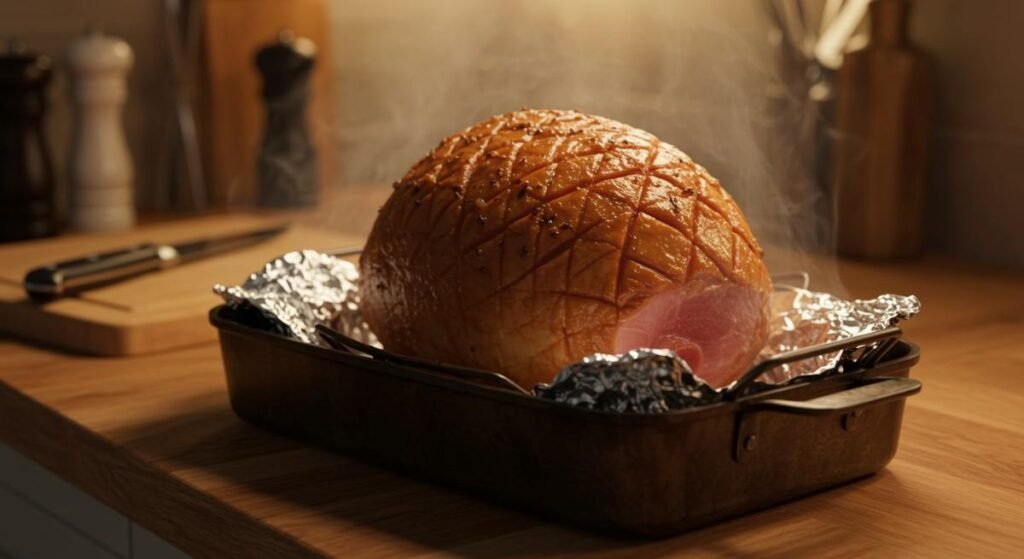
The first time I hosted a holiday dinner on my own, I confidently pulled a giant spiral ham out of the fridge, popped it into the oven, and assumed magic would happen. What I didn’t realize was that how to cook a fully cooked ham is less about “cooking” and more about not ruining something that’s already perfect. I blasted it with heat, skipped the foil, and ended up serving something closer to ham jerky than a juicy centerpiece.
Lesson learned—painfully. Since then, I’ve cooked fully cooked hams for holidays, lazy Sundays, and last-minute family drop-ins. I’ve tested temps, glazes, and timing so you don’t have to. This guide is the friendly, no-stress version I wish I had back then—full of real-life tips, kitchen hacks, and must-know basics that actually work.
What Does “Fully Cooked Ham” Really Mean Before It Goes in the Oven?
A fully cooked ham is exactly what it sounds like—it’s already safe to eat straight from the package. That’s where most people get tripped up. You’re not cooking it from raw; you’re reheating it gently while keeping it moist and flavorful. Treat it like a delicate guest, not a tough cut of meat. Most grocery-store hams are cured, smoked, or baked before packaging.
Your job is to warm it evenly and enhance the flavor, not dry it out. Once you understand that shift in mindset, everything else becomes easier and far less stressful. The biggest mistake I see is cranking the oven too high. High heat pulls moisture out fast, and ham has very little forgiveness. Low and slow wins every time.
Why Do Fully Cooked Hams Dry Out So Easily?
Ham is leaner than it looks. Even with that glossy exterior, there isn’t much internal fat to protect it from heat. That’s why a few extra minutes—or skipping foil—can make a big difference. Another reason is double-heating. Since the ham was already cooked once during processing, blasting it again causes moisture loss fast.
Think of it like reheating pizza: gentle heat keeps it soft, while aggressive heat turns it sad. Glaze timing matters too. Adding sugar too early can cause the outside to caramelize and dry before the inside warms through. That’s why, in how to cook a fully cooked ham, patience (and foil) are your best friends here.
What Temperature Works Best for Cooking a Fully Cooked Ham?
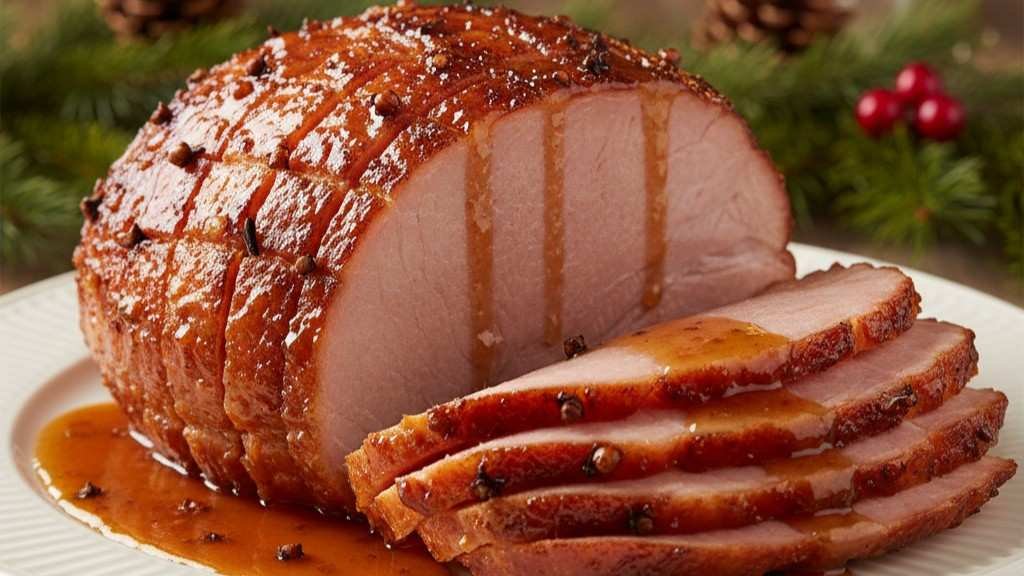
After way too much trial and error, I swear by 325°F. It’s the sweet spot—warm enough to heat the ham through, but gentle enough to keep it juicy. Anything higher is risky unless you enjoy living dangerously in the kitchen. Internal temperature is more important than time.
You’re aiming for about 140°F in the thickest part. That’s warm, sliceable, and still moist. If your ham is bone-in, expect it to take a bit longer since the bone slows heat transfer. This is one of those moments where a basic meat thermometer earns its keep. Guessing leads to regret.
How to Cook a Fully Cooked Ham Step by Step (Without Drying It Out)
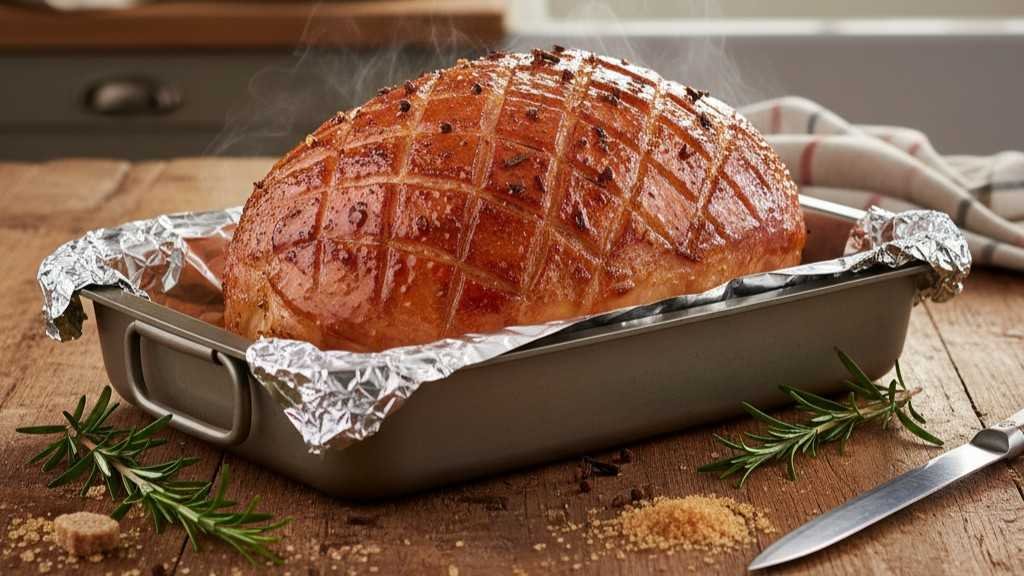
Take the ham out of the fridge about 30 minutes before baking. This helps it heat evenly. While it rests, preheat your oven to 325°F and set the rack in the lower third.
Place the ham cut-side down in a roasting pan to create a seal that traps moisture. Add about half a cup of water, broth, or apple juice to the pan to create steam, but not to flavor the ham directly. Cover the pan tightly with foil—this is essential.
Bake for 10–12 minutes per pound, but avoid opening the oven too often. When the internal temperature reaches 130–135°F, remove the foil, add the glaze, and return the ham to the oven uncovered.
Let it bake until the glaze sets and the internal temperature hits 140°F. Pull it out and let it rest for at least 10 minutes before slicing. This helps keep the juices inside.
Should You Glaze a Fully Cooked Ham or Keep It Simple?
I’m firmly in the “optional but fabulous” camp. A fully cooked ham already has plenty of flavor, so glaze should complement, not overpower. My go-to is a mix of brown sugar, mustard, and a splash of apple cider vinegar benefits for balance. If you’re short on time, skip the glaze entirely and focus on proper heating.
A perfectly warmed ham with no glaze beats a dry, over-glazed one every single time. For something fun and modern, try maple with a hint of chili or honey with orange zest. Just remember—glaze goes on near the end, not at the beginning.
Frequently Asked Questions
1. Can You Cook a Fully Cooked Ham the Day Before and Reheat It?
Yes, and I’ve done this more times than I can count for stress-free hosting. Cook the ham fully, let it cool, and store it tightly wrapped in the fridge. When you’re ready to serve, reheat it at 300°F with foil and a splash of liquid until warmed through. This method works beautifully and actually helps flavors settle. Just avoid reheating multiple times, which can dry it out.
2. How to Cook a Fully Cooked Ham Per Pound?
A good rule of thumb is 10–12 minutes per pound at 325°F. Bone-in hams lean closer to 12 minutes per pound, while boneless hams heat slightly faster. Always rely on internal temperature rather than time alone. Once it reaches 140°F, it’s ready to rest and serve. Overcooking past that point doesn’t make it safer—just drier.
3. Do You Need to Add Water When Baking a Fully Cooked Ham?
Adding liquid to the pan isn’t mandatory, but it’s a smart insurance policy. The liquid creates steam in the oven, which helps prevent moisture loss. I usually add water, broth, or apple juice. The ham won’t absorb it directly, but the humid environment makes a noticeable difference, especially for longer bake times.
4. What’s the Best Way to Slice a Fully Cooked Ham?
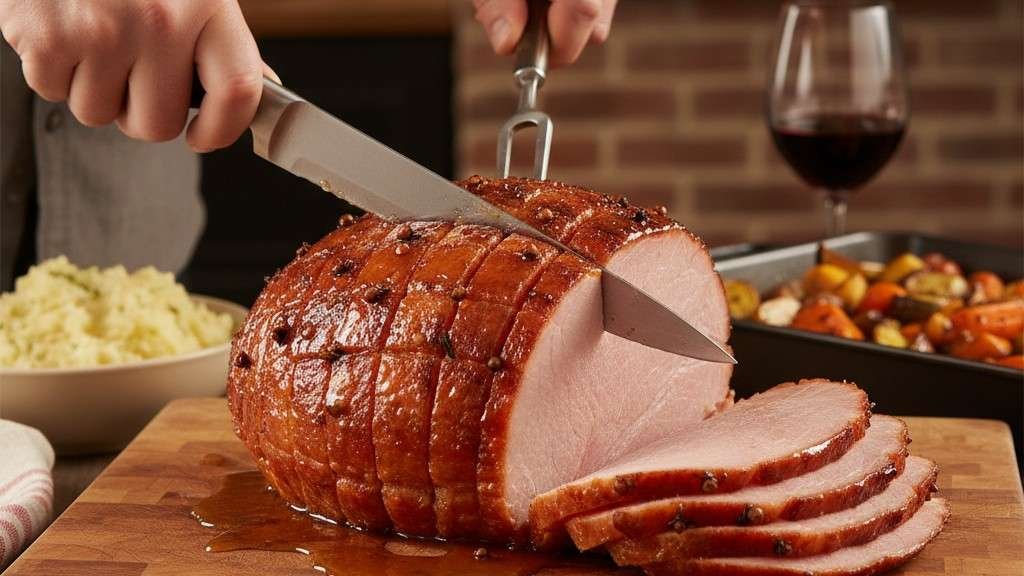
Let it rest first—this is key. For bone-in hams, slice along the bone to release sections, then cut into even slices. For spiral hams, gently separate slices with a knife rather than pulling them apart. A sharp carving knife makes everything easier and cleaner, especially when serving guests.
Oven Cooking Times & Temperature for Fully Cooked Hams
| Weight of Ham | Oven Temperature | Cooking Time (per pound) | Target Internal Temp |
| 6–8 pounds | 325°F | 10–12 minutes | 140°F |
| 8–10 pounds | 325°F | 10–12 minutes | 140°F |
| 10–14 pounds | 325°F | 10–12 minutes | 140°F |
| 14+ pounds | 325°F | 10–12 minutes | 140°F |
Your Ham Era Starts Now
Once you understand how to cook a fully cooked ham just needs gentle care, everything changes. No panic, no dryness, no sad leftovers. My biggest tip? Trust the process, respect the foil, and stop treating ham like raw meat. It already did the hard work for you.
Whether it’s a holiday feast or a random Tuesday dinner, this is one of those kitchen wins that builds real confidence. And if you ever doubt yourself, remember—if you can recover from ham jerky or cooking a haddock, you’ve got this.