I’ve been coaching football for years now, and let me tell you, the journey to mastering the best football coaching techniques hasn’t been a smooth road. But it’s been a rewarding one, where each step has helped me grow as a coach and allowed my players to grow on the field. It all comes down to creating an environment where players can thrive, embrace their creativity, and develop both technically and mentally.
What I’ve learned along the way is that coaching isn’t just about teaching players how to pass or shoot—it’s about building relationships, fostering confidence, and using the best techniques to make learning feel natural. So, let me take you through some of the best coaching techniques that have transformed my approach.
How Can I Help Players Improve Their Technical Skills?
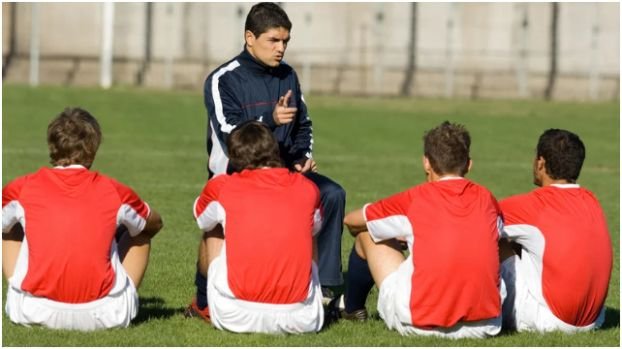
One of the first things I realized as a coach was the importance of building solid fundamentals. Without mastering the basics, no player can go on to become a well-rounded athlete and achieve their football goals. That’s why technical skill development is at the heart of my training sessions.
When I work with my players, I focus on drills that teach core skills, such as ball control, passing, and dribbling. It’s not just about running through cones or passing the ball back and forth—it’s about creating real-life scenarios where players can practice under pressure. For example, I use 1v1 drills for dribbling to help players improve their speed, agility, and ability to shield the ball from defenders.
Ball Control: Mastering the First Touch
I can’t stress enough how important ball control is. We do drills like juggling and receiving the ball with different parts of our bodies. The key is teaching players how to receive the ball under pressure, so they’re always ready for what comes next. If you can’t control the ball, the rest of the game becomes a challenge.
Passing: Accuracy and Pressure
Passing is another skill that needs attention. We work on both short and long passes, making sure players learn how to use both feet and how to pass under pressure. This simulates real-game situations where the pressure is on, and there’s no room for mistakes. Players start developing an instinct for reading the game and making quick decisions, which brings me to the next technique…
What Tactical Skills Should Players Develop?
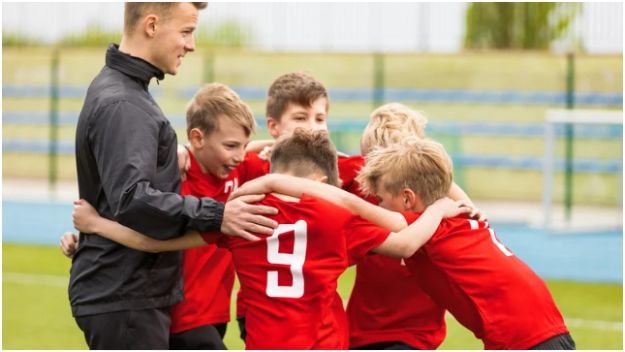
If technical skills are the foundation, tactical awareness is the framework. I’ve learned that focusing on game situations helps players understand where they should be at any given moment, and how their actions affect the whole team.
I like to use small-sided games (SSGs) because they help players develop their decision-making and problem-solving skills. In these drills, they’re not just going through the motions—they’re actively engaged in real-time situations, figuring out how to attack or defend based on what’s happening on the field.
Quick Transitions: Changing the Game Instantly
One of my favorite tactics is teaching players how to react quickly after winning possession. We have a rule: “Move the ball in six seconds!” Once a player wins the ball, they need to launch a counter-attack before the defense has time to recover. It’s a fast-paced drill, and players quickly learn how to exploit that precious window of opportunity after gaining possession.
High Pressing: Getting in the Opponent’s Face
I’ve found that teaching players how to press high up the field—right near the opponent’s goal—creates constant pressure. This forces errors and gives players the confidence to recover the ball quickly. It’s intense, and it requires a lot of fitness, but the results are amazing when players get it right.
How Can I Build Mental Toughness in My Players?
Football is as much a mental game as it is a physical one. I’ve seen talented players freeze under pressure, so building mental toughness has become a huge part of my Youth football coaching philosophy.
The 5Cs—Commitment, Communication, Concentration, Control, and Confidence—are the pillars I focus on. I want players to be mentally strong, so they can handle adversity on the pitch and keep their heads in the game.
Commitment and Confidence: Turning Self-Doubt into Action
In practice, I encourage players to push through their doubts. If they miss a shot, I remind them: “Failing is part of the process.” Building confidence in my players has been key to developing a team that’s willing to take risks and never give up.
Communication: Keeping the Team on the Same Page
Football is a team sport, and without communication, things fall apart. I work with my players on calling out plays, providing feedback, and being vocal on the field. The more they talk, the more they understand each other’s movements and anticipate what comes next.
Best Football Coaching Techniques in Action: How to Run a Session
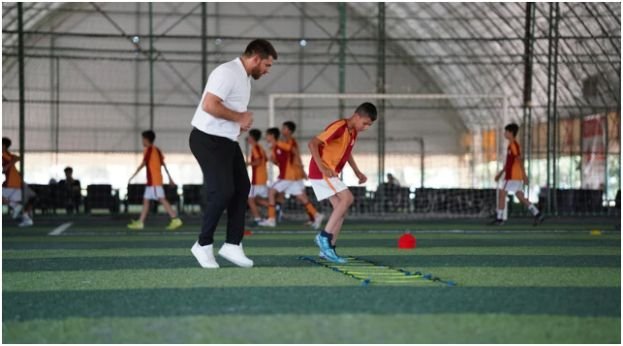
If you want to know how to implement all these techniques, it’s about creating a balanced training session. Here’s how I structure my sessions to ensure players improve across all aspects of the game:
Step 1: Warm-Up with Purpose
I always start with a dynamic warm-up to get players moving. I make sure it’s not just about stretching—they’re working on agility and ball control from the very beginning.
Step 2: Core Skills Drills
I usually set up a few stations that focus on different skills: ball control, dribbling, passing, and shooting. Players rotate through the stations, which keeps them engaged and ensures each skill is worked on.
Step 3: Tactical Drills
Once the technical part is done, we move to tactical drills like small-sided games and transition drills. This helps them apply their skills in a game-like environment. I like to pause the game and give feedback when I see an opportunity for improvement.
Step 4: Mental Toughness Practice
At the end of each session, we do a mental toughness exercise. This could be a one-on-one situation where players have to show resilience or a drill focused on confidence-building.
Step 5: Cool Down and Reflection
We finish with a cool-down and a quick team discussion. I ask the players what they learned, what they can improve, and what they feel good about. This reflection is key to their development.
FAQs About Football Coaching
1. How Do I Keep My Players Motivated?
Keeping players motivated is all about creating an environment where they feel they’re improving and having fun. I use positive reinforcement, praise their efforts, and set individual goals to keep them driven. It’s also about making training enjoyable and rewarding, so they look forward to coming back.
2. What Should I Focus on During the First Season?
In the first season, focus on building foundational skills and a good understanding of teamwork. Players need to be comfortable with the basics—passing, dribbling, shooting—and learn to communicate effectively on the pitch. I also spend time teaching them how to read the game and make quick decisions.
3. How Can I Improve My Own Coaching Skills?
To be a better coach, you need to keep learning. Attend coaching clinics, read about different techniques, and watch professional coaches in action. I find it really helpful to engage with other coaches, exchange ideas, and even get feedback from players about what works for them.
The Final Whistle: What’s My Secret to Coaching Success?
The best football coaching techniques come from embracing a holistic approach: building technical skills, fostering tactical awareness, and cultivating a strong team mentality. But the real secret? Relationships.
I’ve learned that the best players aren’t necessarily the ones with the most skill—they’re the ones who trust their coach, believe in themselves, and push each other to be better. So, my final tip to you is this: build trust, be patient, and never stop learning. The best is yet to come!