When I first started playing football, I had no idea how much training would shape my skills. I used to think all I needed was some basic practice and a good pair of cleats. But as I progressed, I realized football training is so much more—it’s the key to becoming a well-rounded player.
Whether you’re looking to improve your speed, ball control, or overall fitness, the right training can make all the difference. Today, I’m going to break down exactly what football training entails and how you can use it to elevate your game.
Football training isn’t just about running drills on the field; it’s a combination of physical conditioning, technical skills development, and mental preparation. From strength and agility exercises to passing and shooting drills, every part of your training matters. So, let’s dive in and explore how you can optimize your football training routine to become the best player you can be.
Why Is Football Training Important?
Effective football training is a blend of both physical conditioning and technical skills. It’s about building power, stamina, and agility, while also improving your ball control, passing, and shooting accuracy. A strong training plan should focus on aerobic and anaerobic exercises, strength building, and developing position-specific skills that you need to perform at your best during matches.
When I started focusing on the balance of conditioning and technical skills, I noticed significant improvements in my performance. Football training isn’t just about running endlessly—it’s about working smart, practicing the right drills, and building a regimen that complements your style of play. Whether you’re new to the game or an experienced player, the foundation of a good training plan is crucial.
How Can You Improve Your Football Skills with Training?

Learn how to sharpen your football skills with the tips below:
Step 1: Physical Conditioning—Building Stamina and Power
Football is a physically demanding sport that requires power, speed, and agility. To enhance these areas, you need to incorporate a variety of conditioning exercises into your training. Cardiovascular conditioning helps build stamina for those long sprints across the field, while strength training enhances muscle power and endurance.
A well-rounded regimen should include:
- Aerobic exercises (running, cycling, swimming) for endurance.
- Strength training (weightlifting, bodyweight exercises like push-ups, squats) for muscle power.
- Agility drills (ladder drills, cone drills) to improve quick movements and footwork.
The better your conditioning, the longer you’ll be able to play at your highest level during a match.
Step 2: Agility and Speed—Sharpening Your Quickness
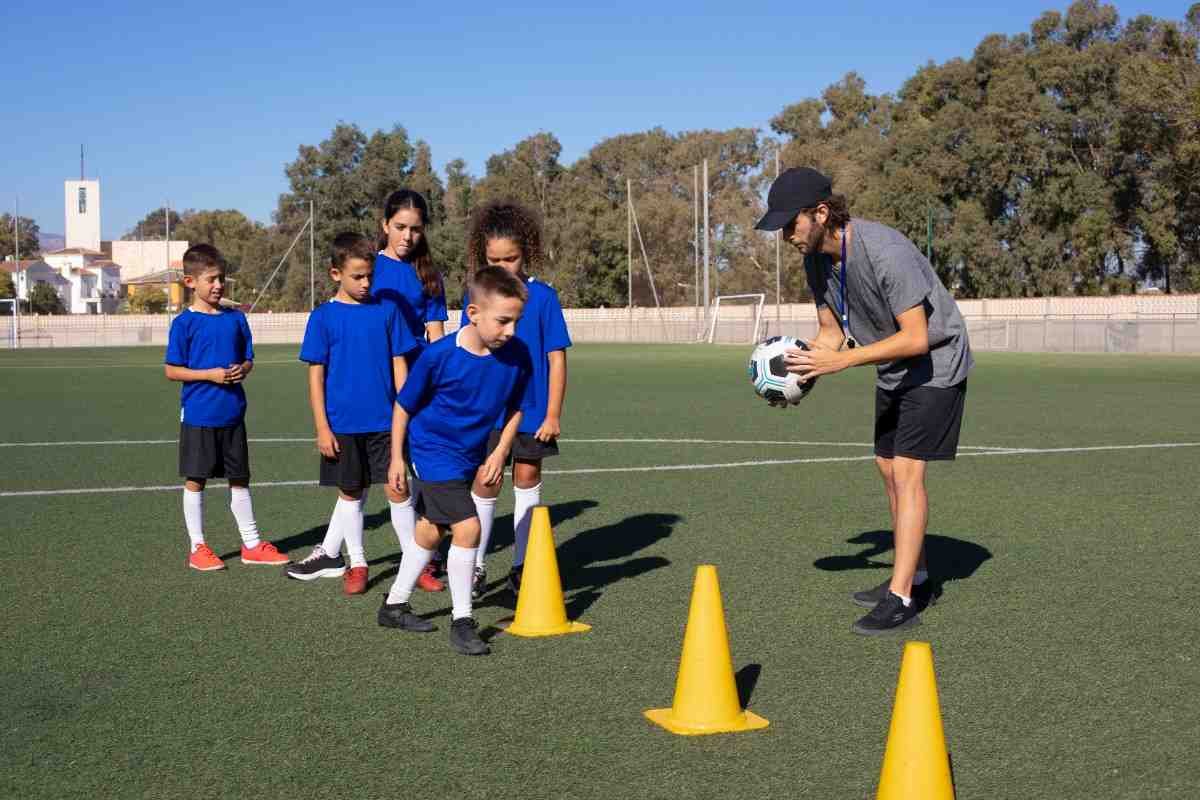
Speed and agility are two critical elements that make a difference in football. You need to be able to sprint quickly, change direction without losing balance, and react to plays fast. To develop these skills, incorporate agility drills into your routine.
Here are some great exercises:
- Shuttle runs: Sprint to cones placed 5 yards apart, pivot, and return. This helps build explosive power and agility.
- Agility ladder drills: These exercises improve footwork and quickness, helping you move more efficiently.
- Hill sprints: Sprinting uphill builds power in your legs and increases stamina.
The key to improving speed and agility is consistency—do these drills regularly to notice substantial gains.
Step 3: Technical Skills—Mastering the Ball
Football is all about ball control. You need to be able to pass accurately, control the ball under pressure, and shoot with precision. Improving these technical skills should be a priority in your football training. Fortunately, many of these drills can be done solo, making it easy to practice even when you don’t have a team session.
Here are some effective drills:
- Dribbling: Practice dribbling through cones or obstacles using both the inside and outside of your feet. This enhances your control and footwork.
- Passing: Use a wall to practice one-touch and two-touch passes. Vary the intensity and distance for a challenge.
- Ball control (juggling): Juggling builds confidence and improves your touch. Start with basic juggles and work up to complex sequences.
- Shooting: Use tape on a wall to create targets. Practice shooting with both feet, focusing on power and accuracy.
The more time you dedicate to mastering ball control, the more confident you’ll be during matches.
How to Structure Your Football Training Plan
A good football training plan includes various components: conditioning, agility, strength, and technical drills. Here’s how you can structure your training sessions:

- Warm-Up and Stretching (10-15 minutes): Start with a light jog or dynamic stretching to prepare your muscles. Warming up is essential to avoid sports injuries.
- Ball Control and Passing Drills (20-30 minutes): Focus on improving your first touch, passing, and dribbling. Work on these drills with both feet for well-rounded skill development.
- Speed and Agility Drills (20-30 minutes): Incorporate shuttle runs, ladder drills, and hill sprints to improve your acceleration and change of direction.
- Strength and Conditioning (20-30 minutes): Strength training is vital for building muscle power. Include exercises like squats, lunges, and planks to target all major muscle groups.
- Cool Down and Recovery (10-15 minutes): Finish your session with static stretches to promote flexibility and help your muscles recover.
Frequently Asked Questions
1. How long should I train for football each day?
The amount of time you spend training depends on your fitness level and goals. Beginners can start with 30-45 minutes of focused practice 3-4 times a week. As you progress, you can gradually increase the intensity and duration of your sessions.
2. What are the best exercises for football training?
Some of the best exercises for football training include agility drills, endurance running, strength training (squats, lunges), and ball control drills. These exercises target key areas such as speed, stamina, and technical skills.
3. Can football training improve my fitness even if I don’t play competitively?
Absolutely! Even if you’re not playing competitively, football training is a fantastic way to improve your overall fitness. The combination of cardio, strength, and agility exercises will help you get in shape while learning new skills.
4. How can I train by myself when I don’t have a team to practice with?
You can practice many aspects of football solo, such as dribbling, passing against a wall, juggling the ball, and agility drills. You don’t need a team to improve your technical skills—just consistent practice.
Time to Take Your Training to the Next Level!
Football training is more than just a way to improve your skills—it’s a mindset. By focusing on your physical conditioning, mastering your technical abilities, and practicing consistently, you can become the best version of yourself on the field.
So, get out there, train hard, and have fun while doing it. Remember, every session is a chance to get better. Whether you’re a casual player or aspiring pro, football training will take your game to new heights. Good luck, and enjoy the journey!