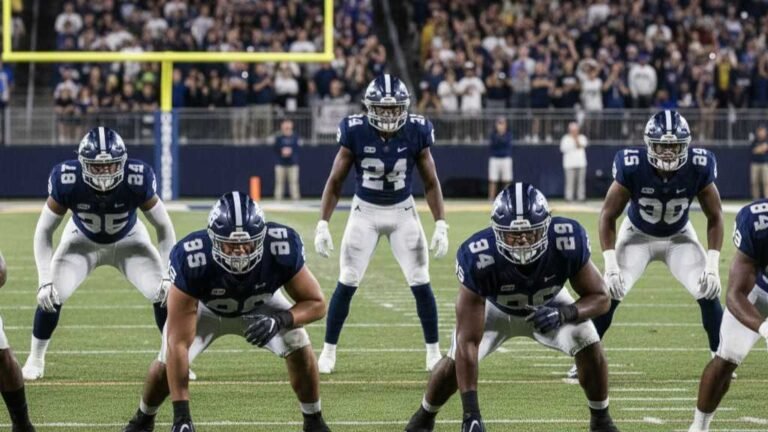
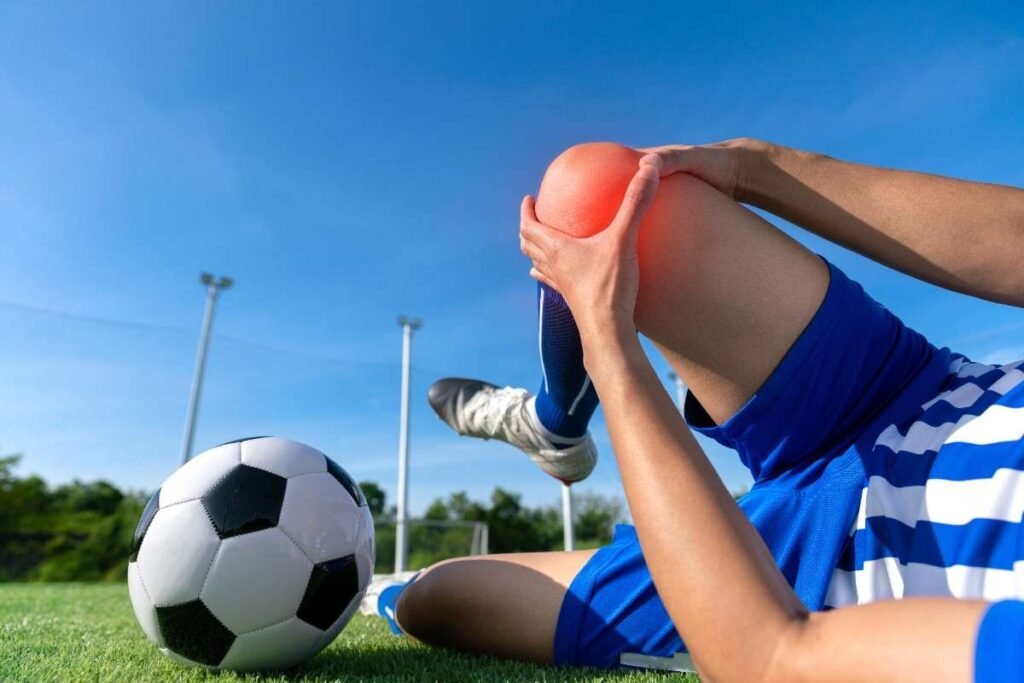
Football is one of the most physically demanding and high-impact sports, and with that comes the risk of injuries. Whether you’re a weekend warrior or a seasoned pro, football injuries are an unfortunate part of the game.
From muscle strains and ankle sprains to more severe injuries like concussions and knee ligament tears, these injuries can vary in severity and may require professional medical attention. In this blog, we will explore the common types of football injuries, how to treat them, and the best ways to prevent them to keep you in top form on the field.
Common Types of Football Injuries
Football injuries can be categorized by the type of tissue affected or the specific body part involved. While some injuries can be minor, others can lead to long-term consequences if not treated properly. Here are the most common injuries players face on the field.
Sprains and Strains
Sprains and strains are the most frequent types of football injuries, accounting for about 40% of all cases. These injuries occur when the muscles or ligaments are stretched or torn. Common areas affected include the hamstring muscle injury, quadriceps, groin, ankle, and knee. Muscle strains usually happen due to sudden movements like sprinting or changing direction, while sprains typically occur when joints are twisted or forced into unnatural positions.
Concussions
Concussions are a serious and common injury in football, especially with the physical nature of the sport. They occur when a player’s head is hit or jolted, causing the brain to move inside the skull. Concussions can have long-term effects, especially if not managed properly.
Symptoms of a concussion include dizziness, confusion, nausea, headaches, and memory loss. It’s critical to follow proper protocols to allow for full recovery and avoid repeat concussions, which can lead to severe complications.
Knee Injuries
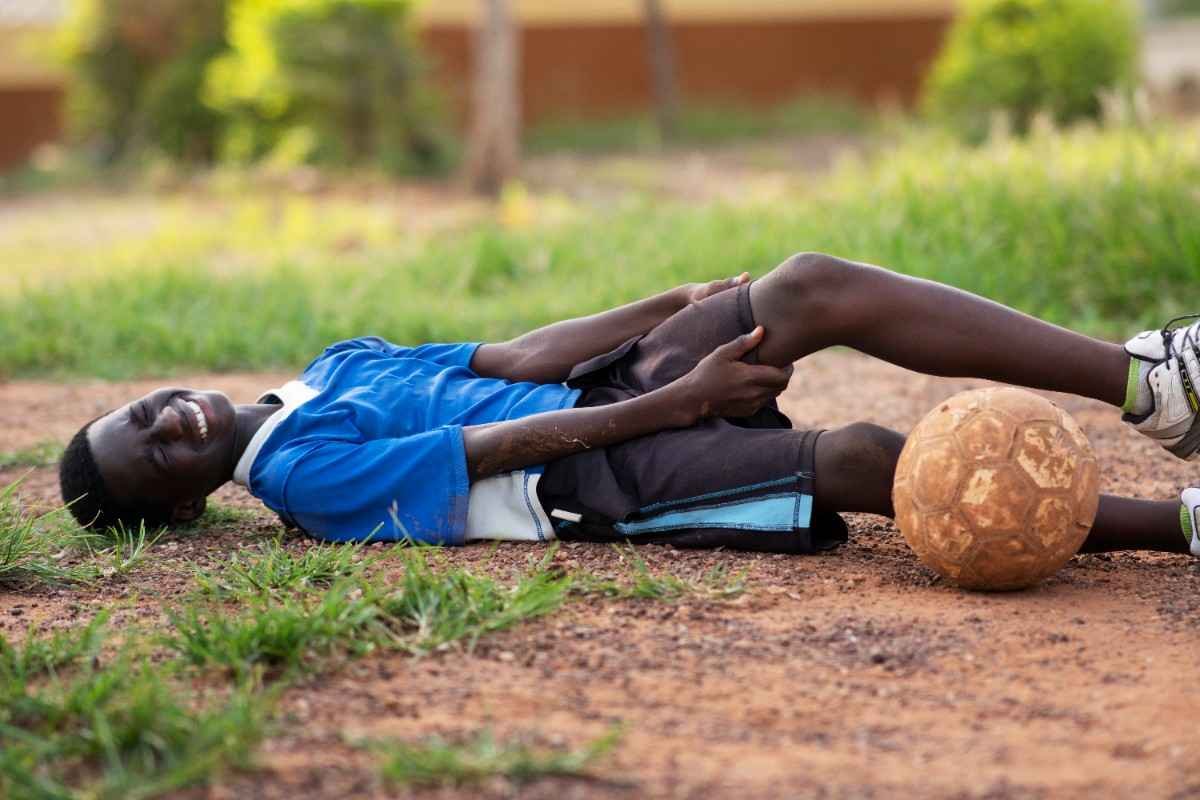
Knee injuries, particularly to the ligaments like the ACL (anterior cruciate ligament) and MCL (medial collateral ligament), are very common in football. These injuries often result from sudden stops, twists, or tackles that place excessive strain on the knee joint. Meniscus tears are also frequent in football and occur when the cartilage in the knee is damaged during quick movements or hard falls. Knee injuries often require surgery and months of rehabilitation to return to full functionality.
Fractures and Dislocations
Fractures and dislocations are common when players suffer direct hits or hard falls. Broken bones, especially in the legs, arms, ribs, and collarbones, are frequent injuries in football. Dislocations of joints, particularly in the shoulder, can also occur from heavy impacts. These injuries often require immediate medical intervention, and depending on the severity, may involve casting, physical therapy, or in some cases, surgery.
Overuse Injuries
Overuse injuries result from repetitive stress on a specific body part over time. In football, conditions like tendinitis (such as jumper’s knee or Achilles tendinitis) and shin splints are common due to constant training and conditioning. These injuries develop gradually and can cause long-term issues if not addressed. Proper rest and recovery are crucial to prevent overuse injuries from hindering performance.
Treatment and Prevention of Football Injuries
Whether you’ve suffered a minor injury or a more serious one, understanding the treatment and prevention methods can help you recover and reduce the risk of future injuries. Here’s how to take care of your body and ensure you’re ready to get back in the game.
Immediate Treatment: The R.I.C.E. Method
For minor injuries, such as sprains or strains, the R.I.C.E. method is the first line of defense. R.I.C.E. stands for:
- Rest: Allow your body to heal by avoiding further strain on the injured area.
- Ice: Apply ice to reduce swelling and inflammation, especially within the first 48 hours of the injury.
- Compression: Use an elastic bandage to help control swelling and support the injured area.
- Elevation: Elevating the injured body part above the heart helps reduce swelling and aids in fluid drainage.
For more serious injuries, such as fractures, dislocations, or concussions, immediate medical attention is necessary. Follow your doctor’s advice for treatment and recovery, which may include physical therapy or surgical intervention.
Long-Term Treatment: Physical Therapy and Rehab
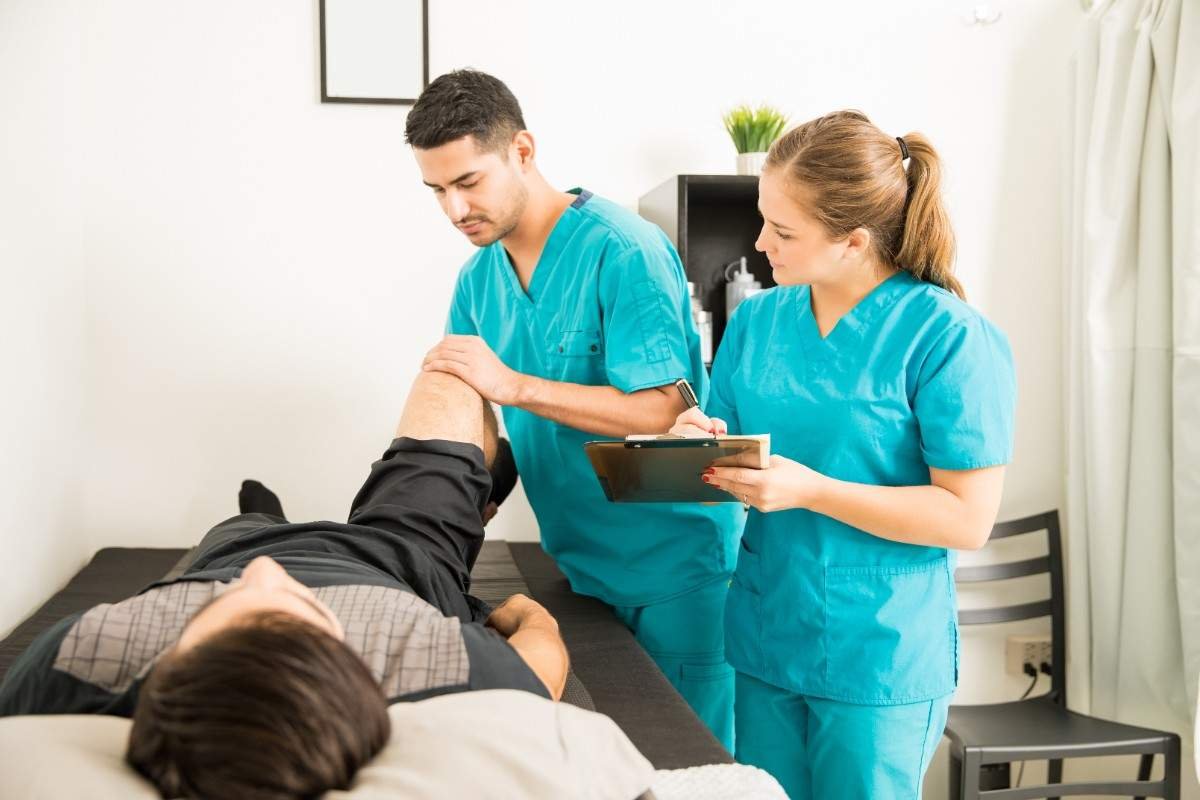
More serious injuries, such as torn ligaments or fractures, often require physical therapy as part of the recovery process. Physical therapy helps restore mobility, strength, and flexibility to the injured area.
A physical therapist will guide you through joint mobility exercises and rehabilitation routines that will gradually get you back to your full potential. Don’t rush the recovery process, patience and consistency are key to a successful recovery.
Prevention Strategies: How to Stay Injury-Free
Prevention is the best medicine when it comes to football injuries. By focusing on conditioning, technique, and proper equipment, you can significantly reduce the risk of injury and stay on the field longer.
Proper Conditioning
Maintaining year-round fitness is essential for football players of all levels. Focus on strengthening the core and lower body muscles, as these areas are crucial for balance and power on the field. Exercises that target your hamstrings, quads, calves, and abdominal muscles can help improve your performance while preventing strains and sprains.
Correct Technique
Coaches should emphasize the importance of proper technique, especially when it comes to tackling and blocking. One of the most common causes of injury in football is improper tackling, particularly when players lead with their helmets. Teaching players to use their shoulders and keep their heads up during tackles can prevent head and neck injuries, including concussions.
Appropriate Equipment
Wearing the right gear is non-negotiable when it comes to football injuries. Helmets, pads, and mouthguards protect players from serious injuries like concussions, broken bones, and dental issues. Ensure that all protective equipment fits properly and is in good condition. A helmet that fits snugly can reduce the risk of concussions, while well-fitted shoulder pads can protect against fractures and bruising.
Warm-Up and Cool-Down
Before every game or practice session, it’s essential to warm up your muscles. Dynamic stretches, such as leg swings and arm circles, can help prepare your body for the physical demands of football. Afterward, a cool-down with static stretches will help reduce muscle tightness and improve flexibility. Taking the time to stretch before and after play is an easy but effective way to prevent injuries.
Listen to Your Body
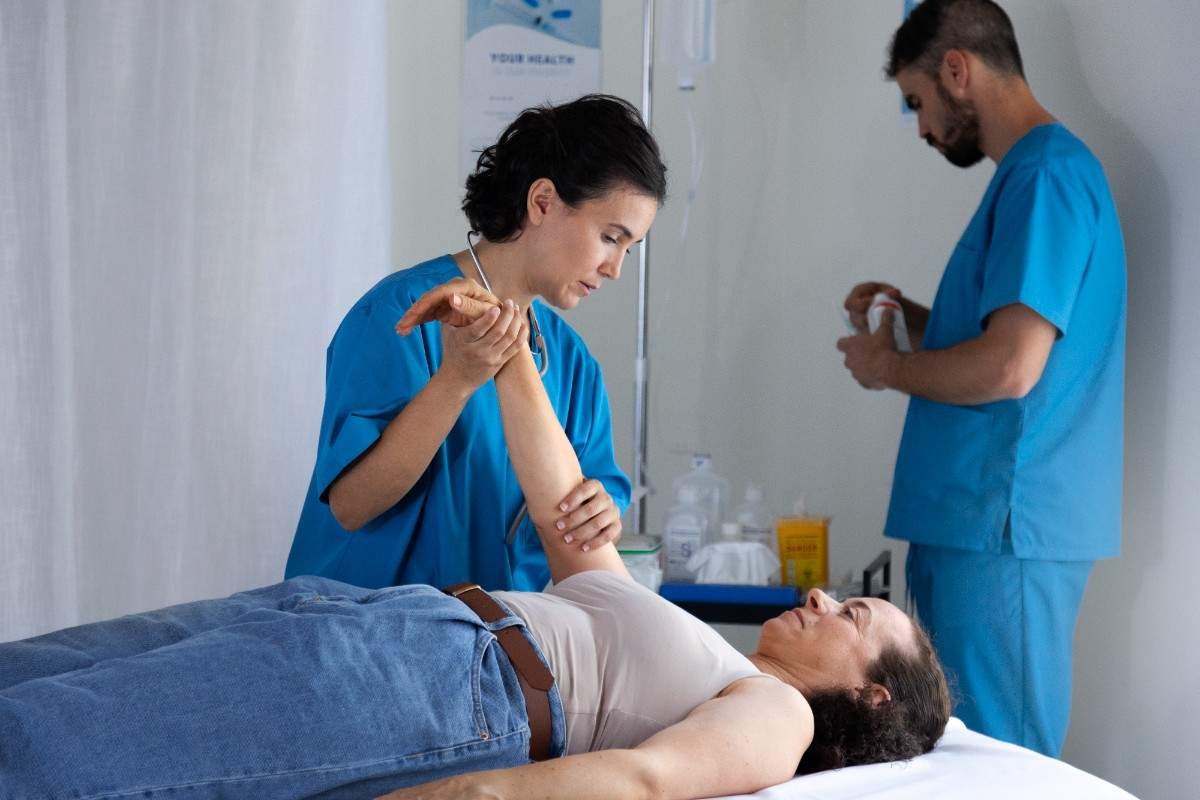
One of the most important things to remember is to listen to your body. If you’re feeling pain or discomfort, don’t push through it. Playing through pain can lead to more severe injuries down the road. If you experience persistent soreness or sharp pain, seek medical attention immediately. Remember, taking a few days off to rest is better than risking long-term damage.
Frequently Asked Questions (FAQ)
Q1: How long does it take to recover from a sprained ankle in football?
Recovery time for a sprained ankle depends on the severity of the injury. For a mild sprain, you might be back in action in 1–2 weeks with rest and physical therapy. However, a more severe sprain could take 4–6 weeks for full recovery. It’s important to follow the R.I.C.E. method and gradually return to physical activity to avoid re-injury.
Q2: Are knee injuries common in football?
Yes, knee injuries, especially ACL and MCL tears, are some of the most common injuries in football. These injuries occur due to the high-impact nature of the sport and the quick direction changes required during gameplay. Proper conditioning, strength training, and technique can help reduce the risk of knee injuries.
Q3: Can I prevent concussions while playing football?
While it’s impossible to completely eliminate the risk of concussions in football, proper helmet fitting, safe tackling techniques, and adhering to league safety rules can help minimize the risk. It’s also important to follow concussion protocols and never return to play after a concussion without clearance from a medical professional.
Q4: What should I do if I think I’ve torn a ligament in my knee?
If you suspect a ligament tear in your knee, it’s important to stop playing immediately and seek medical attention. An MRI can confirm the extent of the injury. In some cases, surgery may be required to repair the ligament, followed by physical therapy for rehabilitation.
Stay Safe, Stay Strong!
Football injuries are an unfortunate part of the sport, but with the right knowledge and preparation, you can reduce your risk and recover quickly. Remember to warm up properly, wear the right gear, do football skill development exercises, and always listen to your body.
Whether you’re recovering from an injury or looking to prevent one, these tips will help you stay at the top of your game. Keep playing, keep training, and most importantly, stay safe on the field!