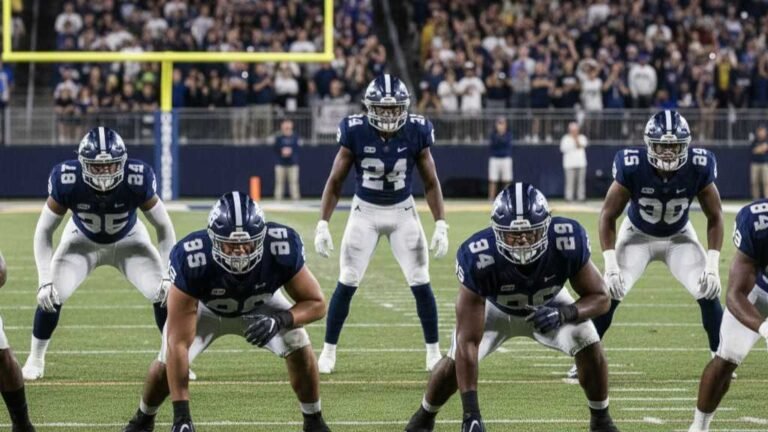

Football has always been more than just a game to me. Growing up, I can vividly remember the first time I kicked a ball around with my friends. It was exhilarating, but it wasn’t the organized, polished sport we know today.
The evolution of football is nothing short of remarkable—it’s a journey from chaotic ancient games to the slick, global phenomenon that dominates the world stage. I want to share how the game has transformed over the years and the ways these changes have shaped football as we know it.
How Did Football Start? Was it Always This Organized?

You probably think of football as a perfectly organized, strategic sport with strict rules, but that wasn’t always the case. Football’s early days were wild, with no standard rules or structure. The first forms of the game were more like chaotic battles rather than structured play.
Ancient cultures, including the Chinese with Cuju, Greeks with episkyros, and Romans with harpastum, all had their own versions of a ball game that involved kicking or throwing a ball.
Cuju from ancient China, for instance, involved kicking a leather ball through a small opening, and even though it had elements of football, it was far from the game we recognize today.
In medieval Europe, folk football was more of a free-for-all, often played between neighboring villages, and the matches could involve hundreds of players and stretch across miles of open land. Sounds a bit like a rugby match on steroids, right? These games were rough, violent, and unregulated, leading to occasional bans due to their disruptive nature.
When Did Football Begin to Take Shape?

As much as I love the chaos of old-school football, I think we can all agree that a little organization goes a long way. By the mid-1800s, England began to standardize the game. This is when football truly began its transformation into the sport we know today. It all kicked off (pun intended) in 1863 with the formation of The Football Association (FA).
With the FA came the very first official set of rules. These early rules helped separate football from rugby and ensured that there were no more shins being hacked (well, at least in the same way). One of the most important changes was the creation of the offside rule.
Over the years, this rule has evolved, with key changes made in 1866, 1925, and 1990 to make the game faster and more exciting. Imagine the game without the offside rule—it would be chaos!
Goalkeeper handling rules came into play in 1912, limiting where goalkeepers could touch the ball, and the introduction of the back-pass rule in 1992 completely changed the game. Goalkeepers could no longer handle intentional passes from teammates, which pushed them to develop better footwork skills. This rule definitely made the game smoother and faster.
How Have Tactics Changed the Game?
Now, we’ve covered the rules, but what about how football is played? From chaotic, all-out attack to modern strategic masterpieces, football has evolved tactically, too. The early days of football saw formations like the 2-3-5 pyramid system, where the emphasis was on pure attacking play. It was all about the thrill of scoring goals, but it often resulted in disorganized matches with little structure.
Then came Herbert Chapman’s revolutionary WM formation in the 1920s, which balanced defense and attack in response to an offside rule change. This was the start of football becoming a game of strategy, not just raw energy.
By the 1960s, Italy introduced Catenaccio, a defensive system that focused on organization, counter-attacks, and the use of a libero (sweeper), who acted as a last line of defense. This method made football less chaotic and more strategic.
But let’s not forget Total Football in the 1970s, introduced by Rinus Michels and his Ajax team. Total Football was about positional interchangeability, quick pressing, and fluid movement, focusing on technical skill and spatial awareness.
It was like watching a beautifully choreographed dance—every player on the field knew exactly when to attack, when to defend, and when to switch roles. If you ask me, this is where football truly began to blend artistry with athleticism.
How Is Technology Shaping Modern Football?

I remember watching football matches as a kid, and it wasn’t unusual to see controversial goals or missed offside calls. The evolution of technology in football has brought us a long way from those “what if” moments.
The introduction of goal-line technology in 2012 was a game-changer. No more debates over whether the ball crossed the line or not! This technology has made the game more accurate and fair. Then came VAR (Video Assistant Referee) in 2018, helping referees make better decisions on the pitch by reviewing key moments during the game.
It’s not just about officiating, though. Advances in performance analysis have transformed how teams prepare. I’ve read that players now use GPS trackers and data analytics to track their movements, monitor fatigue, and optimize performance. Coaches are now more informed than ever, using video analysis to analyze everything from player positioning to passing patterns.
How Can You Start Embracing Football’s Evolution Today?
If you’re a fan like me, staying up-to-date with football evolution can be incredibly exciting. But how can you incorporate some of these changes and tips from iconic football matches into your own football experience? Whether you play, coach, or simply enjoy watching, understanding the game’s growth can deepen your appreciation for the sport.
How to Embrace Modern Football Tactics in Your Own Game
If you’re a player or coach, why not adopt some modern tactics? Here’s how to get started:
- Work on Positional Play: Focus on understanding not just where to be, but when to be there. Study how players like Messi or De Bruyne position themselves both with and without the ball.
- Emphasize High Pressing: Watch how teams like Liverpool use gegenpressing to win the ball back as soon as they lose it. It’s all about intensity and pressure.
- Invest in Analytics: As a coach, use the technology available to track your team’s performance. GPS trackers, video analysis tools, and data collection can help optimize your strategies and improve individual players.
Your Burning Questions Answered: Football’s Evolution
Q1: Why has the offside rule changed over the years?
A: The offside rule has been adjusted to keep the game more exciting by allowing for more attacking play. Early on, it was stricter to prevent overcrowding in front of the goal, but as football evolved, they relaxed it to encourage goal-scoring opportunities.
Q2: How has the role of the goalkeeper evolved?
A: Goalkeepers used to be the last line of defense, but with changes like the back-pass rule in 1992, their role has expanded. They now need exceptional footwork and passing skills, not just shot-stopping abilities. They play a much bigger role in building up attacks from the back.
Q3: What’s the future of football tactics?
A: As teams continue to analyze more data, I believe we’ll see even more sophisticated, hybrid tactics combining high pressing, possession, and counter-attacks. It’ll be fascinating to watch how managers adapt to these trends and continue to innovate the sport.
The Final Whistle: What’s Next for Football?
As much as football has evolved, it’s clear that the game will continue to transform. From the ancient chaos to the modern game, we’ve only scratched the surface.
What’s exciting is that the sport’s evolution is ongoing—whether it’s through the introduction of new tactics, more technology, or fresh innovations in equipment. One thing’s for sure: football will never stop growing, and neither will our love for it. Keep kicking, and who knows what the next big change will be!
Tip: Want to get a feel for football’s evolution? Try watching old games from the 1960s and compare them with today’s matches. The difference in speed, tactics, and skills will leave you in awe!