Have you ever watched a football game and wondered what exactly the football defense positions are doing to stop the offense? I’ve had that moment more than once, especially when I first got into the game. You know, those times when the defense seems to be everywhere—yet you can’t quite figure out who is doing what.
Well, let me tell you, the world of football defense positions is a lot more intricate than it seems! Each position plays a critical role in disrupting the offensive game plan. In this blog, I’ll take you through the key defensive positions on the field and help you understand how they all work together to stop the opposing team from scoring. Whether you’re a beginner or a seasoned fan, you’ll learn exactly what each position does and why it’s so important.
What Are the Different Football Defense Positions?
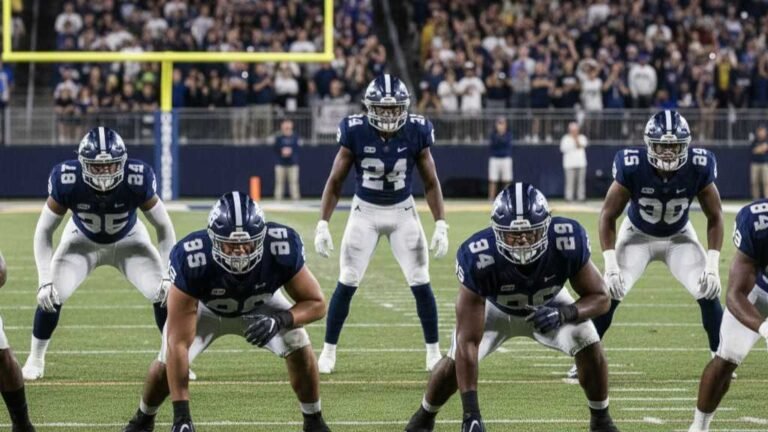
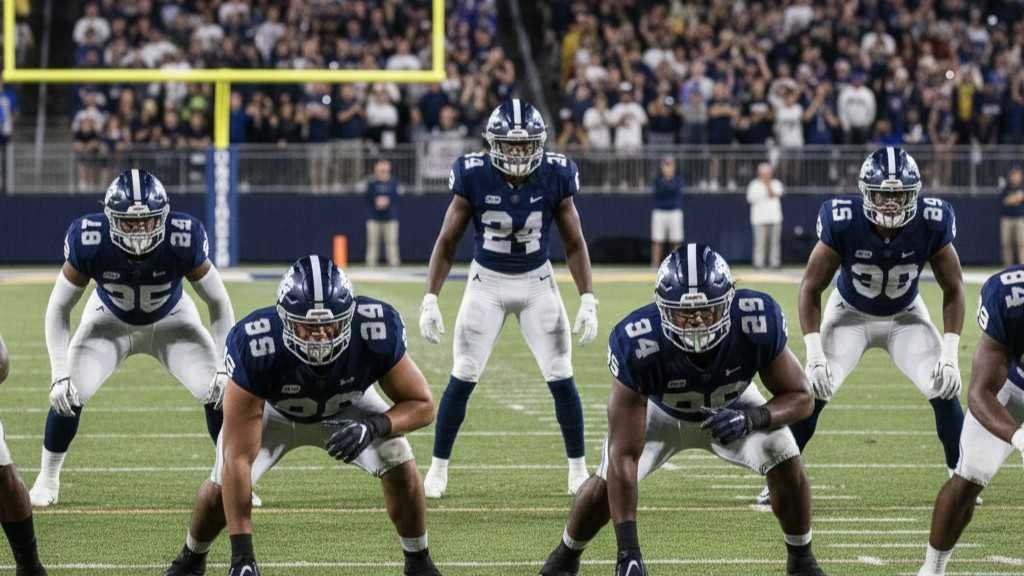
In American football, defensive positions are grouped into three main categories: the defensive line, linebackers, and defensive backs (secondary). Each of these categories serves a unique function and is designed to stop the opposing team’s offense in different ways. The defensive line is responsible for pressuring the quarterback and stopping the run right at the line of scrimmage.
Linebackers, positioned just behind the line, are versatile and take on multiple tasks, such as blitzing, covering receivers, or stopping runs. Lastly, the secondary, which includes cornerbacks and safeties, focuses on defending the pass and covering the deep part of the field.
What Does the Defensive Line Do?
The defensive line plays right at the line of scrimmage and is one of the most crucial groups in stopping both the run and the pass. Players in this group include defensive tackles (DT), defensive ends (DE), and nose tackles (NT), each with specific roles designed to disrupt the offense.
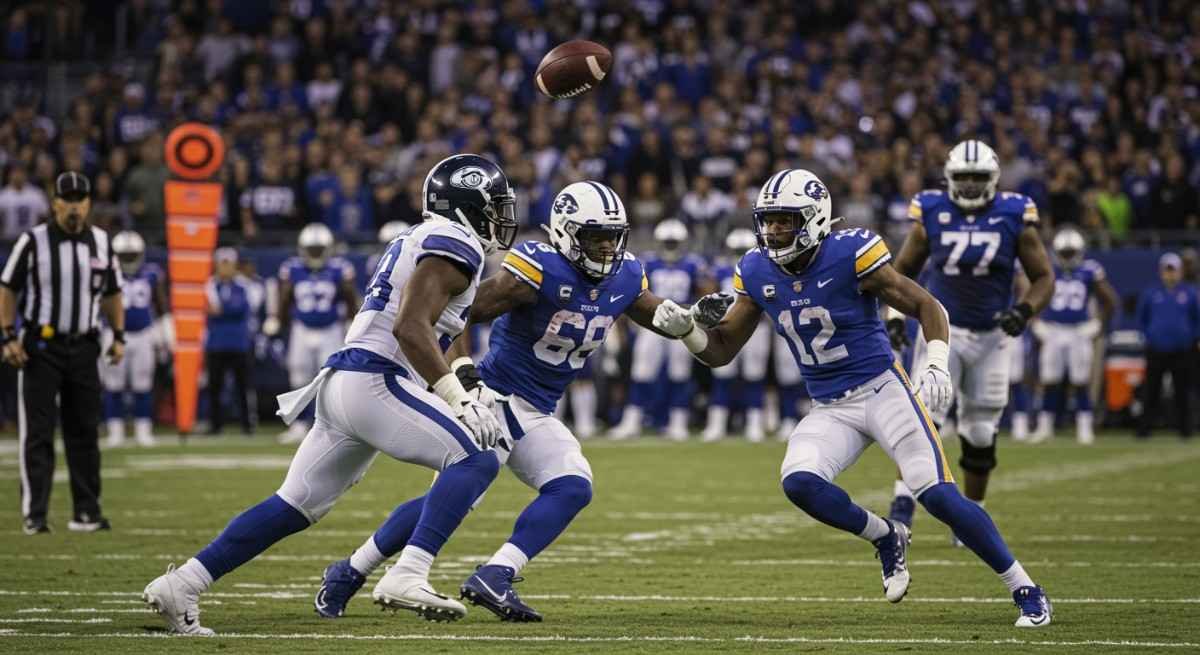
Defensive Tackle (DT): Positioned in the center of the defensive line, defensive tackles are responsible for stopping running plays that come through the middle. They also apply pressure on the quarterback up the middle, forcing hurried throws or sacks. DTs must be quick and strong, often facing double-teams from the offensive line.
Nose Tackle (NT): Typically used in a 3-4 defense, the nose tackle lines up directly in front of the center. Their main job is to occupy multiple blockers and clog up the middle, making it difficult for the offense to run through that area. The NT is a key player in stopping interior runs.
Defensive End (DE): Positioned on the outer edges of the defensive line, defensive ends are tasked with stopping runs to the outside and rushing the quarterback from the edge. They must be fast enough to chase down the quarterback but also strong enough to hold the line against powerful offensive tackles.
How Do Linebackers Contribute to the Defense?
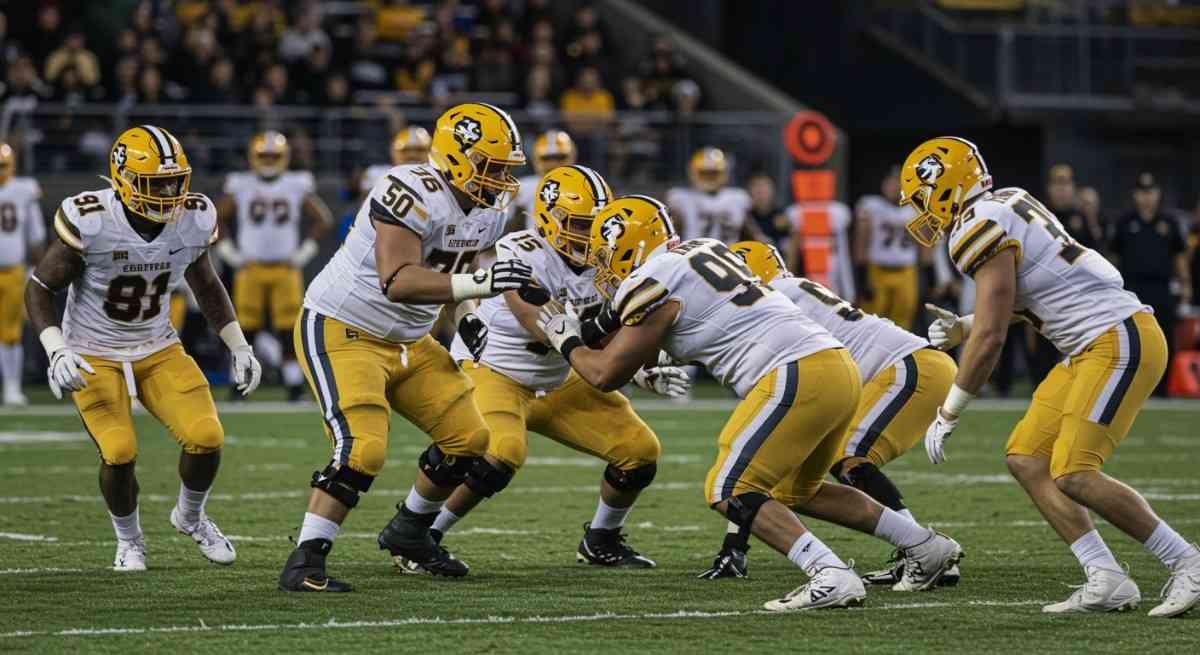
Linebackers are positioned behind the defensive line and are some of the most versatile players on the field. Their responsibilities include stopping the run, covering pass routes, and rushing the quarterback. Linebackers are essential in a defense because they can adapt based on the situation and formation of the offense.
Middle Linebacker (MLB or “Mike”): Often called the “quarterback of the defense,” the middle linebacker is the leader of the defense. Positioned in the center of the field, they call out plays, direct traffic, and make adjustments depending on what the offense does. The MLB plays a key role in both run defense and pass coverage.
Outside Linebacker (OLB or “Sam”/“Will”): Outside linebackers are positioned on the edges of the defense and have a variety of roles. They might rush the quarterback, contain outside runs, or drop into pass coverage depending on the play. These linebackers need to be fast, versatile, and good at reading the offense to succeed in their roles.
What Role Do Defensive Backs Play?
The defensive backs, also known as the secondary, are positioned farthest from the line of scrimmage and are tasked with stopping the passing game. These players include cornerbacks (CB), safeties (S), and sometimes nickelbacks or dimebacks in certain formations. The secondary’s main job is to prevent the offense from completing long passes and to tackle receivers once they catch the ball.
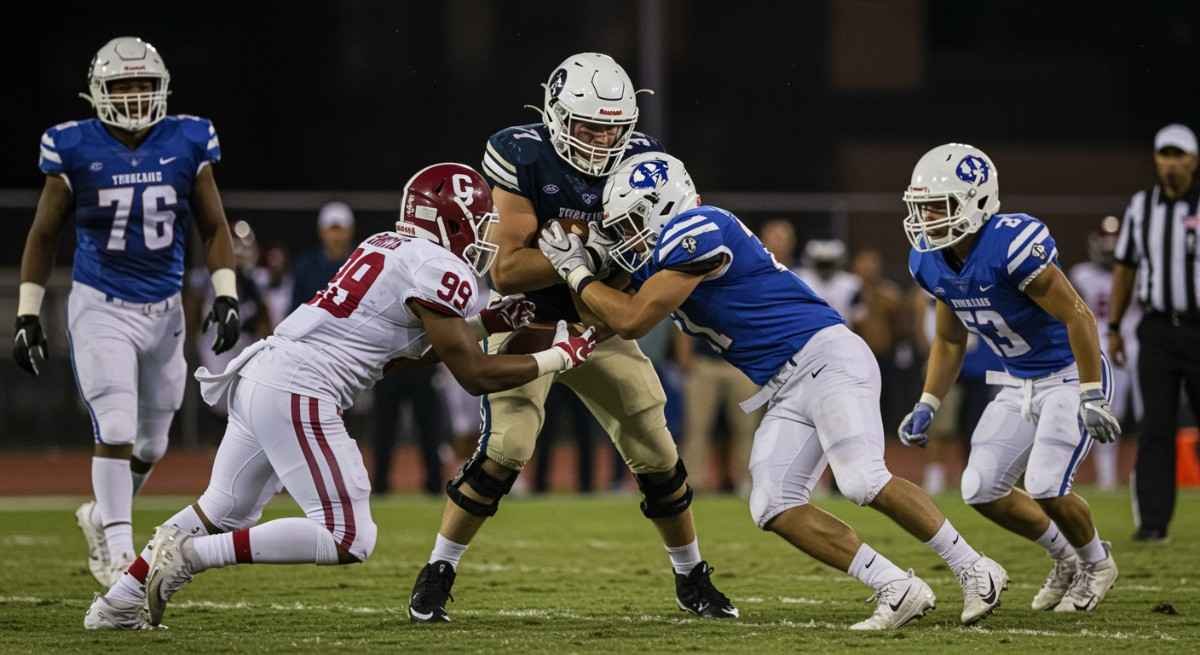
Cornerback (CB): Cornerbacks line up opposite the wide receivers and are tasked with covering them. Their job is to prevent receivers from catching passes and to make tackles after catches are made. CBs need excellent speed, agility, and ball skills to be effective in their roles.
Safety (S): Safeties are the last line of defense. They help with deep pass coverage and provide support against the run. There are two types of safeties:
- Strong Safety (SS): Typically larger and stronger, strong safeties play closer to the line of scrimmage to provide additional support in run defense. They may also cover tight ends and running backs in pass coverage.
- Free Safety (FS): Free safeties are generally faster and are positioned deeper in the secondary. Their primary job is to cover deep passes and prevent big plays down the field. FSs need excellent ball skills and the ability to read the quarterback’s eyes to anticipate passes.
Nickelback / Dimeback: These are extra defensive backs brought in during specific situations, such as when the offense has more receivers on the field. Nickel defense features five defensive backs, while dime defense has six. These players are typically tasked with covering additional wide receivers or tight ends in passing situations.
How to Improve Your Knowledge of Football Defense Positions
Improving your understanding of football defense positions takes time, but here are some tips to get you started:
Step 1: Learn the Basic Positions
Start by memorizing the key defensive positions—defensive line, linebackers, and secondary players. Understand the basic responsibilities of each group, like the defensive line’s role in stopping the run and the secondary’s focus on preventing the pass.
Step 2: Watch Games with a New Perspective
Next time you watch a football game, focus on the defense. Watch how the defensive line puts pressure on the quarterback, how the linebackers adjust to the play, and how the cornerbacks cover wide receivers. Try to identify the different positions and how they interact.
Step 3: Ask Questions
If you’re still unclear about certain roles, ask a coach or a fellow fan. Football experts love to share their knowledge, and you’ll learn a lot by discussing defensive strategies with others.
Frequently Asked Questions
1. What’s the difference between a strong safety and a free safety?
The main difference between a strong safety (SS) and a free safety (FS) is their positioning and responsibilities. Strong safeties play closer to the line of scrimmage and help with the run game, while free safeties typically play deeper and focus on pass coverage. FSs are faster and are often the last line of defense against deep passes.
2. What is the role of a linebacker in a blitz?
When a linebacker blitzes, they rush the quarterback in an attempt to sack him or force a hurried throw. Linebackers are often used in blitz situations because they can quickly close the distance between themselves and the quarterback. Blitzing is a key tactic used to disrupt the offensive rhythm.
3. Why are defensive ends important in stopping the run?
Defensive ends (DEs) play on the edge of the defensive line and are key in stopping outside runs. They contain the running back from breaking to the outside and also apply pressure to the quarterback. DEs must be strong enough to fight off blockers but fast enough to chase down runners on the edge.
Conclusion
Understanding football defense positions helps you appreciate the game and improve your skills. Each role is vital to stopping the offense. Knowing these positions gives players, coaches, and fans a fresh perspective. They also help you during your football training. Next time you watch, you’ll understand their importance. Happy watching!