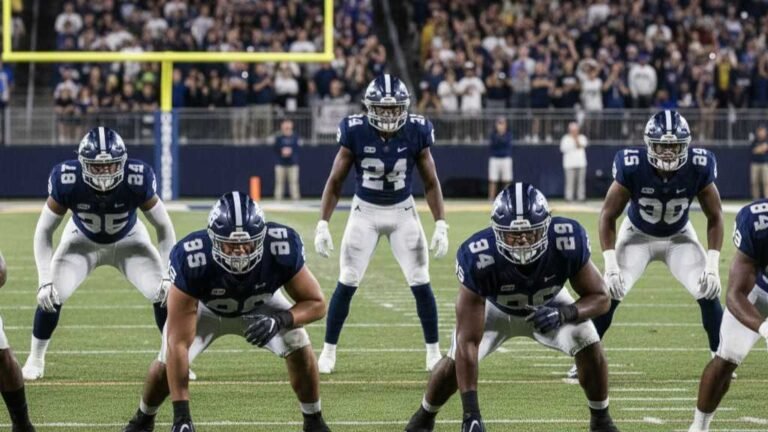

Football season is intense. Whether you’re a lineman or a wide receiver, the demands of the game require you to be fast, strong, and agile, all at the same time. I remember my first few seasons feeling completely out of breath after a couple of plays, and thinking, “How do I keep up?” The answer was simple – football conditioning workouts.
But here’s the catch: not all conditioning routines are created equal. If you’re doing long-distance running or skipping recovery, you might be doing more harm than good. Through trial and error, I’ve learned the right balance of drills, recovery, and strength training that turned my performance around. Let me share what worked for me.
Why Are Football Conditioning Workouts So Important?

Before I get into the specifics of the workouts, let’s talk about why conditioning is key. Football isn’t about running marathons; it’s about explosive, high-intensity bursts. Your conditioning should reflect that – short, powerful efforts followed by quick recoveries. So, if you’re not targeting both your aerobic and anaerobic systems, you’re missing out.
Here’s the thing: the game involves a lot of quick sprints, direction changes, and short rest periods. Football conditioning workouts should mimic these game conditions. The better your conditioning, the better your recovery between plays, and the more you’ll be able to perform at your peak.
What Are the Key Components of Football Conditioning Workouts?

From my experience, conditioning for football is all about balance. You need speed, endurance, strength, and agility to perform at your best. But don’t just throw in a random mix of drills and call it a day. Here’s what I’ve found works best:
Field Conditioning Drills
Football is a field sport, and to perform well on it, you need to train specifically for those field situations. Sprinting drills are critical because they mimic the stop-and-go action of a football game.
- HIIT Sprints: I set up markers about 30 yards apart. I sprint as hard as I can for the distance, then walk back to recover. After 10 seconds, I do it again. It sounds simple, but those short bursts really train your body to recover quickly, just like in a game.
- The Gut Buster: This drill gets my heart racing. I set up two cones 40 yards apart. At each cone, I do bodyweight exercises like squat jumps or burpees. Then, I sprint to the other cone and repeat with a different exercise. It’s exhausting but so rewarding!
- Four Corners Drill: This one improves footwork and agility. I set up four cones in a square. Between each cone, I do a different movement – backpedal, shuffle, karaoke, and sprint. These movements simulate the kinds of cuts and pivots we do on the field.
These drills push me to improve my speed, agility, recovery, and coordination while staying in football-specific movements.
Strength and Power Training
When it comes to strength, I don’t just focus on lifting weights for the sake of it. Strength in football means being able to dominate in one-on-one matchups and staying healthy through physical contact.
- Key Lifts: My go-to exercises are squats, deadlifts, and bench presses. These compound lifts build strength in key muscle groups, which helps in blocking, tackling, and running.
- Plyometrics: For explosive power, I mix in box jumps, burpees, and jump squats. These moves get your muscles to react quickly – which is exactly what you need for those short bursts of speed on the field.
- Core Work: I never skip core exercises. Planks, V-sit-ups, and Russian twists have been crucial in improving my stability. A strong core is a must for protecting against injury and maintaining balance when I’m in motion.
How To Build a Football Conditioning Routine
Building a conditioning routine that fits your needs is all about gradually increasing the intensity. You don’t want to burn out in the first few weeks, so here’s how I structure my week:
- Monday – Speed and Agility Drills: Focus on sprints and footwork. HIIT sprints in the morning and four corners drill in the evening.
- Tuesday – Strength Training: Hit the gym for squats, deadlifts, and bench press. Finish with some plyometrics.
- Wednesday – Rest Day: Your body needs to recover. Use this time to stretch, hydrate, and eat well.
- Thursday – Field Conditioning: Sprint ladders, the gut buster, and other high-intensity drills to build speed and endurance.
- Friday – Strength and Power: More core work and resistance training to build explosive power. You can throw in some sled pushes for good measure.
- Saturday – Game Simulation: Combine everything – agility, strength, and speed drills in a session that mimics game situations.
- Sunday – Rest Day: Another recovery day. Remember, rest is just as important as the workouts.
Frequently Asked Questions
1. How Often Should I Do Football Conditioning Workouts?
It depends on your fitness level, but I recommend conditioning 3-4 times a week, with rest days in between. Overdoing it without proper recovery can lead to burnout or injury, so balance is key.
2. Should I Focus More on Cardio or Strength Training?
Both! Football is a combination of power and endurance. While cardio helps with stamina, strength training ensures you can overpower your opponent. Aim for a balanced routine that incorporates both.
3. Can I Do Football Conditioning Workouts at Home?
Yes, many football conditioning drills can be done with minimal equipment. You can perform sprints, bodyweight exercises, and even agility drills in your driveway or local park. The key is consistency and intensity.
4. How Do I Prevent Injuries During Football Conditioning Workouts?
Proper technique is the best way to prevent injuries. Take your time to learn the correct form, especially for complex lifts. And don’t forget to warm up and cool down before and after each session!
Take It to the Next Level: The Secret to Better Performance
Here’s my secret: recovery and nutrition are just as important as the workout itself. No matter how hard you train, if you aren’t fueling and resting your body properly, you won’t see results. So, after a tough session, I make sure to hydrate, eat lean proteins and complex carbs, and get plenty of sleep.
When it comes to football conditioning workouts, I’ve learned that consistency is the real game-changer. Stick to the plan, push through the tough days, and you’ll see those improvements on the field. And remember, even when you’re tired, your body is adapting and growing stronger.