
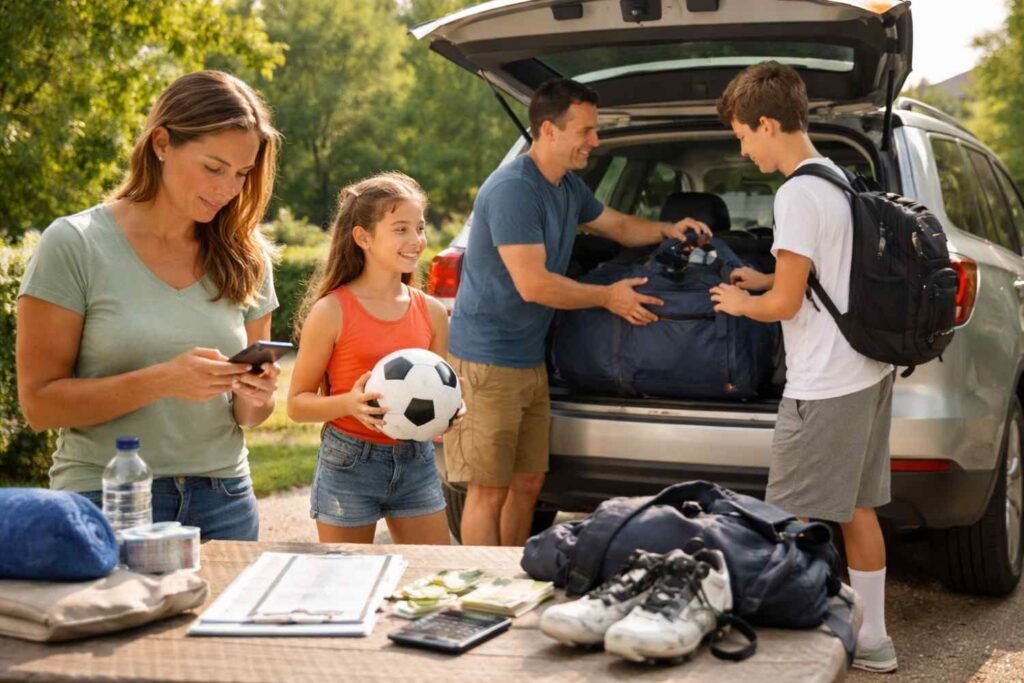
Every time I used to plan a sports camp trip, I braced myself for the cost. Flights were high, hotels were worse, and somehow the final bill always ended up way beyond what I expected. That’s when I realized I wasn’t actually doing budget travel for sports camps—I was just hoping things would stay affordable.
So I changed my strategy completely. I stopped guessing and started planning with intention. I found smarter ways to book, cut unnecessary expenses, and take advantage of options most families don’t even consider.
Now, instead of stressing about costs, I go into every trip knowing exactly how to keep it affordable without sacrificing comfort or experience.
Why Sports Camp Travel Costs More Than You Expect
Most families focus only on registration fees, but that’s just one piece of the puzzle.
Travel is often the biggest expense. Flights during peak sports seasons are expensive, especially when booked late. Accommodation near sports complexes also comes at a premium, and food costs add up quickly over multi-day events.
What surprised me most was how hidden costs creep in. Extra training sessions, last-minute bookings, and replacing essential Football Training Equipment can easily push your budget way beyond what you planned.
What Are the Real Costs of Sports Camp Travel in the US?
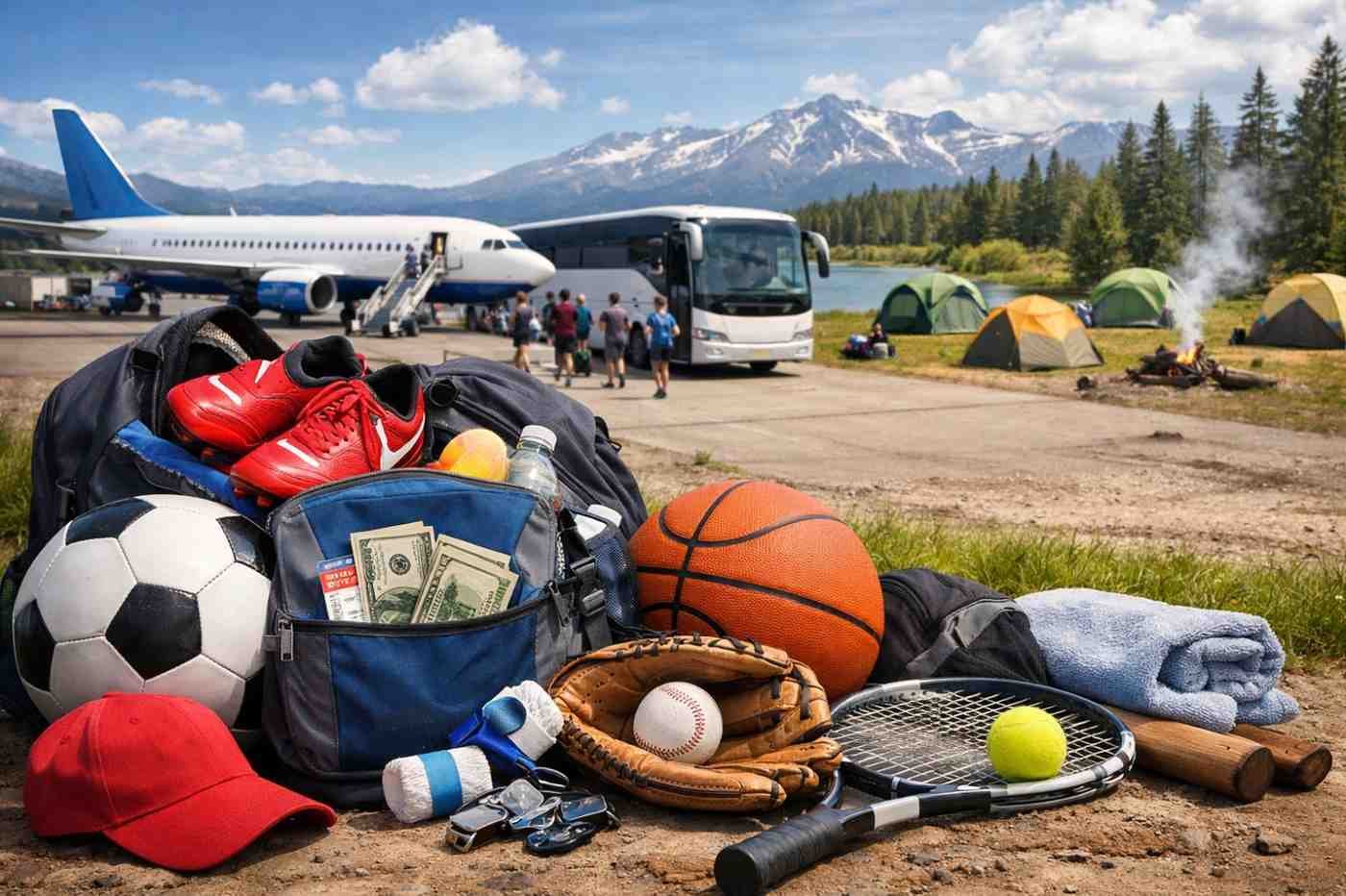
To make smarter decisions, I break everything into clear categories before booking anything.
Travel costs include flights, gas, rental cars, and airport transfers. One strategy that saved me hundreds was flying into larger regional hubs and driving the final stretch instead of flying directly into smaller airports.
Accommodation is usually the second biggest expense. Based on 2026 trends, 3-star hotels can range from around $172 per night in off-peak months to over $230 during peak seasons. That’s why timing matters.
Food and daily expenses are often underestimated. Eating out for every meal quickly drains your budget, so I now mix grocery runs with occasional dining out.
Then there are equipment and optional fees. Uniforms, training upgrades, and facility access costs can add up faster than expected.
How Do I Plan Budget Travel for Sports Camps Step by Step?
I follow a system that keeps everything predictable and manageable.
First, I set a hard budget per person. I always include a 10–15% buffer for unexpected costs like medical needs or gear replacement.
Next, I book early. Most camps offer early bird discounts between 10% and 20% if you register months in advance. Flights and hotels are also significantly cheaper when booked early.
Then, I focus on location. Staying closer to the venue often saves money on transportation and reduces daily stress.
After that, I keep everything organized in one place using travel apps. This prevents last-minute surprises and helps me track spending in real time.
What Are the Best Transportation Hacks to Save Money?
Transportation is where I’ve saved the most money over time.
One of my favorite strategies is mid-week travel. Flying on Tuesdays or Wednesdays often results in lower airfare compared to weekends.
Another game-changing option is renting an RV. Companies like Cruise America allow you to combine transportation and accommodation into one cost, which can be especially effective for families or teams.
I also look at regional airport options. Flying into major hubs and driving the rest of the way can save hundreds compared to smaller airport routes.
For shorter distances, driving is usually the most cost-effective option, especially when carpooling with teammates.
How Can You Save on Accommodation Without Sacrificing Comfort?

Accommodation is one of the easiest areas to optimize.
I always check if the camp offers dormitory stays. Many university-hosted camps provide discounted on-campus housing, which is often much cheaper than nearby hotels.
If I book hotels, I choose refundable options. This allows me to rebook at lower rates if prices drop closer to the travel date.
Sharing rooms is another simple way to cut costs. Splitting expenses with other families or teammates significantly reduces the overall burden.
Timing also matters. Hotel prices fluctuate throughout the year, so booking during lower-demand months can lead to major savings.
Are Scholarships and Financial Aid Available for Sports Camps?
This is something many families overlook, but it can make a huge difference.
Programs like Camp America offer bursaries and financial assistance for eligible participants. Some camps also provide need-based scholarships or payment plans.
I always check the camp’s official website for funding options before registering. Even partial support can significantly reduce the total cost.
Planning ahead gives you access to more funding opportunities, which is why I never wait until the last minute.
What Hidden Costs Can Double Your Budget?
Ignoring hidden costs is one of the biggest mistakes I made early on.
Last-minute bookings can increase travel and accommodation costs dramatically. Extra training sessions and optional events also add to the total expense.
Gear replacement is another common issue. Buying equipment near the venue is usually more expensive than bringing everything from home.
Medical and recovery needs can also come up unexpectedly. Having a buffer in your budget helps you handle these situations without stress.
Is Driving or Flying Better for Sports Camp Travel?
I always compare both options before deciding.
Driving is usually more affordable for shorter distances. It eliminates baggage fees and makes it easier to carry sports equipment.
Flying is faster, but costs can rise quickly with luggage and gear fees. However, booking early or choosing off-peak travel days can make flying more affordable.
The best choice depends on distance, timing, and group size. I always calculate the total cost before making a decision.
How I Make Budget Travel for Sports Camps Work Every Season

Over time, I stopped planning trip by trip and started thinking long-term.
I set aside money throughout the year in a dedicated sports travel fund. This makes large expenses easier to handle when camp season arrives.
I also track every trip. Understanding where I overspent helps me improve my strategy for the next one.
Most importantly, I stay flexible. Prices change, plans shift, and being adaptable helps me take advantage of better deals.
Frequently Asked Questions (FAQs)
1. How much does sports camp travel cost in the US?
From my experience, total costs typically range between $1,000 and $3,000 depending on travel distance, accommodation, and camp fees.
2. What is the cheapest way to travel for sports camps?
Driving, carpooling, and using RV rentals are often the most cost-effective options for families and teams.
3. How can I reduce accommodation costs?
Dormitory stays, shared rooms, and booking refundable hotels early are the best ways to save.
4. Is budget travel for sports camps realistic for most families?
Yes, with early planning, smart choices, and the right strategies, budget travel for sports camps becomes achievable without sacrificing the experience.
A Smarter Way to Travel Without Overspending
After years of trial and error, I’ve realized that budget travel for sports camps isn’t about cutting corners. It’s about making intentional decisions at every step.
When I plan early, use smarter travel strategies, and prepare for hidden costs, I spend less and enjoy the experience more. If you follow the same approach, you’ll not only stay within budget but also make every trip feel worth it.