When I first started training, I was all about getting stronger and seeing my muscles grow. I thought lifting weights was pretty straightforward: grab the heaviest dumbbell, push, pull, squat, and hope for the best.
But over time, I began to realize there’s more to the story. Specifically, I discovered the fascinating differences between unilateral (one limb at a time) and bilateral (both limbs working simultaneously) resistance training.
After months of experimenting with both methods, I found that they each offer unique benefits depending on my goals. Here’s what I’ve learned, along with a few tips on how to integrate them into your workout routine for maximum results.
What’s the Real Difference Between Unilateral and Bilateral Training?
At first, I was unsure of which one I should focus on—should I do more one-leg squats or should I stick to the traditional two-legged versions? Here’s the breakdown:
Unilateral Resistance Training: One Limb at a Time
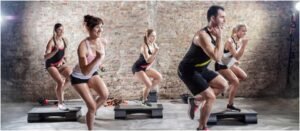
Unilateral training, or training one limb at a time, forces your body to work harder to maintain balance and stability. Think of exercises like lunges, single-leg squats, or Bulgarian split squats. These movements engage your core and force your muscles to compensate for the lack of support from the other leg.
Why I Love It: Unilateral exercises help improve balance and stability. They’re fantastic for building strength in each limb individually, correcting imbalances, and training your body to work symmetrically, preventing one side from overcompensating for the other.
Bilateral Resistance Training: Both Limbs Simultaneously
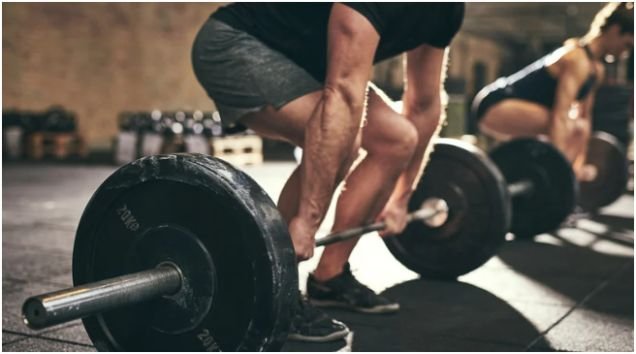
Bilateral exercises, on the other hand, involve both limbs working at the same time. These include exercises like the traditional squat, deadlift, or bench press. The beauty of bilateral training is that you can typically lift heavier loads since your body has more support from both limbs.
Why I Love It: Bilateral exercises allow me to lift heavier weights, which helps increase overall strength and muscle mass. Plus, when I train both legs or arms together, I feel like I’m hitting my full potential.
Which One Is Best for Strength and Hypertrophy?
For a long time, I believed that lifting heavy was the key to bulking up. After diving deeper into the effects of unilateral and bilateral resistance training, I realized that both methods play a role in improving strength and hypertrophy (muscle growth).
Bilateral Training: More Weight, More Force
When I’m aiming for max strength, bilateral exercises like squats and deadlifts allow me to push heavier weights. This is due to the increased stability provided by using both limbs, which helps produce more force. It’s simple: heavier weights = more muscle stimulus, which equals better gains. The body can push harder, lifting more, and using more muscle fibers.
Unilateral Training: Balance and Symmetry
On the other hand, unilateral exercises are great for targeting specific muscles and addressing imbalances. If I notice that one leg is stronger than the other, I’ll add more unilateral exercises to my routine to correct that. I’ve also found that unilateral training works wonders for improving my coordination and balance, especially when I’m doing moves like single-leg Romanian deadlifts.
How Do These Methods Affect Athletic Performance?
If you’re like me and want to be faster, stronger, and more agile, you’re probably wondering how these training techniques impact athletic performance. Here’s what I’ve discovered:
Unilateral Training for Explosiveness and Speed
Unilateral resistance training is awesome for improving athletic football skills like sprinting and change-of-direction speed. This is because many sports movements (like running or pivoting) use a single leg. As I’ve learned, focusing on one leg at a time really helps with my sprinting times and agility.
Bilateral Training for Power and Force
While unilateral training improves my speed, agility bilateral exercises help develop explosive power and overall strength. The ability to lift heavy in bilateral movements like squats translates into more force during athletic performance, especially when I need to push or jump.
How to Integrate Both Methods Into Your Routine
After years of trial and error, I’ve found the key to getting the best of both worlds: combining unilateral and bilateral exercises into my weekly workout routine.
Step-by-Step: Combining Both into One Routine
- Warm-Up: Start with dynamic stretches and mobility work to get your body primed.
- First Lift (Bilateral): Begin with a heavy bilateral compound movement like squats or deadlifts to target your largest muscle groups.
- Unilateral Move: Follow up with a unilateral exercise like lunges or Bulgarian split squats. This helps target each leg individually and balances out any weaknesses.
- Accessory Work: Add smaller unilateral and bilateral movements (like single-arm rows or overhead presses) to address specific muscles.
- Cool Down: Finish with stretching and foam rolling to maintain flexibility and prevent injury.
By alternating between both types of exercises, I’ve been able to build more strength, improve my balance, and prevent muscle imbalances. It’s all about finding the right balance for your specific goals.
FAQ: Unilateral vs. Bilateral Training
1. What’s better for muscle growth: unilateral or bilateral?
For muscle growth, both methods can be effective if you’re hitting the right volume. If you’re after symmetry and fixing imbalances, I’d recommend incorporating unilateral exercises. For overall muscle mass and strength, bilateral exercises are your go-to, especially when you’re lifting heavier weights.
2. Does unilateral training help with injury recovery?
Absolutely. Unilateral exercises can help correct imbalances and improve strength on one side, which is particularly helpful if you’ve had an injury. I’ve used unilateral movements to maintain strength in my uninjured limb while the injured one recovered.
3. Can unilateral exercises replace bilateral exercises?
While unilateral exercises are great for balance and addressing imbalances, they shouldn’t fully replace bilateral exercises if you want to maximize strength and muscle growth. The two should complement each other.
Wrapping It Up: Finding the Perfect Balance
Ultimately, the effects of unilateral and bilateral resistance training depend on your goals. For building raw strength and lifting heavy, bilateral exercises are essential. However, if you’re working on balance, agility, and correcting imbalances, unilateral exercises should be in the mix.
In my experience, combining both gives me a well-rounded workout routine that helps me improve strength, athletic performance, and balance. So, don’t be afraid to mix it up and tailor your training to your own fitness journey!
And hey, if you’re not sure where to start, why not try adding a unilateral move like Bulgarian split squats to your regular squat routine? You’ll feel the difference in no time!
Tip: If you feel one leg is significantly weaker than the other, focus a little more on unilateral exercises for a few weeks. It can make a huge difference in both strength and overall performance!Effects of unilateral and bilateral resistance training