
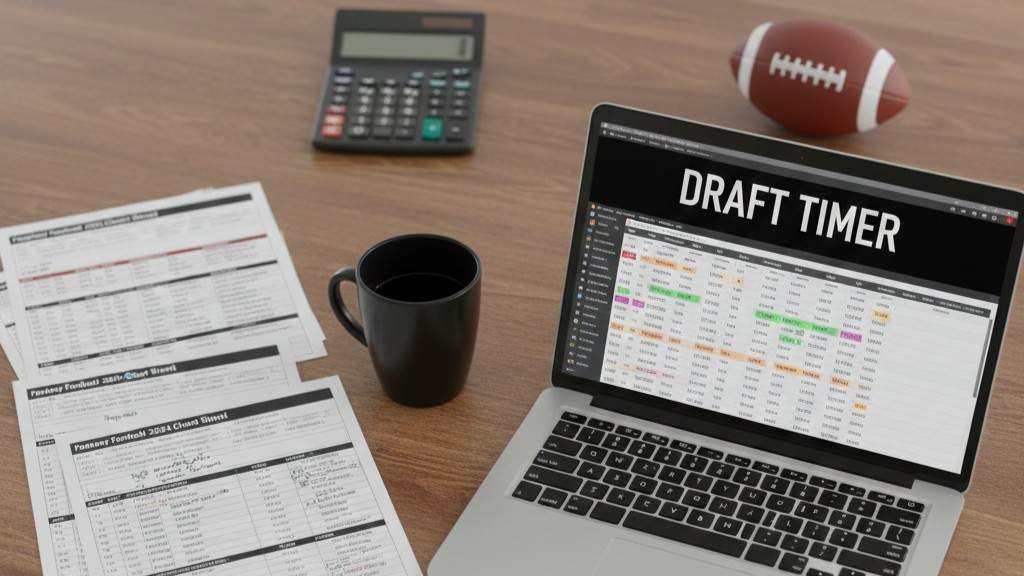
I still remember the first time I took fantasy football seriously. I walked into the draft with a printed cheat sheet, a coffee that was way too strong, and absolute confidence. By round five, that confidence was gone. These fantasy football draft tips come from years of trial, error, and finally getting it right.
I reached for a quarterback too early, ignored bye weeks, and drafted a defense before my flex spot was filled. That season taught me something valuable. Winning starts with preparation and smart decisions.
Fantasy football feels like a game, but the mindset is closer to managing a small investment portfolio. You manage risk, chase upside, and stay flexible when the market shifts. If you approach draft day with that mindset, these tips will help you build a roster that stays competitive all season.
What Fantasy Football Draft Tips Matter Most Before Draft Day
Preparation is where championships quietly begin. The best fantasy football draft tips always start before the clock ever starts ticking. Knowing your league rules sounds basic, but it drives every decision you make. Scoring format changes player value dramatically. A PPR league rewards volume receivers, while standard scoring pushes touchdown dependent running backs up the board.
Mock drafts are the safest way to practice without consequences. They help you understand draft flow, positional runs, and where value typically falls. After a few mocks, patterns start to emerge. You stop panicking when positions thin out because you already know what comes next. Studying ADP and rankings allows you to build player tiers rather than chase names. This makes you calmer, faster, and far more confident on draft day.
Why Football Draft Tips Focus on RB and WR Early

Most fantasy football draft tips emphasize running backs and wide receivers early for a reason. These positions touch the ball most often and show the steepest production drop after the elite tier. Securing at least two strong running backs and two reliable wide receivers in the early rounds builds weekly stability.
Running backs remain scarce because opportunity matters more than talent. When volume dries up, replacement value falls fast. Wide receivers offer depth, but elite ones still separate themselves with consistency. Drafting these positions early protects you from scrambling later when options feel thin. This approach mirrors smart financial planning. You lock in stable assets early, then take calculated risks later.
How Fantasy Football Draft Tips Help You Stay Flexible Mid Draft
The most overlooked fantasy football draft tips revolve around adaptability. No draft follows your script perfectly. Players rise unexpectedly, positional runs happen fast, and value slips when you least expect it. Being flexible allows you to capitalize on these moments.
Waiting on quarterback and tight end usually pays off unless an elite option falls well below value. Middle and late rounds still offer strong production at these positions. Flexibility also means recognizing when a high value player drops regardless of position. Value beats need early in drafts. You can always trade or adjust later. Drafting rigidly limits upside and increases risk.
How To Use Draft Tips Step by Step on Draft Day

Draft day success starts with a clear but flexible plan. Before your first pick, identify your ideal roster construction but stay open to change. In the early rounds, prioritize running backs and wide receivers while watching ADP closely. When value falls, take it even if it slightly disrupts your original plan.
As the draft progresses, continue filling core positions while monitoring bye weeks and roster balance. Middle rounds are ideal for quarterbacks and tight ends unless elite options appear earlier. Late rounds should focus on upside rather than safety. Draft players who could become weekly starters if circumstances break right. This step by step approach turns chaos into controlled decision making.
Why Fantasy Football Draft Tips Emphasize Upside Late
Late rounds win leagues when approached correctly. The smartest fantasy football draft tips encourage chasing upside rather than floor at the end of drafts. Safe bench players rarely change outcomes. High upside players can transform seasons.
Target players in ambiguous depth charts, young receivers stepping into larger roles, or backups behind injury prone starters. These players carry risk, but the cost is minimal late in drafts. This strategy mirrors smart investing where high risks can deliver massive returns. Waiver wires help, but drafting upside gives you a head start.
What Common Mistakes Fantasy Football Draft Tips Help You Avoid
Even experienced players make avoidable mistakes. One of the most common errors is overvaluing favorite players. Emotional drafting leads to reaching and poor roster balance. Fantasy football draft tips consistently warn against drafting with your heart instead of your rankings.
Another mistake is drafting kickers and defenses too early. These positions fluctuate weekly and offer little predictability. Waiting until the final rounds preserves valuable draft capital. Handcuffing your own running backs also limits upside. Instead, target backups across different teams to maximize league wide injury exposure.
How Fantasy Football Draft Tips Improve Long Term Roster Value
Fantasy football draft tips are not just about week one. They are about season long success. A well drafted roster reduces panic trades, minimizes waiver wire desperation, and maintains flexibility. Balanced rosters adapt better to injuries and schedule changes.
Drafting with value in mind also strengthens trade leverage. When other managers struggle at positions you stockpiled, you control negotiations. This long term view separates playoff teams from championship teams.
Frequently Asked Questions
1. When should fantasy football be adjusted for league size?
Fantasy football draft tips change slightly with league size. In deeper leagues, positional scarcity increases and bench depth matters more. You should prioritize secure volume earlier and limit risky picks. Smaller leagues allow more flexibility and aggressive upside chasing because replacement options are readily available on waivers.
2. Are draft tips different for PPR leagues?
Yes, fantasy football draft tips shift significantly in PPR formats. Wide receivers and pass catching running backs gain value. Volume matters more than touchdowns alone. Tight ends who command targets also rise. Adjusting rankings to reflect reception scoring is critical for success.
3. Do fantasy football draft tips recommend drafting quarterbacks early?
Most fantasy football draft tips suggest waiting on quarterbacks unless elite options fall well below value. The scoring gap between top quarterbacks and mid tier options is often smaller than other positions. Depth allows flexibility while maximizing early round value elsewhere.
4. How do fantasy football draft tips help beginners?
Fantasy football draft tips simplify decision making for beginners. They reduce panic, clarify priorities, and create structure. Following proven strategies builds confidence and prevents common mistakes. Over time, beginners develop instincts while still relying on sound fundamentals.
Fantasy Football Draft Tips That Pay Off All Season Long
Draft day sets the tone for your entire season. These fantasy football draft tips work because they balance preparation, flexibility, and calculated risk. Treat your roster like a smart investment, not a gamble. Secure stable assets early, stay adaptable, and chase upside where it counts.
My biggest lesson came after losing early seasons. The goal is not perfection. It is progress and discipline. Surely, it helps predicts football betting. Walk into your next draft calm, prepared, and confident. When others panic, you will see opportunity. That is how championships are built.