When I first started playing football, I thought all I needed to focus on was running fast and kicking hard. Simple, right? But the more I played, the more I realized football is a game of finesse, control, and quick decision-making. Improving my skills wasn’t just about getting faster or stronger—it was about mastering the fundamentals, developing agility, and learning to think on my feet.
Through trial, error, and countless drills, I’ve found that the best way to elevate my game is through consistent football skill development exercises. Let me take you through some of the most effective drills I’ve incorporated into my routine, from improving ball control to enhancing speed and stamina. These exercises have helped me, and they’re about to help you too.
How Can I Improve My Ball Control and Juggling Skills?
Improving ball control is crucial for any football player. The ability to control the ball under pressure can be the difference between a successful pass and a turnover. One drill I swear by for building ball control is Toe Touches. It sounds simple, but it’s incredibly effective.
Toe Touches involve tapping the top of the ball with the sole of each foot, rapidly alternating. Start slow, get a feel for the ball, and gradually increase the speed. It builds quickness and teaches you how to handle the ball under pressure. This drill trains your footwork and helps improve touch control.
Another key skill is juggling the ball, which might seem a bit intimidating at first. But trust me, once you get the hang of it, you’ll see significant improvements in your balance, finesse, and ability to adjust to different heights and angles.
I started with simple Ball Juggling using my feet, thighs, and even my head. The goal is to keep the ball in the air as long as possible, but I also made sure to vary the technique so I could better handle unpredictable ball trajectories during a match.
Wall Work was another game-changer for me. I used to kick the ball against a wall and try to control the rebound with different surfaces of my foot. Sometimes I’d vary the power and height of my kicks, mimicking the variety of passes you might encounter during a game. This helped me improve my reaction time and develop a better feel for the ball.
How Do I Enhance My Dribbling and Speed?
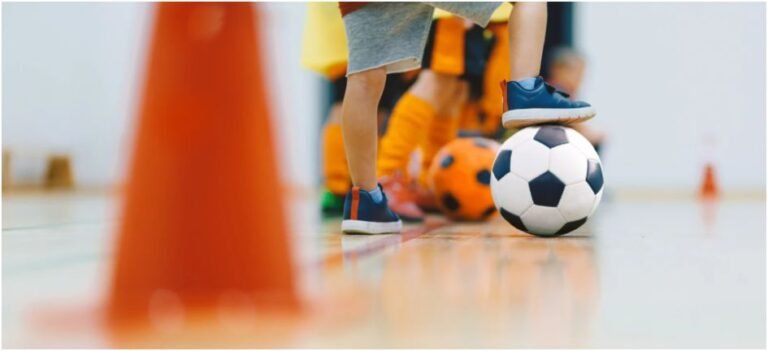
Dribbling is one of those football skills that seems simple until you’re facing an opponent who knows what they’re doing. To really master it, I focused on Cone Dribbling. Set up cones in a straight line or random pattern, and weave through them with small, controlled touches. This helped me keep the ball close while maintaining control, which is crucial when opponents are pressuring you.
One of my favorite drills for improving change of direction is incorporating cones into my training. You can set them up in various configurations and practice making quick turns, changes in speed, and explosive bursts to escape defenders. This drill mirrors real-life game scenarios, where quick reactions and acceleration are key.
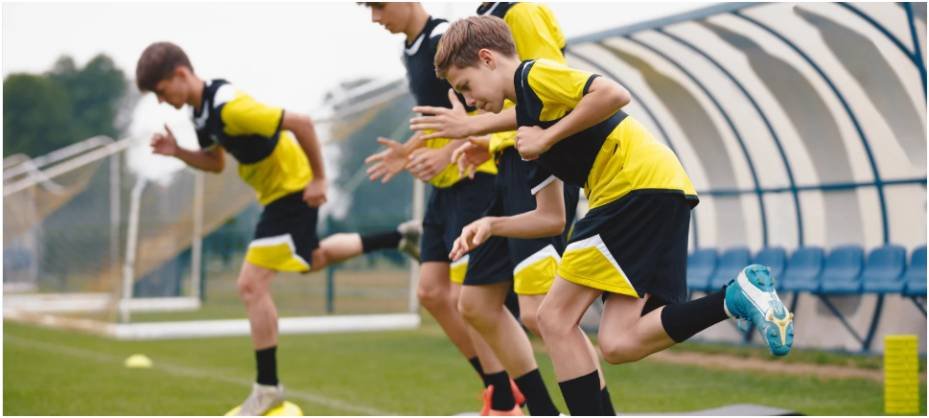
Speaking of acceleration, Hill Sprints were a game-changer for me. Sprinting uphill isn’t easy, but it builds explosive power in your legs. This helps with getting a quicker start and improving your overall sprinting performance. As I’ve learned, it’s not just about being fast—it’s about how quickly you can get to top speed.
How Can I Improve My Passing and Shooting Techniques?
While speed and dribbling are crucial, passing and shooting are the bread and butter of football. To improve my passing accuracy, I used Wall Passes. I would pass the ball against a wall, focusing on making quick, one-touch returns. This drill not only helped me with accuracy but also helped me develop a quick thinking process, as passing under pressure requires making decisions fast.
Another essential exercise I love is Triangle or Square Passing. Whether I had a partner or was working in a small group, this exercise taught me how to move quickly after making a pass and anticipate where the ball would be next. This mimics the real game, where the ball rarely stays in one place for long.
When it comes to shooting, Target Shooting was crucial for developing accuracy. I would set up small targets—cones or even jackets—and shoot at them from various distances. Over time, my precision improved, and I felt more confident when taking shots on goal during matches. Additionally, Rapid Fire Shooting helped me practice shooting quickly after making a move or change in direction.
How to Build a Routine for Football Skill Development

The key to making progress in football is consistency. If you’re like me and want to develop speed, stamina, and skill, having a structured routine is essential. Here’s a simple week-by-week plan that worked for me:
- Day 1: Continuous running (30 minutes) + Ball control (Toe touches, Wall work)
- Day 2: Sprinting drills (10-20 yards), Cone dribbling, Hill sprints
- Day 3: Passing drills (Wall passes, Triangle passing) + Strength training (focus on legs)
- Day 4: Rest or light activity (cycling, swimming)
- Day 5: Agility ladder drills, Jump rope + Plyometrics (Box jumps, squat jumps)
- Day 6: Target shooting + Rapid fire shooting
- Day 7: Rest or active recovery (stretching, yoga)
FAQ: Football Skill Development Exercises
Q1: How long should I spend on each drill to see improvement?
A: Start with 20-30 minutes per session for each drill, focusing on quality over quantity. As you progress, you can increase the duration, but make sure to focus on consistency and technique.
Q2: Should I train by myself or with others?
A: Both! Solo drills help you work on your technical skills, while training with teammates improves your ability to communicate and play within a team structure. A balance of both is ideal.
Q3: How often should I train for the best results?
A: To see progress, I recommend training at least 4–5 times a week, but make sure to incorporate rest days for recovery. Football skill development takes time, and consistency is key.
A Winning Mindset: Keep Pushing
Football is more than just running and kicking a ball—it’s about mastering the small details and putting in the work when no one’s watching. The drills I shared with you are the ones that helped me push my game to the next level, and I know they’ll do the same for you.
Stay consistent, focus on improvement, and always remember: it’s not about perfection; it’s about progress. Keep pushing, and soon enough, those little gains will add up to big results on the pitch. You’ve got this!