When I first started playing football, I quickly learned that passing and ball control were the foundations of the game. You can have all the speed and strength in the world, but if you can’t pass or control the ball, you’re in trouble.
So, how did I go from struggling with basic passes to confidently dictating play in matches? It wasn’t about luck—it was all about consistent practice and focusing on a few key principles. Let me walk you through the process I followed and the exact drills I used to master passing and ball control.
Why is Passing and Ball Control So Important?
It seems pretty straightforward, right? You pass the ball to your teammate and control it when it’s passed to you. But there’s so much more to it. Passing and ball control are the heartbeat of your game.
If you’ve ever seen a player effortlessly glide across the field, making crisp, precise passes, you know it’s the result of hours of practice. Ball control, especially the first touch, allows you to set up your next move, decide where you’ll pass next, and even shield the ball from defenders.
For me, mastering these skills changed how I played the game. The more I worked on my technique, the more confident I felt on the field, and that confidence made all the difference during games. If you’re serious about improving your football skills, focusing on these two areas should be your top priority.
What’s the First Step to Mastering Ball Control?
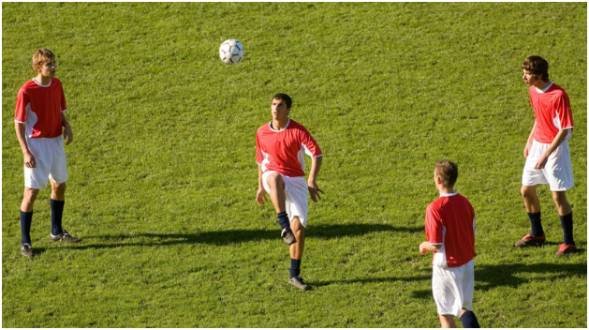
When I started focusing on ball control, the first thing I did was break it down into two simple techniques: cushion control and wedge control. Trust me, understanding these concepts made a huge difference.
- Cushion Control: This one’s all about absorbing the ball’s momentum. Imagine receiving the ball and letting your foot “sink” into it slightly. It helps you maintain possession without the ball bouncing away from you.
- Wedge Control: On the other hand, wedge control requires a stiffer foot. You trap the ball against the ground or push it into space. It’s great for stopping a fast-moving ball or getting it under control in tight situations.
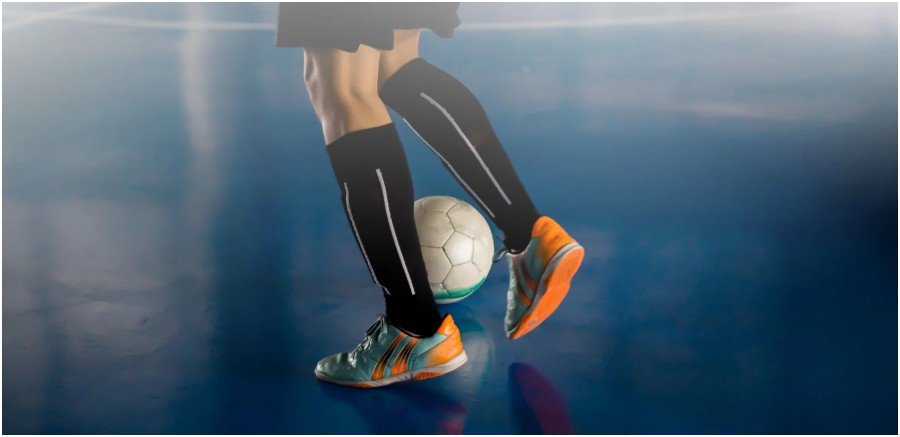
I practiced these two techniques for hours. I’d start by passing the ball against a wall, then controlling it with one touch. Every time the ball came back, I’d focus on using my inside, outside, and even the sole of my foot to trap or pass it back. It wasn’t always pretty in the beginning, but with repetition, my first touch became second nature.
How Can You Improve Your Passing Precision?
Passing was the next skill I tackled. I remember feeling frustrated with my accuracy—sometimes the ball would go too far, or I’d miss my target altogether. It wasn’t just about kicking the ball as hard as I could; it was about timing and technique.
- The Ground Pass: To master the simple ground pass, focus on your non-kicking foot. Place it beside the ball, pointing at your target. Strike the ball with the flat inside of your foot to ensure it travels straight and accurately.
- The Driven Pass: This is where the fun kicks in! When you want to cover distance or pass with power, you need a clean strike using your laces. I made sure my knee didn’t bend too much during the shot to keep the pass powerful and precise.
For these techniques, I spent hours on a diamond-shaped passing drill—setting up cones and working on one-touch passing. The aim was to pass with accuracy, making sure the ball went exactly where I wanted it to go.
What Drills Can Help You Master Both Skills?
The drills I did to master passing and ball control were simple but effective. I didn’t need fancy equipment, just a wall and some cones. Here’s the drill routine that worked best for me:
- Wall Rebounds: Pass against a wall and focus on controlling the ball with one touch. Alternate feet to ensure balance and accuracy.
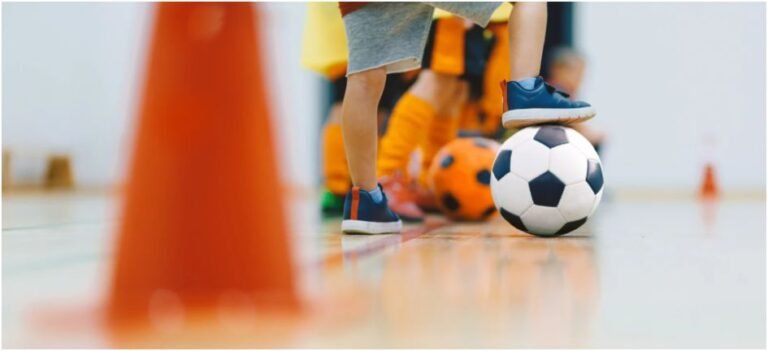
- Cone Dribbling: Set up a line of cones and use small, controlled touches to dribble around them. This improves close ball control, which is essential when you’re under pressure from defenders.
- Diamond Passing: Place four cones in a diamond shape and practice passing one-touch with a partner (or against a wall if you’re alone). This drill mimics the movement and passing patterns you’ll encounter in a game.
Consistency is key, so I did these drills at least four times a week. It wasn’t just about working hard—it was about working smart. Repetition built muscle memory, and muscle memory led to confidence.
How Can You Take Your Training to the Next Level?

To continue improving, I made sure to include these training principles:
- Quality Over Quantity: It’s better to make 30 perfect passes than 100 sloppy ones. This rule helped me slow down and focus on the technique, not just the number of repetitions.
- Weak Foot Training: Spending at least 50% of my reps on my non-dominant foot was a game-changer. My weak foot improved significantly, making me a more versatile player.
- Game Speed: Once I felt comfortable with a drill, I’d add intensity. Simulating match pressure—passing faster or changing direction more quickly—helped me execute these skills under real-game conditions.
How Do You Know When You’re Ready to Test Your Skills in a Game?
The true test of your passing and ball control is how you perform during a match. When I felt confident in my training, I made sure to pay attention to how my skills transferred to a game setting. I focused on keeping my head up before receiving or passing the ball—scanning for teammates, opponents, and open spaces.
Being able to quickly assess the situation allowed me to decide the best type of pass—whether it was a short, controlled ball or a long, driven pass. It was a huge confidence booster when I could execute the same drills for football training on the pitch without thinking too much.
FAQ: Mastering Passing and Ball Control
Q1: How can I improve my passing accuracy quickly?
Focus on the basics: make sure your non-kicking foot is planted correctly next to the ball, pointing towards your target. Start with short passes, then gradually increase the distance. Practice regularly, and pay attention to your follow-through.
Q2: How can I stop the ball from bouncing away when I control it?
Use cushion control! Relax your foot when receiving the ball to absorb its momentum and keep it close to your body. This method prevents the ball from bouncing too far.
Q3: How often should I train ball control and passing?
Consistency is key! Aim for at least 20-30 minutes of focused ball control and passing drills 3–4 times a week. The more you practice, the more natural it will feel on the field.
Wrap-Up: From Struggling to Mastery—Just Keep Practicing!
If there’s one thing I’ve learned through all my training, it’s that mastery doesn’t happen overnight. Passing and ball control are about putting in the time, making adjustments, and practicing with intention. The more you focus on these basics, the better you’ll get—trust me!
Tip: Never underestimate the power of a perfect first touch. That one moment can change the entire game. So, get out there, practice, and enjoy the process. Every improvement, no matter how small, gets you one step closer to being the player you want to be.