When I first started focusing on improving my athleticism, I knew one thing for sure: I needed to work on my explosive power. After all, it’s the key to accelerating faster, jumping higher, and generally performing better in any sport.
But here’s the thing I didn’t realize at first—building explosive power isn’t just about lifting heavy weights or running sprints. It’s all about resistance training to build explosive power. Let me walk you through the approach I took and how it completely transformed my performance.
What Is Explosive Power and Why Does It Matter?

Explosive power is the ability to exert maximum force in the shortest amount of time. If you’ve ever seen a sprinter explode out of the blocks or an athlete leap into the air for a dunk, you’ve witnessed explosive power in action.
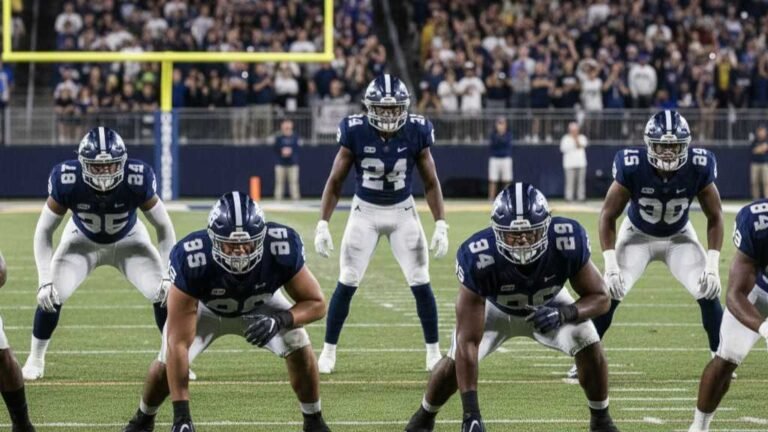
As someone who loves both football and track, I needed to be able to move fast, change direction quickly, and generate as much force as possible in every step and jump. That’s where resistance training to build explosive power comes in.
How Can Resistance Training Improve Explosive Power?

When I first learned about resistance training for explosive power, I thought it was just about throwing a few heavy weights around. But it’s so much more than that.
It’s about using moderate loads and focusing on speed. Traditional strength training focuses on lifting heavy weights, but for explosive power, you need to move lighter loads with as much velocity as possible.
The Right Load and Reps for Explosive Power
The goal is to use 30-70% of your 1RM (one-rep max). This is the range where your muscles can move with enough force to develop speed while still building strength.
At first, I found that focusing on this lower intensity range felt a little weird, especially since I was so used to pushing my limits with heavy weights. But trust me, it works. Keep your reps between 1–6 per set and make sure you’re moving with maximum intent.
Rest and Recovery: Don’t Skip It!
One of the most surprising things I learned about resistance training to build explosive power was the importance of recovery. While traditional strength training often involves shorter rest periods, for explosive training, you need 2–5 minutes of rest between sets.
This ensures your nervous system is fully recovered so you can generate maximum power every time. I used to skip rest days or rush through them, but after adjusting my recovery, I started seeing serious gains.
My Favorite Resistance Exercises for Power
Now, let’s talk about the football skill development exercises along with explosive power. There are plenty of ways to train for explosive power, but some movements are absolutely essential. Here’s a breakdown of what worked for me:
Olympic Lifts
These are the gold standard for explosive power. The Power Clean, Power Snatch, and Push Press all require you to move the weight with speed and force. These lifts target your total body and help build serious power. Honestly, these movements made me feel like an athlete again. The more I practiced, the faster and more explosive I became.
Plyometrics: Jump, Slam, Repeat
Jumping isn’t just for basketball players. Exercises like Box Jumps, Broad Jumps, and Medicine Ball Slams helped me build explosive power in my legs, hips, and core. These exercises force your muscles to generate maximum force quickly—perfect for improving your sprinting or jumping abilities.
Unilateral Work: Why Single-Leg Exercises Matter
Single-leg exercises, like Lunges and Bulgarian Split Squats, are great for building balance and power. Since so much of sports involves running and changing directions on one leg, these exercises help simulate those motions while improving strength and stability. They’ve been a game-changer for my athleticism and injury prevention.
How to Build Explosive Power: Step-by-Step
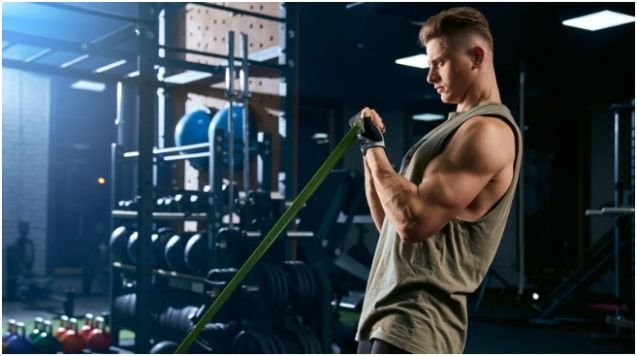
Want to know how to start training for explosive power? It’s simpler than it sounds, and I’ve broken it down into a few easy-to-follow steps.
1. Set Your Goals: What Do You Want to Improve?
Are you working on sprinting speed, vertical leap, or overall athleticism? Knowing your focus helps you tailor your workouts accordingly.
2. Choose Your Exercises
Pick exercises like Olympic lifts, plyometrics, and unilateral movements. I recommend starting with 2-3 core exercises per workout.
3. Get the Load Right
Focus on using 30-70% of your 1RM for explosive exercises. The key is speed and power, not just heavy weights.
4. Focus on Intent
Whether it’s jumping, sprinting, or lifting, always aim to move with maximum intent. Your body should be moving fast and forcefully, not grinding through the reps.
5. Recovery Is Key
Don’t skimp on rest. Take 2-5 minutes between sets and ensure you’re fully recovered before hitting the next round.
6. Stay Consistent
Just like anything, consistency is the key. Stick with it, and soon you’ll notice the results on the field or court.
Quick Reference: Power vs. Strength Training
| Feature | Power Training | Strength Training |
| Primary Goal | Speed of force (RFD) | Maximum force output |
| Weight (1RM) | 30–70% | 80–95%+ |
| Rep Range | 1–6 | 1–5 |
| Tempo | Explosive (Maximum Velocity) | Controlled / Grinding |
FAQs About Resistance Training for Explosive Power
1. How long does it take to build explosive power?
Building explosive power takes time, but with consistent training, I started noticing improvements within 4-6 weeks. You’ll see small gains in speed and explosiveness, and over time, it will compound. Stay patient!
2. Can I incorporate explosive training into my regular workout routine?
Yes! I actually found that adding explosive exercises to my regular routine didn’t require much extra time. You can incorporate them after your strength training sessions, focusing on 2-3 explosive exercises.
3. Is resistance training for explosive power only for athletes?
Not at all! Whether you’re into sports, fitness, or just want to improve your functional strength, resistance training for explosive power can be beneficial for anyone looking to improve their speed, strength, or endurance.
4. Can I get injured while training for explosive power?
If you don’t focus on proper technique or progress too quickly, there’s always a risk. I suggest working with a coach or trainer when starting, and always prioritize good form over lifting heavy weights.
The Power of Explosiveness: My Final Tip
Explosive power isn’t just a “nice-to-have”—it’s an absolute game-changer for any athlete. I can’t tell you how many times I’ve noticed a direct improvement in my performance because of the training I did.
It’s not just about getting stronger, it’s about getting faster and more powerful. So, start incorporating resistance training to build explosive power into your routine, and watch your athletic abilities skyrocket!