Most athletes focus on training, drills, and game strategy—but from my experience, the real difference often shows up before you even step onto the field. A rough travel day, poor hydration, or a small safety mistake can quietly ruin performance without you realizing it.
That’s exactly why I started taking travel seriously. I built a simple routine that keeps everything aligned—energy, focus, and security—no matter where I go. These safe travel tips for young athletes are what I rely on to stay sharp, avoid setbacks, and show up fully ready when it matters most.
What Should You Check Before Young Athletes Travel for a Game or Camp?
Before any trip, I focus on preparation first. I make sure all travel details are confirmed—tickets, hotel bookings, and transportation plans.
I always carry both digital and physical copies of important documents like IDs, itineraries, and insurance details. I also share these with a parent or coach so someone always has backup access.
Medications are another priority. I pack everything in one clearly labeled pouch so nothing gets lost or forgotten. This step alone has saved me multiple times.
How Do You Pack Safely for Young Athlete Travel?

Packing is more than just throwing gear into a bag—it’s about being ready for anything.
I always include hydration bottles, hygiene kits, extra uniforms, and weather-appropriate clothing. I also pack “extras” like sunscreen, wipes, and portable chargers because many venues don’t provide these.
From my experience, smart packing prevents last-minute stress and keeps athletes focused on performance instead of problems.
What Are the Best Food and Hydration Strategies While Traveling?
Nutrition is one of the biggest factors in performance, especially during travel.
I follow a simple rule: start hydrating the day before the trip. During travel, I sip water consistently instead of waiting until I feel thirsty. This helps maintain energy and prevents fatigue.
For game day, I use the 4-2-1 rule:
- A full meal 4 hours before
- A light carb snack 2 hours before
- Electrolytes 1 hour before
I also pack smart snacks like trail mix, nut butter packets, and protein bars to avoid relying on unhealthy options.
Planning ahead like this also connects with travel tips to save money on flights, because you avoid overpriced airport food while staying on track.
How Can Young Athletes Stay Safe in Hotels and New Environments?
Hotel safety is something I take seriously, especially for younger athletes.
I always choose rooms between the 3rd and 6th floors. It’s a simple safety strategy—high enough to avoid street-level risks but still accessible in emergencies.
I also follow basic habits:
- Keep doors locked at all times
- Never open doors for strangers
- Avoid going out alone—always use a buddy system
Even small habits, like looping a bag strap around your leg in public places, can prevent theft.
What Are the Smartest Transportation Safety Tips for Team Travel?
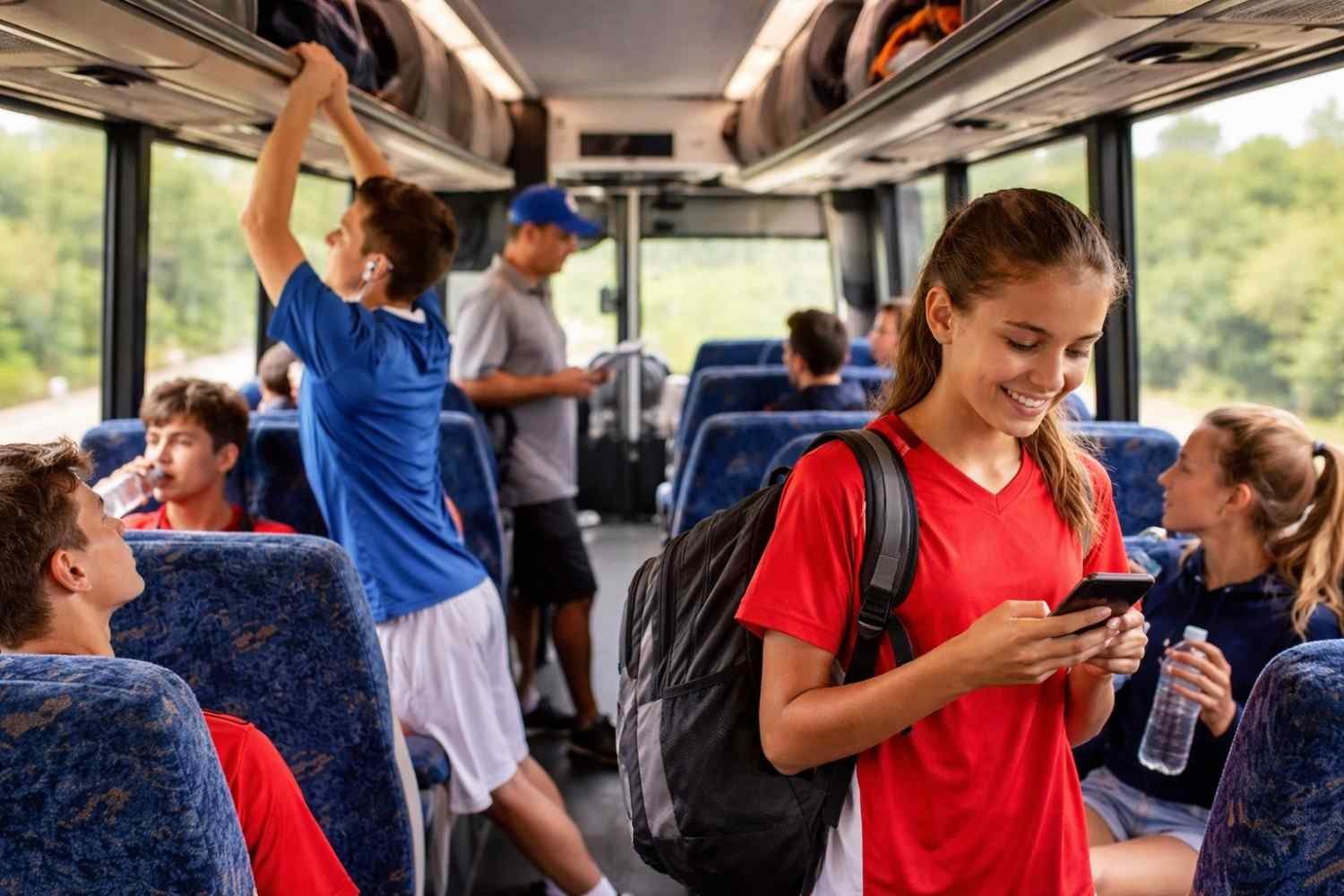
Transportation is another area where I stay extra careful.
I always verify pickup details, driver information, and drop-off points. If something feels unclear, I double-check instead of assuming.
On long trips, I make sure athletes move around, stretch, and avoid sitting too long. This helps prevent stiffness and reduces injury risk before competition.
This approach also ties into slow travel lifestyle benefits, where pacing and comfort improve both safety and performance.
How Important Is Digital Safety for Young Athletes While Traveling?
Digital safety is just as important as physical safety today.
I always make sure phones are fully charged and location sharing is enabled with a trusted adult. I also remind athletes not to post their real-time location online.
Using secure connections and staying aware online adds another layer of protection that many people overlook.
How Do You Prevent Injuries and Fatigue During Travel?
Travel can quietly affect performance if you don’t manage it properly.
I always include light movement during long trips. Stretching or walking every few hours helps keep the body loose.
Once we arrive, I like to do a short 15–20 minute workout. It helps activate the body and prepares it for competition.
Sleep is just as important. I aim for around 9 hours and try to stick to a consistent sleep schedule, even while traveling.
How Can Athletes Adjust to New Climate or Conditions Quickly?
One of the biggest lessons I’ve learned is to arrive early when possible.
If you’re traveling to a hotter climate or higher altitude, giving your body time to adjust can make a huge difference. Even a few days of acclimatization improves performance and reduces risk.
In hot conditions, I also use simple strategies like cooling towels or cold drinks before competition to lower body temperature.
How To Plan a Safe and Smooth Trip for Young Athletes
When I plan a trip, I follow a simple system that keeps everything organized.
First, I confirm all logistics—travel, hotel, and schedules. I don’t leave anything uncertain.
Next, I create a checklist. This includes documents, gear, food, hydration, and safety items. Writing everything down removes guesswork.
Then, I communicate clearly. Everyone knows the plan, expectations, and safety rules before the trip even starts.
Finally, I build in extra time. Rushing leads to mistakes, so I always allow room for delays and rest.
This approach has consistently made every trip safer and more enjoyable.
What Should Parents and Coaches Communicate Before Travel?
Effective communication makes everything easier.
I always make sure athletes know emergency contacts, meeting points, and movement rules. I also confirm any health or dietary needs ahead of time.
This becomes even more important during sports travel for young athletes, where multiple people are involved and coordination matters.
FAQs About Safe Travel Tips for Young Athletes
1. What are safe travel tips for young athletes?
Safe travel tips for young athletes include planning ahead, staying hydrated, packing essentials, following safety rules, and maintaining clear communication during trips.
2. How can young athletes stay healthy while traveling?
They can stay healthy by eating balanced meals, drinking water consistently, getting enough sleep, and staying active during long journeys.
3. What should young athletes eat before competitions while traveling?
A full meal 4 hours before, a light snack 2 hours before, and electrolytes 1 hour before is an effective approach.
4. How can parents ensure safety during team travel?
Parents should confirm travel plans, share emergency contacts, and stay in regular communication with coaches and athletes.
Final Thoughts on Safe Travel Tips for Young Athletes
What changed everything for me was realizing that travel isn’t just about getting to the destination—it’s part of the performance itself. When I plan properly, stay consistent with routines, and remain aware of my surroundings, everything feels more controlled, especially when I ensure all my Football Training Equipment is organized and ready.
Over time, these habits become automatic. And once that happens, travel stops being stressful—and starts becoming a powerful advantage.