I thought I had everything under control—hotel booked, bags packed, schedule saved. But the moment we stepped into our first tournament trip, everything started falling apart. Delays, missed timing, tired athletes, and stress I didn’t see coming.
That’s when I realized sports travel for young athletes isn’t just about showing up—it’s about managing a system most parents aren’t prepared for.
Here’s the part no one tells you: one small mistake—wrong food, poor sleep, bad timing—can affect performance more than practice ever could. And once you’re in the middle of it, fixing things isn’t easy.
After going through it the hard way, I figured out what actually works. And if you get this right from the start, you can avoid the chaos, reduce stress, and give your athlete a real edge before the game even begins.
What Makes Youth Sports Travel So Valuable for Athletes?
From what I’ve seen, the biggest benefit isn’t just competition—it’s growth that happens outside the game.
When athletes compete in new environments, they face different playing styles and higher intensity. This pushes them to adapt quickly and improve faster than they would locally.
Travel also builds independence. Managing time, adjusting to new places, and handling pressure teaches skills that go far beyond sports.
There’s also a cultural element that many parents underestimate. Traveling—especially across states or internationally—exposes athletes to new perspectives and helps them connect with others through the shared language of sport.
How Do You Plan Sports Travel for Young Athletes Without Chaos?

Planning is where everything starts. If this part is rushed, the entire trip feels stressful.
I always begin by booking accommodations close to the venue. Long commutes drain energy before the game even begins. Then I map out a detailed schedule—arrival times, warm-ups, meals, and buffer time.
Communication is just as important. Staying updated with coaches and team organizers prevents last-minute surprises, which are common in youth sports tournaments.
Another thing I’ve learned is to define the goal of the trip early. Is it competition, exposure, or development? That clarity shapes every decision you make.
What Should Young Athletes Pack for Travel Competitions?
Packing is not just about convenience—it’s about performance readiness.
I always start with essentials: uniforms, backup gear, extra socks, and shoes. One small mistake here can ruin an entire game.
Then I add recovery tools like foam rollers or compression gear. These become especially important during multi-day tournaments.
Snacks are non-negotiable. I keep simple, portable options like protein bars, fruits, and trail mix to avoid relying on fast food.
The key is to pack with intention, not just quantity.
How Do You Keep Athletes Fueled and Hydrated on the Road?
Nutrition is one of the most overlooked parts of youth sports travel.
I’ve seen athletes depend on fast food between games, and it almost always affects their energy. Instead, I plan meals in advance whenever possible.
Balanced meals with carbohydrates, protein, and healthy fats help maintain performance. Hydration is just as important, especially during long flights or road trips.
One rule I follow is simple—never try new foods right before competition. Stick to what the athlete’s body already handles well.
How Much Does Youth Sports Travel Cost in the US?
This is where many families get surprised.
On average, families spend around $1,500 per year on youth sports. But if you’re part of elite travel teams, costs can range from $1,663 to over $10,000 annually.
Expenses include:
- Tournament fees
- Travel and accommodation
- Food and daily expenses
- Gear and equipment
I’ve learned that planning ahead and combining trips when possible can reduce costs significantly.
How Do You Maintain Performance During Travel Tournaments?

Travel can either support performance or completely disrupt it.
Sleep is the first thing I protect. Even slight disruptions can affect focus, reaction time, and endurance.
I also make sure athletes do light movement after long travel—walking or stretching helps reset the body.
Warm-ups become even more important when traveling. They help reduce muscle stiffness and prepare the body for competition.
Mental preparation matters too. Staying calm and focused helps athletes perform better under pressure.
What Are the Biggest Mistakes Parents Make During Sports Travel?
I’ve made some of these myself, and they’re easy to avoid once you recognize them.
One common mistake is poor time management. Arriving late creates unnecessary stress.
Another is ignoring recovery. Back-to-back games require proper rest and nutrition.
Overpacking or forgetting essentials is another issue. A simple checklist solves this.
But the biggest mistake? Turning the trip into pure pressure. Athletes perform better when they enjoy the experience.
What Trends Are Shaping Youth Sports Travel in 2026?
This space is evolving quickly, and it’s changing how families approach travel.
One major trend is the rise of mixed-use sports complexes. These facilities combine tournaments with entertainment, shopping, and community spaces.
Another shift is toward purpose-driven travel. More programs now include community engagement, volunteering, and local impact initiatives.
Families are also becoming more strategic—focusing on fewer, higher-quality tournaments instead of constant travel.
How to Prepare for Sports Travel for Young Athletes Step by Step
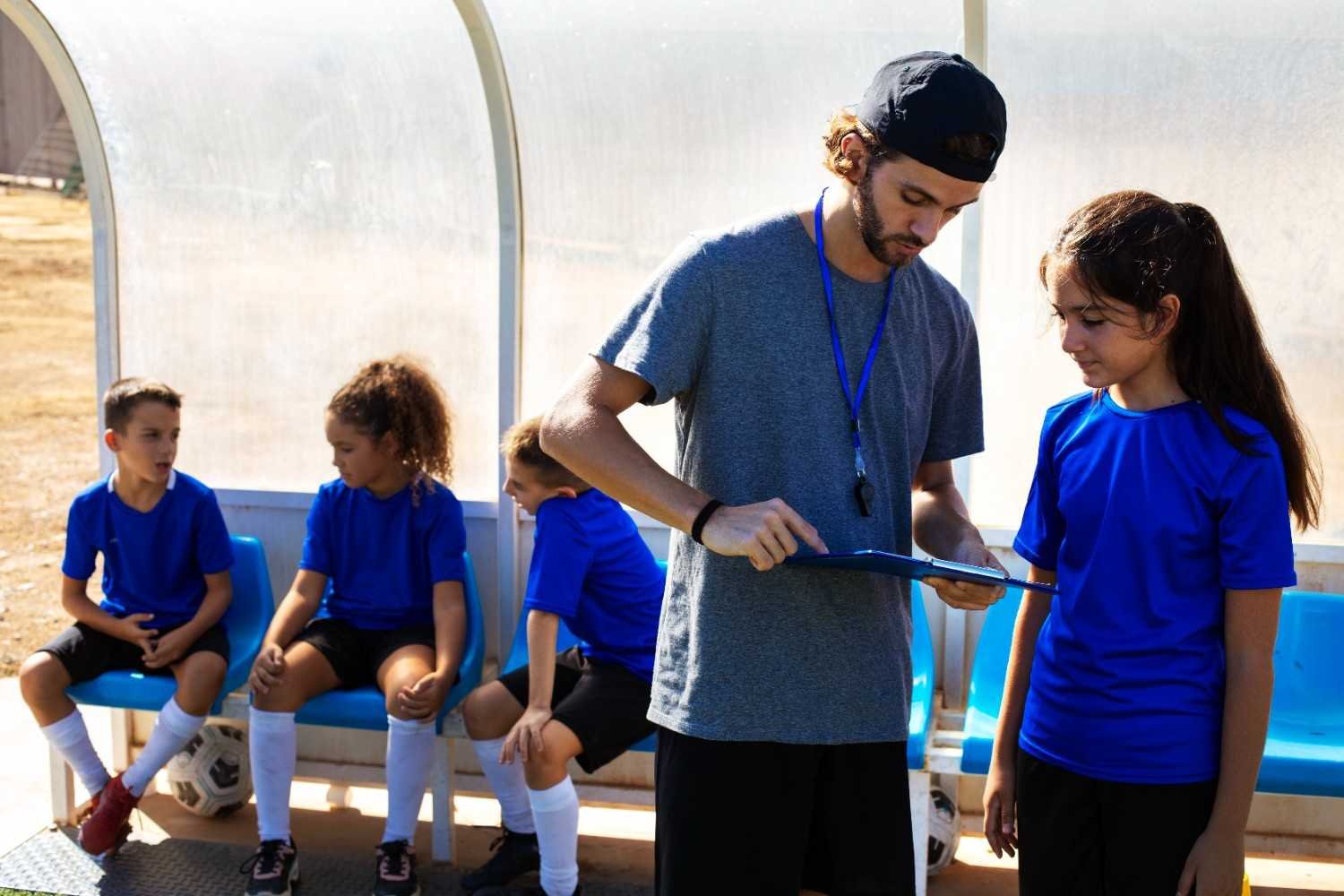
Start by confirming all tournament details and requirements.
Next, book accommodations and transportation early to reduce stress and costs.
Then create a packing checklist focused on essentials, recovery, and nutrition.
After that, plan meals and hydration strategies ahead of time.
Finally, prepare mentally. Set expectations and focus on effort, not just results.
Frequently Asked Questions About Sports Travel for Young Athletes
1. What is sports travel for young athletes?
Sports travel for young athletes involves traveling to competitions, tournaments, or training events, requiring careful planning for logistics, performance, and recovery.
2. How do you prepare a child for travel tournaments?
You prepare by organizing schedules early, packing essentials, maintaining routines, and focusing on nutrition and rest.
3. How can families reduce youth sports travel costs?
Families can reduce costs by planning early, sharing accommodations, and prioritizing fewer high-value tournaments.
4. What do athletes need to stay healthy while traveling?
Athletes need proper hydration, balanced meals, adequate sleep, and recovery strategies to maintain performance.
What Changed Everything for Me About Sports Travel
What really changed my approach to sports travel for young athletes was realizing it’s not just about getting to the game—it’s about building a system that supports performance, growth, and enjoyment, including smart planning around budget travel for sports camps.
Once I focused on planning, nutrition, and recovery, everything became smoother. The trips felt less stressful, and the athletes performed better.
If you keep things simple, stay prepared, and focus on what truly matters, travel stops feeling overwhelming—and starts becoming one of the most valuable parts of the journey.