Travel used to hit me harder than any opponent. I would step off a flight or bus already feeling drained, tight, and mentally off. It wasn’t my training or preparation—it was hydration. Once I figured that out, everything changed.
These hydration tips for traveling football players completely reshaped how I handle game days on the road. I stopped guessing, built a routine, and started arriving energized instead of exhausted. If you want to avoid fatigue, stay sharp, and perform at your peak no matter where you play, this is the system that actually works.
Why Does Travel Dehydrate Football Players So Quickly?
Travel creates conditions that quietly work against your body.
Airplane cabins are extremely dry, and buses limit movement. I used to arrive feeling stiff, sluggish, and mentally foggy without knowing why. The combination of low humidity, long sitting hours, and inconsistent drinking habits leads to early dehydration.
Another mistake I made was avoiding water to skip bathroom breaks. It seemed practical at the time, but it always affected my energy levels later. Once I understood this, I treated hydration as part of my travel routine, not an afterthought.
What Should You Do Before Traveling for a Game?
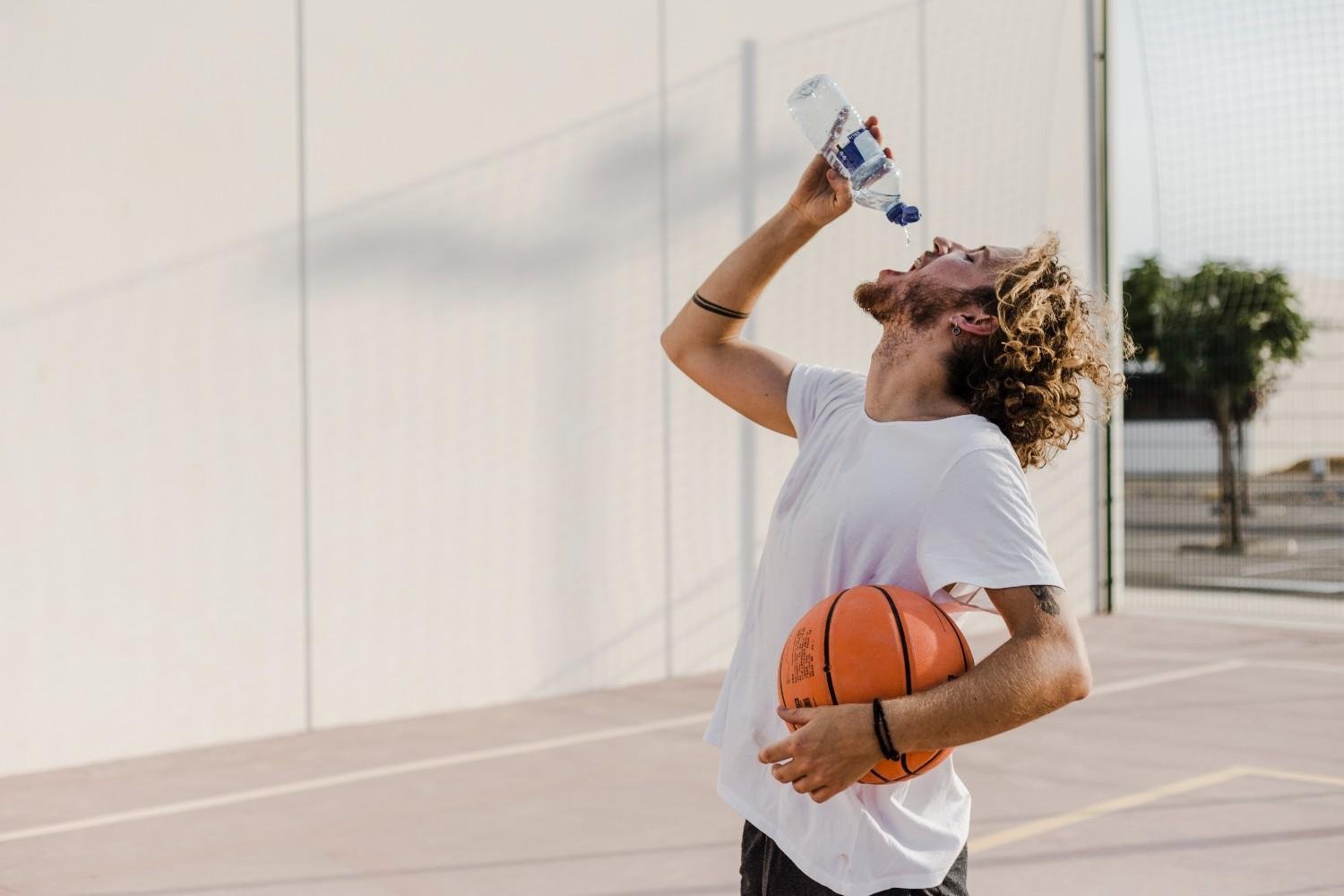
Preparation starts before you even leave.
The day before travel, I increase my water intake gradually instead of forcing it all at once. This helps my body stay balanced and absorb fluids effectively. I also include electrolytes if I know I’ll be playing in heat or after long travel hours.
On travel day, I don’t wait until I feel thirsty. I drink water in the morning as part of my routine. I also check my hydration using a simple method—the urine color test. If it’s pale like lemonade, I know I’m in a good range.
How Do You Stay Hydrated During Flights and Bus Trips?
This is where discipline matters most.
I follow what I call the “Little and Often” rule. Instead of drinking large amounts occasionally, I sip water every 15 to 20 minutes. On flights, I aim for about one cup per hour to counter dry cabin air.
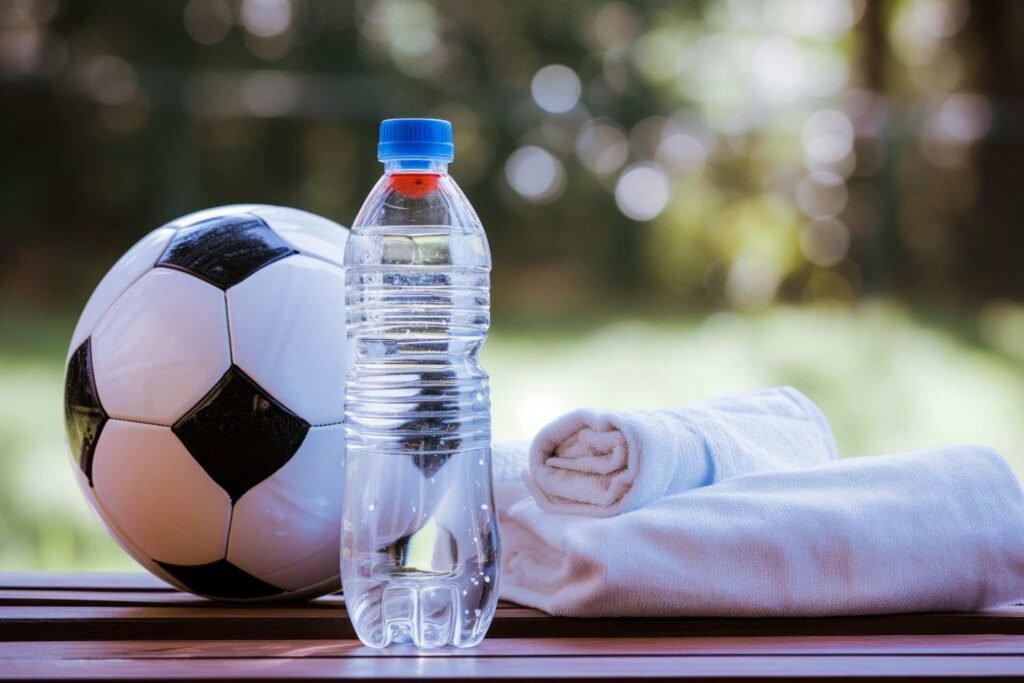
I always carry a refillable bottle so I stay consistent. This keeps me in control instead of depending on limited drink access.
I also pay attention to what I avoid. Caffeine and energy drinks act as fluid robbers. They increase fluid loss and make dehydration worse. Salty snacks do the same by pulling water from your body, which leads to bloating and heavy legs.
Are Electrolytes and Food Important for Hydration?
I used to think hydration was just about water, but that’s only part of the picture.
Electrolytes help your body retain fluids and support muscle function. I use them during long travel days or before high-intensity games, especially in warm conditions.
Food also plays a major role. I focus on what I call “eating your water.” Fruits like watermelon, oranges, grapes, and pineapple help maintain hydration naturally. Even simple snacks like cucumber or yogurt can make a difference.
Avoiding overly processed and salty foods during travel has helped me feel lighter and more energized when I arrive.
What Should You Do Immediately After Arrival?
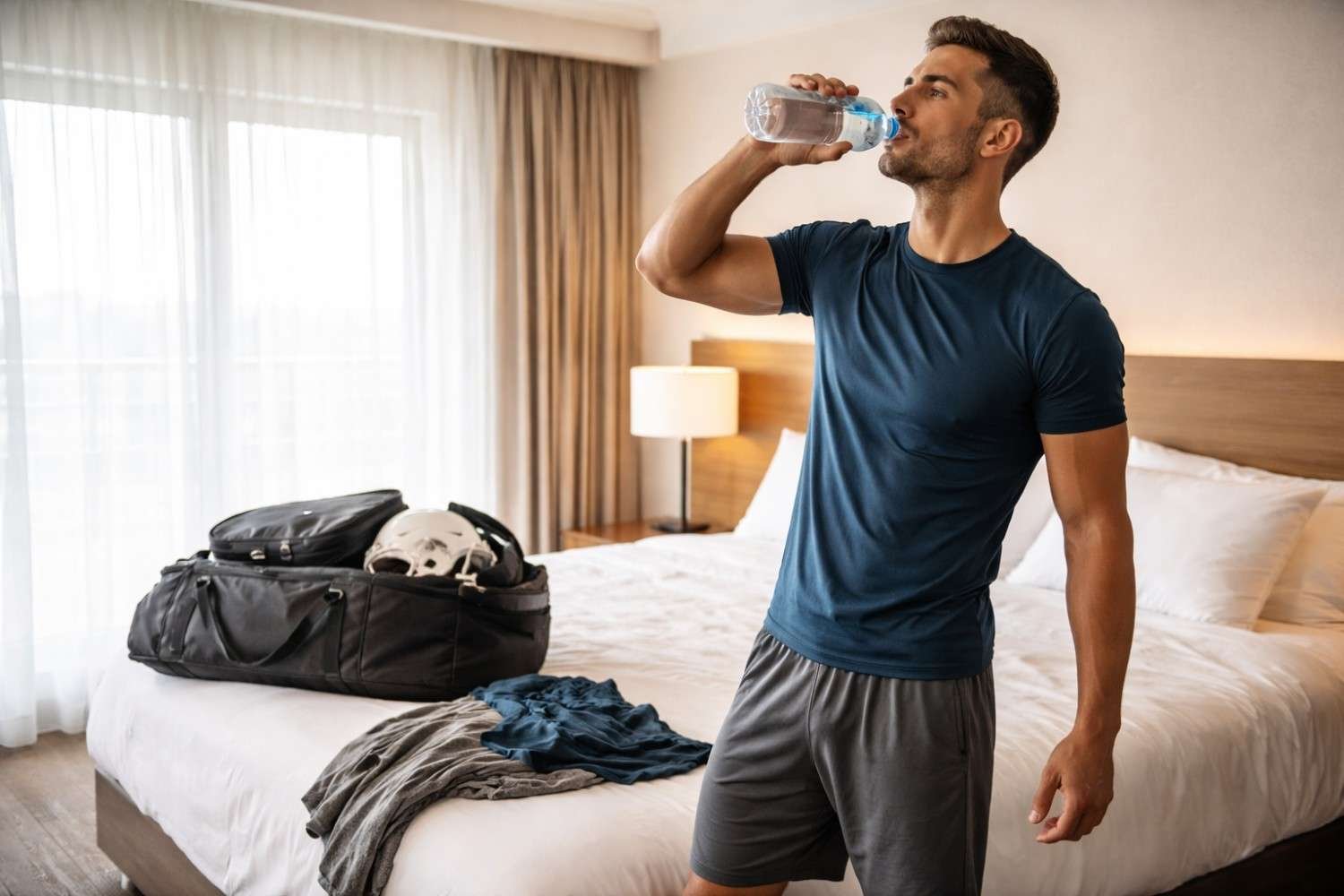
This is where I follow a simple routine that changed everything for me.
As soon as I arrive at my hotel, I follow a “Landing Ritual.” I drink around 500 ml of water right away. This helps reset my body after hours in dry air and prepares me for recovery or training.
I won’t stop there. I continue sipping water throughout the evening instead of trying to fix everything in one go. I also move around, stretch, and stay active to help my body absorb fluids better.
This one habit has made a noticeable difference in how I feel the next day.
How To Follow Hydration Tips for Traveling Football Players Step by Step
First, I prepare the day before travel by increasing fluid intake gradually and adding electrolytes if needed. I never rely on last-minute hydration.
Next, I start the travel day already hydrated. I drink water in the morning and confirm my status using simple checks like urine color.
Then, I stay consistent during travel. I follow the Little and Often rule and sip water regularly instead of waiting until I feel thirsty.
After that, I support hydration through food choices. I include fruits and avoid salty snacks or drinks that increase fluid loss.
Finally, I reset after arrival using my Landing Ritual and continue steady hydration until game time. This complete routine is what makes hydration tips for traveling football players actually work in real situations.
What Are the Biggest Hydration Mistakes Players Make While Traveling?
I’ve made most of these mistakes myself, and they always come with consequences.
Waiting until you feel thirsty is one of the biggest issues. By then, dehydration has already started. Another mistake is drinking too much at once instead of staying consistent.
Avoiding water to skip bathroom breaks is something I used to do, but it always hurt my performance. Relying only on sports drinks is another problem. Balance matters more than extremes, especially when you’re trying to stay ready for intense Football Conditioning Workouts during travel.
Ignoring hydration after arrival is also common. Many players relax too early, but that is when recovery hydration is most important.
Frequently Asked Questions About Hydration Tips for Traveling Football Players
1. How much water should football players drink during travel?
I focus on steady intake. Small sips every 15 to 20 minutes work better than drinking large amounts at once.
2. Are sports drinks necessary for hydration?
They help in certain situations, especially with long travel or heat, but I always combine them with water.
3. How can I check if I’m properly hydrated?
I use the urine color method. Light or pale color means I’m hydrated, while darker shades signal dehydration.
4. Should I avoid drinking water to reduce bathroom breaks?
No. That approach leads to fatigue and poor performance. Proper hydration is always the priority.
What Changed When I Took Hydration Seriously
Once I followed these hydration tips for traveling football players consistently, everything improved. I felt more alert, recovered faster, and performed better without feeling drained from travel.
Hydration is not something you fix at the last minute. It is a system you build into your routine. When you stay consistent, you turn travel from a disadvantage into a performance edge.