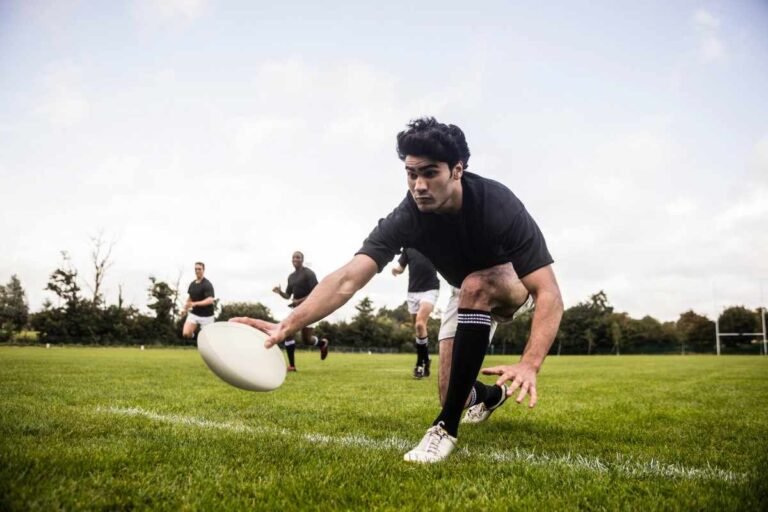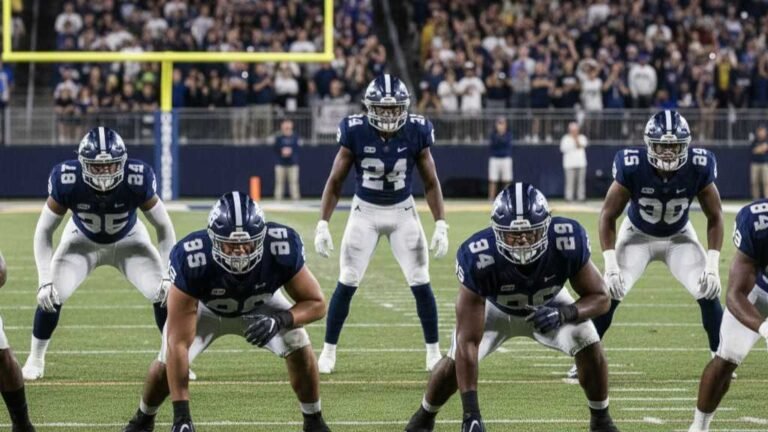
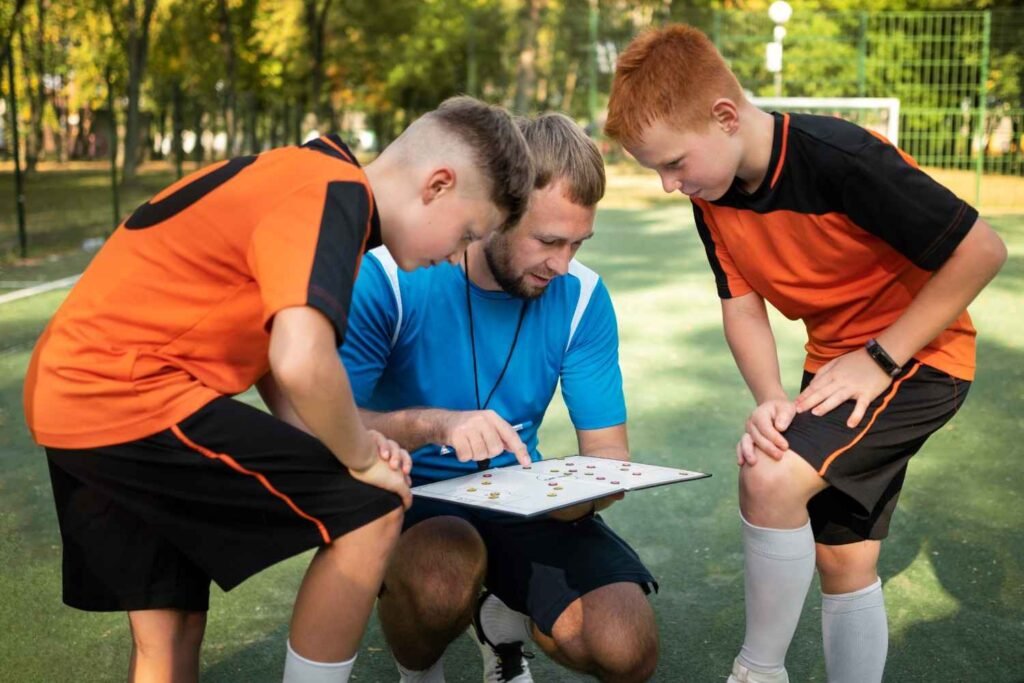
Most players think football camps are about talent—but what shocked me was how much gets judged before the first drill even starts.
I’ve seen players walk in just as skilled as everyone else… and still get overlooked. Not because they lacked ability, but because they showed up tired, unprepared, or invisible in the crowd. That used to be me too.
Once I changed how I approached travel, everything shifted. These traveling for football camps tips helped me show up sharper, stand out faster, and make a stronger impression before I even touched the ball.
Key Takeaways
- Contact coaches before camp to increase visibility
- Arrive early to recover and perform at your best
- Pack strategically, including backup gear and recovery tools
- Treat the entire camp like an interview, not just drills
- Plan travel routes and budget to reduce stress
Why Traveling for Football Camps Is More Than Just Showing Up

Most players think performance starts at the first drill. In reality, it starts days before travel.
When you’re flying across states or doing multi-city camp trips, your energy, recovery, and organization directly affect how you perform. Coaches don’t separate travel excuses from performance—they evaluate what they see immediately.
That’s why these traveling for football camps tips focus on preparation, not just participation.
How Should You Prepare Before Traveling for Football Camps?
One of the biggest game-changers for me was stopping the “show up and hope” mindset.
I now reach out to coaches before attending any camp. A simple email or DM introducing myself and letting them know I’ll be there makes a huge difference. When I arrive, I’m no longer just another player—they recognize my name.
If I’m attending multiple camps, I group them by region. For example, doing a “Texas swing” or “Midwest loop” reduces travel fatigue and saves money. This also helps me stay consistent across camps instead of feeling drained.
Physical preparation matters just as much. I never rely on camp to “get in shape.” Coaches notice immediately if you’re not ready.
What Should You Pack for a Football Camp Trip?
Packing is where most players either stay prepared or fall apart.
I always bring two pairs of broken-in cleats—one for grass and one for turf. I never risk using new cleats because blisters can ruin a session. I pack multiple moisture-wicking shirts, compression gear, and at least triple the socks I think I’ll need.
For protection, I carry my mouthguard, chinstrap, and padded gear. These are non-negotiables.
I also include recovery tools like a foam roller and electrolyte packets. Camps are physically demanding, and managing soreness early keeps me performing consistently.
Sunscreen and blister pads might seem small, but they prevent distractions that can affect your focus.
What Are the Smart Travel Strategies Most Players Miss?
Travel itself can either set you up or slow you down.
If I’m flying, I always pack one full set of football gear—especially cleats—in my carry-on. Lost luggage is real, and I never risk missing reps because of it.
For long-distance travel, I focus on hydration and minimizing jet lag. I drink water consistently and avoid heavy meals that slow me down.
I also plan to arrive at least one day early. This gives me time to recover, adjust to the environment, and mentally prepare.
How Do You Manage Budget and Travel Logistics Effectively?
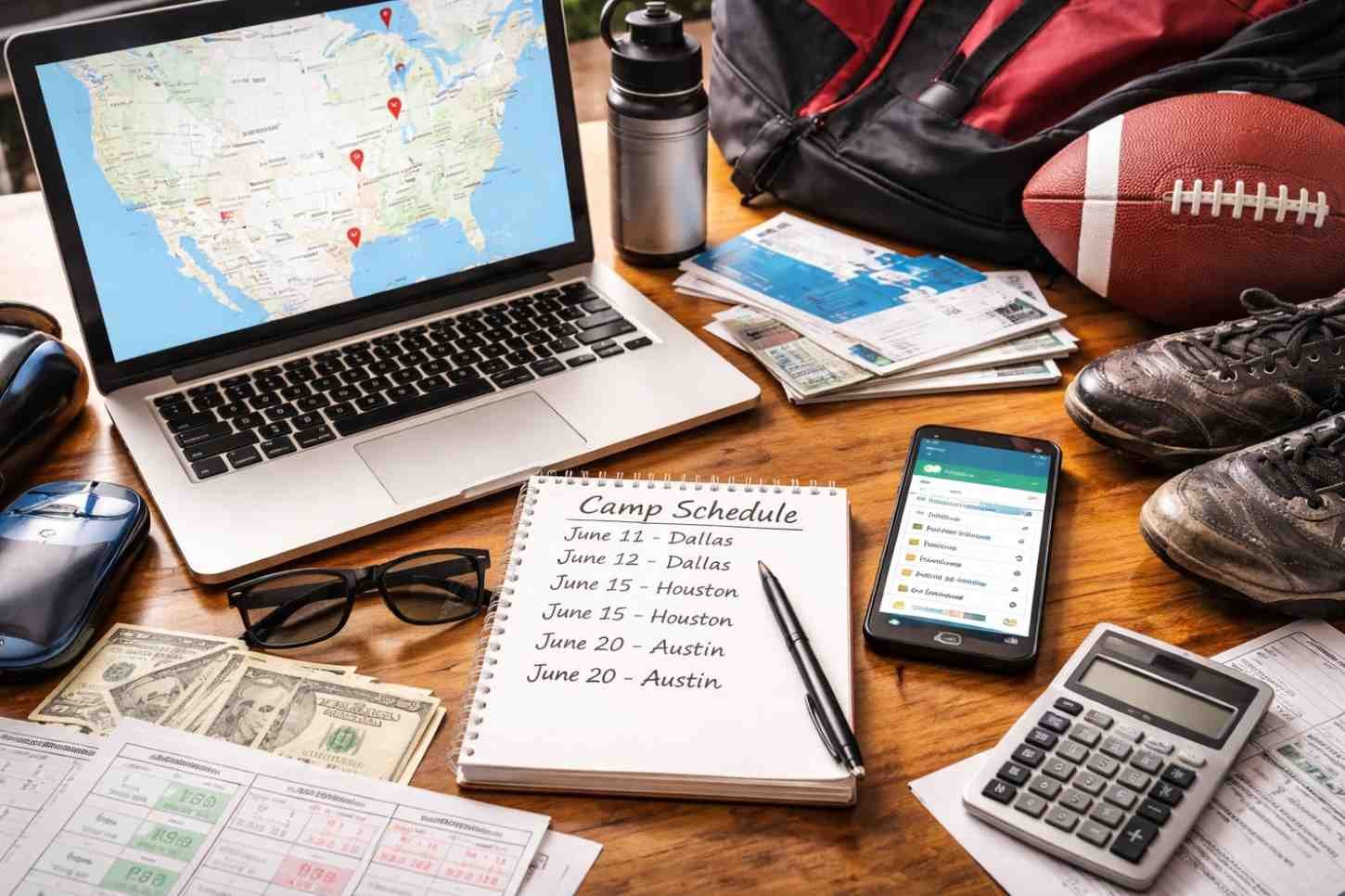
Football camps across the U.S. can get expensive fast—registration fees, flights, hotels, and meals all add up.
I started planning my trips early and tracking expenses to avoid last-minute stress. Grouping camps geographically reduces both cost and fatigue.
Booking flights and accommodations early also helps lock in better prices, especially as demand continues to rise.
This part isn’t talked about enough, but managing logistics properly keeps you focused on performance instead of worrying about money or travel issues.
How Do You Stay Physically Ready During Travel?
Travel can drain your body before you even start.
I start hydrating the day before I travel, not just when I arrive. I also bring protein snacks and electrolyte mixes to maintain energy.
Once I reach my destination, I keep things simple—light stretching, short walks, and early sleep. I avoid intense workouts because the goal is to stay fresh.
Recovery tools like foam rollers help reduce stiffness after long flights or drives. Staying consistent with these habits keeps my performance steady across multiple camp days.
Why Should You Treat Football Camps Like an Interview?
This mindset changed everything for me. Coaches aren’t just evaluating your skills—they’re watching how you carry yourself, how you interact, and how you respond to pressure. I arrive early, stay organized, and act professionally throughout the entire camp, which is especially important during sports travel for young athletes where every detail matters.
Even downtime matters. I also position myself at the front of drill lines whenever possible. This gives me more repetitions and more visibility in front of coaches. These small decisions can make a big difference in how you’re remembered.
How to Travel for Football Camps Without Stress
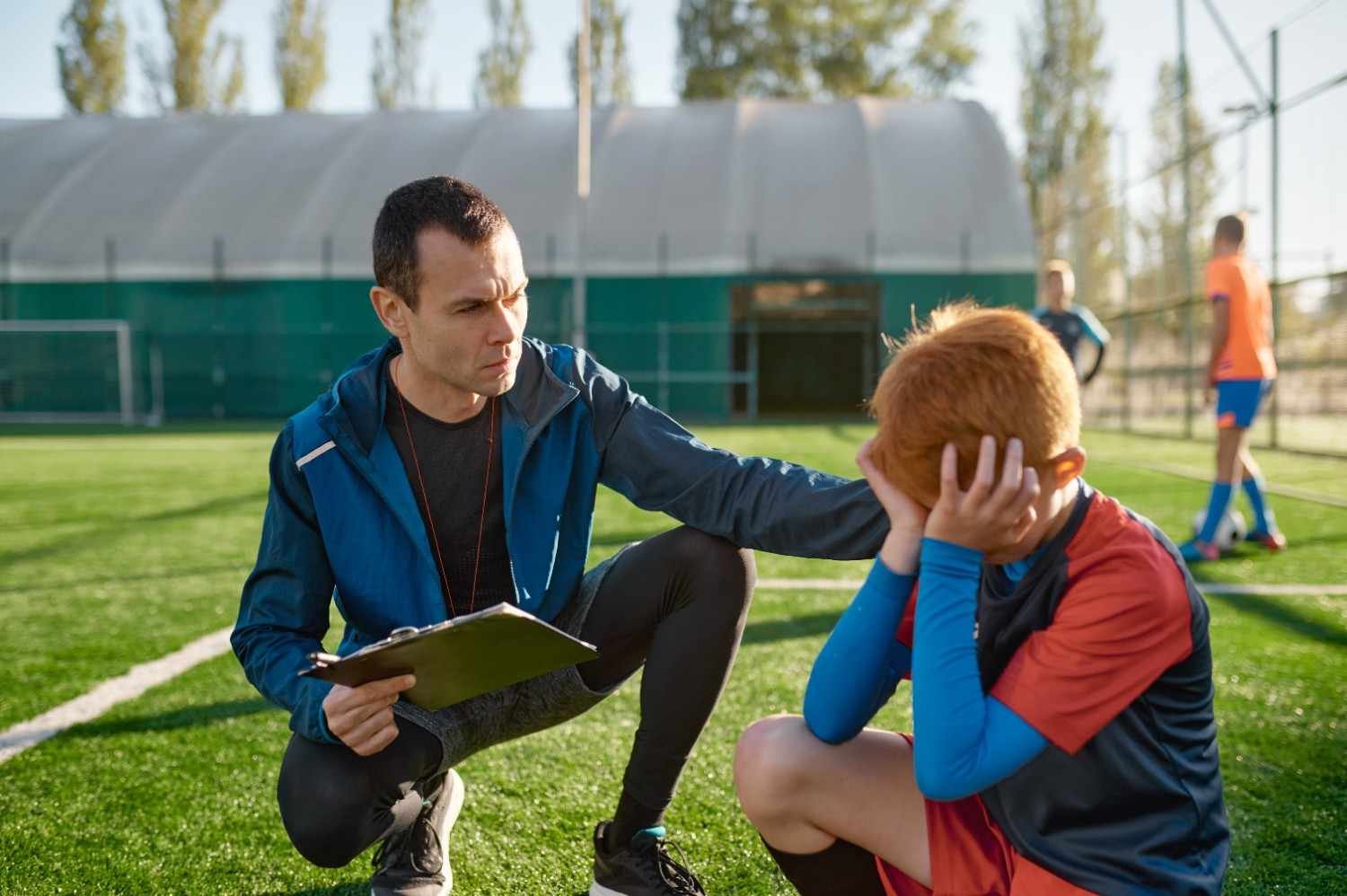
Over time, I built a simple routine that keeps everything under control.
I create a checklist a few days before travel and lay everything out. This helps me avoid forgetting anything important.
I pack in sections—gear, clothing, recovery items—so everything is easy to access.
I confirm all travel details, including camp location and check-in times, before leaving.
On travel day, I keep essentials within reach and stay hydrated throughout the journey.
Following this system makes the entire experience smoother and lets me focus fully on performance.
FAQs About Traveling for Football Camps
1. What are the most important traveling tips for football camps?
The most important tips include contacting coaches early, packing essential gear, arriving early, staying hydrated, and treating the camp like an interview.
2. How early should I arrive for a football camp?
Arriving at least one day early allows you to recover from travel, adjust to the environment, and prepare mentally.
3. What should I pack for a football camp trip?
You should pack cleats, practice gear, protective equipment, recovery tools, hydration essentials, and personal items like sunscreen and notebooks.
4. How do I stand out at a football camp?
Reach out to coaches beforehand, stay professional, position yourself for more reps, and maintain strong energy throughout the camp.
So, What Really Makes the Difference?
Once I started treating travel as part of my preparation—not just a way to get to camp—everything improved.
These traveling for football camps tips helped me stay organized, manage stress, and perform better when it mattered most.
When you combine smart planning, the right mindset, and consistent routines, you don’t just show up—you stand out.