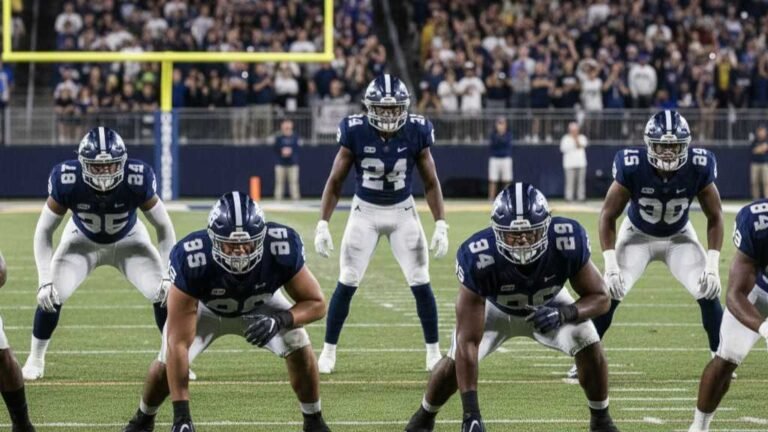

I still remember the moment it clicked for me. After just a couple of days at camp, everything on the field started slowing down—in the best way possible. I was reacting faster, reading plays earlier, and moving with a level of confidence I hadn’t felt before. That’s when I realized how football camps boost performance in a way regular practices simply can’t replicate.
What makes the difference isn’t just harder training—it’s smarter, more focused development. You’re surrounded by serious players, coached with precision, and pushed through drills that actually translate to real game situations. If you’ve ever felt stuck in your progress or wondered what it takes to truly level up in the US football system, this is where things start to change.
Why Do Football Camps Accelerate Skill Development So Quickly?
The biggest shift I noticed at camp was the intensity of repetition. Instead of practicing a skill once or twice during a session, you repeat it dozens of times with immediate correction. This taps into neuroplasticity, where your brain adapts faster through consistent repetition.
Each day builds on the previous one. That continuous momentum allows players to refine ball control, passing accuracy, and positional movements much faster than standard practice schedules.
Another key factor is the coaching ratio. Many elite camps in the US operate with small groups, which means coaches can correct mistakes instantly. This prevents bad habits and helps players improve technique efficiently.
How Do Football Camps Improve Position-Specific Skills and Game Strategy?

One of the biggest advantages of attending football camps is specialized training. Instead of generic drills, players focus on their exact role on the field.
Quarterbacks work on timing and decision-making, receivers refine routes and separation, while defensive players focus on reading plays and positioning. This targeted approach helps players understand the tactical side of football much more clearly.
I found that breaking down real-game scenarios helped me react faster during actual matches. That deeper understanding of formations and movement is a huge reason how football camps boost performance becomes obvious during competition.
How Do Football Camps Build Speed, Agility, and Sport-Specific Conditioning?
Football camps are designed to mirror the real demands of the game. Instead of generic fitness routines, they focus on explosive speed, quick direction changes, and short bursts of energy.
Daily drills include agility ladders, cone work, and reaction-based exercises that improve coordination and acceleration. These are essential for both offensive and defensive performance.
What stood out most to me was how quickly endurance improved. Training multiple times a day forces your body to adapt to game-like fatigue, making you more prepared for high-intensity situations on the field.
How Do Football Camps Improve Recovery and Reduce Injury Risk?
One area many players overlook is recovery. High-level football camps in the US don’t just train you harder—they teach you how to recover smarter.
Mobility exercises, stretching routines, and proper warm-ups are built into daily schedules. Some programs even introduce recovery techniques like hydration strategies, nutrition planning, and muscle care.
Learning how to manage your body is critical. When you combine intense training with proper recovery, you improve performance while reducing the risk of injuries.
How Do Football Camps Develop Mental Toughness and Decision-Making?
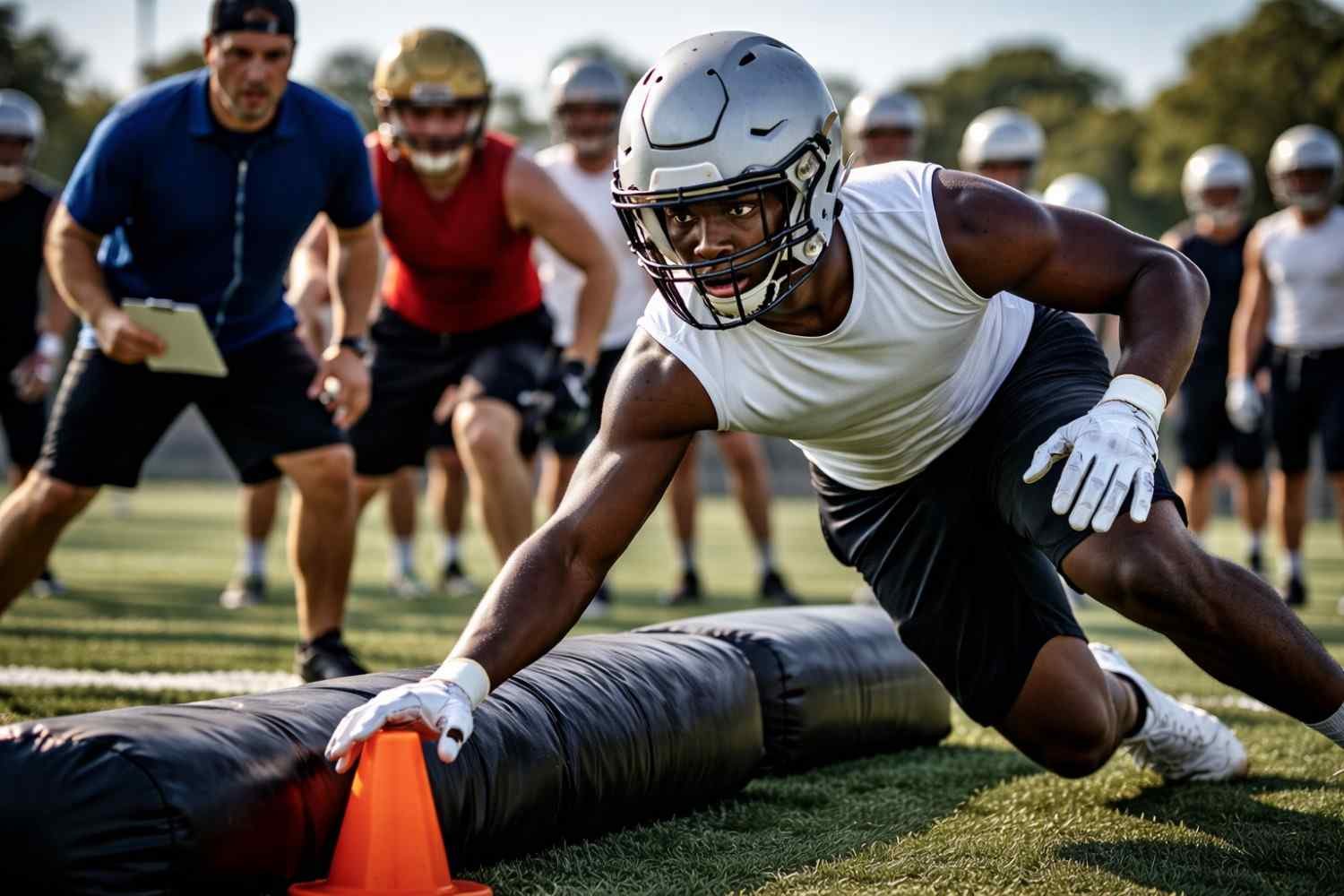
Football is as much mental as it is physical. Camps place players in high-pressure situations that force quick thinking and strong decision-making.
Structured drills improve cognitive skills like attention, reaction time, and situational awareness. You learn how to process information faster, which directly impacts your performance during games.
From my experience, confidence grows naturally in this environment. You’re constantly challenged, and each successful rep builds trust in your abilities. This mental edge is a major part of how football camps boost performance at every level.
How Do Football Camps Help With Exposure and College Opportunities in the US?
One of the biggest advantages of attending football camps in the US is exposure. Many camps attract college coaches and scouts looking for talent.
While camps don’t guarantee recruitment, they provide a platform to showcase your skills in a competitive environment. You also get feedback from experienced coaches, which can guide your development.
Another benefit is networking. You meet players who are equally serious about improving, creating connections that can support your long-term journey in football.
Are Football Camps Worth It for Long-Term Player Development?
In my experience, football camps are one of the fastest ways to level up your game. They combine skill training, conditioning, mental preparation, and competition into one focused environment.
However, the real value comes from consistency after the camp ends. The techniques, habits, and discipline you build need to become part of your daily routine.
If you apply what you learn, the improvements don’t just last—they continue to grow over time.
How To Get the Maximum Results From a Football Camp
To get the most out of a camp, you need a clear approach.
Start by setting specific goals before attending. Whether it’s improving speed, mastering your position, or building confidence, having a focus makes each session more effective.
Stay coachable throughout the process. Apply feedback immediately and don’t be afraid to make mistakes. Growth happens when you push beyond your comfort zone.
Most importantly, treat every drill like a real game situation. The intensity you bring into training determines how well those improvements translate on the field.
Frequently Asked Questions (FAQs)
1. How do football camps boost performance for beginners?
Football camps provide structured training, expert coaching, and repeated practice, helping beginners learn faster and build strong fundamentals.
2. Are football camps worth it for high school players in the US?
Yes, they help players improve skills, gain exposure, and compete at a higher level, which is essential for those aiming for college football.
3. Do football camps improve speed and agility?
Most camps include sport-specific drills designed to improve quickness, coordination, and reaction time, which directly impact performance.
4. Can football camps help with college recruiting?
They provide exposure and feedback from coaches, but players still need consistent performance and development to get recruited.
Why Football Camps Can Transform Your Game Completely
Looking back, attending a football camp changed how I approached training. It wasn’t just about working harder—it was about training smarter, understanding the game deeply, and building discipline, including learning how to use the right Football Training Equipment effectively.
That’s ultimately why players keep returning. The environment pushes you to improve faster, think sharper, and perform better under pressure.
If you’re serious about your development, this is one investment that can truly change your trajectory.