

Reinforcement bars play a critical role in modern construction projects. They provide the necessary tensile strength to concrete structures, which by itself is weak in tension. Selecting the best reinforcement bars is essential to ensure structural integrity, durability, and safety in buildings, bridges, and other infrastructure. Understanding the various types, grades, and specifications is key to making the right choice.
Understanding Reinforcement Bars
Reinforcement bars, commonly referred to as rebars, are steel bars embedded within concrete to enhance its mechanical properties. Their primary function is to carry tensile loads and resist cracking caused by tension forces. Concrete can withstand significant compressive forces, but it is inherently brittle. Therefore, reinforcement bars compensate for this weakness.
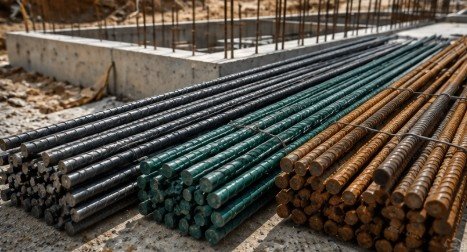
Rebars are typically manufactured from carbon steel and have surface deformations to improve the bond with the surrounding concrete. These surface ribs ensure that the bars remain anchored within the concrete, preventing slippage when subjected to stress.
Importance of Quality Reinforcement Bars
The quality of reinforcement bars directly influences the performance and safety of a construction project. Inferior quality rebars can lead to structural failures, increased maintenance costs, and potential hazards. It is important to source reinforcement bars from reliable suppliers who adhere to industry standards and quality control processes.
Key factors affecting rebar quality include the chemical composition, tensile strength, ductility, and weldability. Additionally, compliance with standards such as British Standards (BS 4449) or other relevant codes is essential for ensuring usage suitability.
Types of Reinforcement Bars
There are various types of reinforcement bars designed for different structural applications. The most common types include:
Carbon Steel Reinforcing Bars
These are the standard rebars used in most construction projects. Carbon steel rebars are cost-effective and provide good tensile strength. They are available in different grades depending on the carbon content and yield strength.
Epoxy-Coated Reinforcement Bars
Epoxy-coated rebars have a protective resin coating that shields them from corrosion. These are especially useful in environments exposed to moisture, chlorides, or chemicals, such as marine structures or roadways where de-icing salts are used.
Stainless Steel Reinforcing Bars
Stainless steel rebars provide excellent corrosion resistance but come at a higher cost. They are employed in high-performance structures where durability and minimal maintenance are priorities.
Glass-Fibre Reinforced Polymer (GFRP) Bars
GFRP rebars are non-metallic and offer advantages such as resistance to corrosion, thermal insulation, and lightweight properties. However, they have different mechanical properties that need consideration during design.
Selecting the Appropriate Grade
Reinforcement bars come in different grades that specify their yield strength and ductility characteristics. The grade affects the performance of the reinforced concrete and influences design calculations.
In line with British Standards, common grades include B500A, B500B, and B500C, where the number denotes the minimum yield strength in megapascals (MPa). B500C is often preferred for its higher ductility, making it suitable for seismic zones and structures subject to dynamic loads.
Yield Strength and Ductility
Yield strength determines the maximum stress a rebar can withstand before permanent deformation. Ductility defines the material’s ability to deform without fracture. For safety and longevity, both properties must align with the structural requirements and environmental conditions.
Corrosion Resistance Considerations
One of the major challenges in using reinforcement bars is corrosion. When steel bars corrode, they expand in volume, causing concrete cracking and spalling, which compromises structural capacity.
Factors contributing to corrosion include exposure to chlorides, carbon dioxide ingress leading to carbonation, humidity, and presence of cracks. Choosing appropriate anti-corrosion measures, such as epoxy coatings or stainless steel rebars, enhances durability.
Size and Diameter Selection
The diameter of reinforcement bars impacts the load-bearing capacity and spacing within the concrete. Common diameters range from 6mm to 40mm, selected as per the structural design specifications.
Thicker bars provide higher tensile strength but may pose challenges in terms of bending and placement. Engineers must balance strength, practicality, and cost when determining the bar size. Projects requiring travel may also benefit from budget planning for sports camps.
Supplier Selection
Reliable sourcing of reinforcement bars is vital for construction quality. Reputable suppliers provide certified products that comply with standards, accompanied by test reports and traceability documentation.
Choosing a supplier who offers comprehensive product information, technical support, and timely delivery contributes significantly to project success. For example, the supplier available at reinforcement bars offers a range of certified rebars suitable for diverse construction needs.
Compliance with Standards and Codes
Ensuring that reinforcement bars meet national and international standards guarantees safety and compatibility with design practices. In the UK and many other countries, BS 4449:2005+A3:2016 specifies the requirements for ribbed steel bars for concrete reinforcement.
Adherence to such standards confirms that the rebars have undergone necessary testing for tensile strength, bending, and elongation properties.

Environmental and Sustainability Factors
The manufacturing and use of reinforcement bars also have environmental implications. Sustainable construction practices encourage the use of rebars made from recycled steel and those that contribute to reducing overall carbon footprint.
Some modern suppliers employ eco-friendly production methods and offer products that align with green building certifications. Considering these factors can add value beyond structural performance.
Installation and Handling
Proper handling and installation of reinforcement bars are crucial to maintain their strength and ensure uniform load distribution. Rebars should be stored away from moisture to prevent surface rusting before installation.
During placement, correct positioning and adequate concrete cover must be maintained to protect the steel from corrosion and mechanical damage.
Cost Factors
Cost remains a significant consideration when selecting reinforcement bars. While higher-grade or corrosion-resistant bars offer better performance, they also come at higher prices. Project budgets, lifespan expectations, and maintenance costs must be evaluated to make an informed decision.
Conclusion
Choosing the best reinforcement bars for construction projects involves a comprehensive assessment of material properties, environmental conditions, compliance standards, and cost-effectiveness. Understanding the types, grades, and protective measures enables engineers and project managers to select reinforcement bars that enhance structural integrity and durability.
Engaging with reputable suppliers that provide certified and quality-assured products is essential. For a reliable selection of reinforcement bars, partnering with experienced vendors ensures that the project requirements are met with precision and professionalism.