
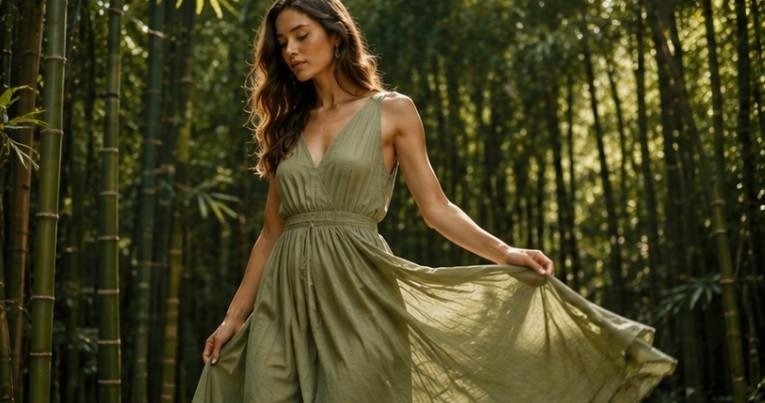
In recent years, the fashion industry has witnessed a significant shift towards sustainability, with consumers increasingly seeking eco-friendly alternatives. One notable development in this area is the growing popularity of bamboo dresses for women. These garments offer an attractive combination of environmental responsibility, comfort, and style, marking them as a promising choice for conscious consumers.
Understanding Bamboo as a Fabric Source
Bamboo is a fast-growing grass that requires minimal agricultural inputs. Unlike cotton, which is water-intensive and often demands pesticides, bamboo thrives with little water and no need for chemical treatments. This characteristic makes it one of the most sustainable raw materials available for textile production.
The process of converting bamboo into fibre involves several methods, including mechanical and chemical treatments. Mechanical processing retains more of the natural properties of bamboo but is labour-intensive and less common. The most widespread method is the viscose process, which dissolves bamboo cellulose to create a soft, silky fabric. Innovations in processing techniques continue to reduce environmental impact, improving the sustainability of bamboo textiles overall.
Benefits of Bamboo Dresses for Women
Bamboo fabric offers several advantages that contribute to its appeal in women’s fashion. Firstly, it is highly breathable, allowing for effective moisture absorption and air circulation. This property ensures that bamboo dresses provide comfort in a range of climates.
Additionally, bamboo fabric is naturally antibacterial and resistant to odour, reducing the need for frequent washing and thereby conserving water and energy. Its softness and smooth texture contribute to wearer comfort, making bamboo dresses a desirable option for those with sensitive skin.
Another important benefit lies in the fabric’s durability. Bamboo is resilient, able to maintain its shape and appearance through repeated wear and wash cycles. This quality supports sustainable consumption by reducing the need for frequent garment replacement.
Environmental Impact and Sustainability
The environmental footprint of fashion is a critical factor influencing consumer choices. Bamboo’s rapid growth rate and low input requirements result in a smaller ecological impact compared with traditional materials. Bamboo plantations also contribute to soil health and can help reduce erosion, further enhancing environmental benefits.
In addition to the raw material advantages, bamboo fabric production tends to generate fewer greenhouse gas emissions than the cultivation and processing of synthetic fibres, such as polyester. Its biodegradability at the end of the garment’s life cycle presents further advantages over synthetic alternatives that contribute to microplastic pollution.
Fashion Industry Adoption of Bamboo Dresses
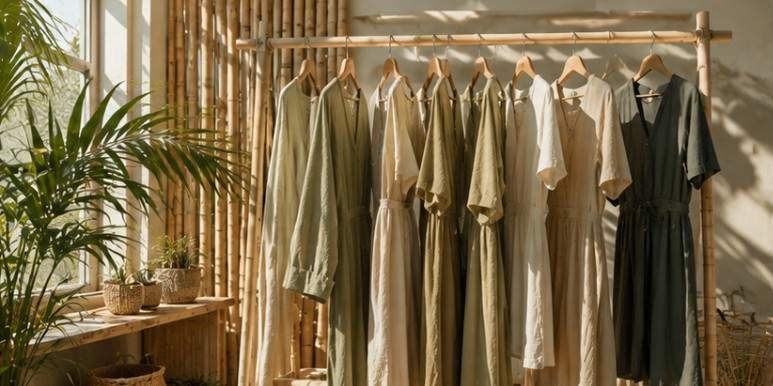
More clothing brands are incorporating bamboo into their product offerings as part of a broader commitment to sustainability. Women’s dresses made from bamboo fabric are gaining traction due to their versatility and eco-friendly credentials.
From casual wear to elegant designs, bamboo dresses are suitable for various occasions. Designers appreciate the fabric’s drape and texture, which allow for contemporary styles without compromising comfort or ethical considerations.
Consumer Awareness and Demand
Consumers today are more informed about the environmental and social impacts of their purchasing decisions. This increased awareness has driven demand for sustainable fashion options, including bamboo dresses for women. The preference for transparent supply chains and environmentally responsible materials encourages brands to disclose information about bamboo sourcing and production methods.
Retailers offering bamboo dresses often highlight their sustainable attributes to meet customer expectations. Online platforms focusing on eco-conscious fashion provide a convenient way to access high-quality bamboo garments that reflect modern sustainability values.
Challenges and Considerations
Despite the advantages, there are challenges in the bamboo textile industry. The chemical processes traditionally involved in fabric production have raised concerns about environmental pollution if not managed carefully. Certification schemes and improved manufacturing standards are essential to ensure bamboo fabric remains a genuinely sustainable choice.
Cost can also be a factor, as bamboo dresses may be priced higher than conventional alternatives. However, the longer lifespan and superior comfort may justify the investment for consumers prioritising quality and sustainability.
Selecting Quality Bamboo Dresses
When choosing bamboo dresses for women, attention should be given to fabric quality, manufacturing practices, and brand transparency. Products that clearly state their bamboo sourcing and processing methods provide added assurance of sustainability. Additionally, examining customer reviews and garment care instructions can help consumers make informed decisions.
Brands dedicated to sustainability often integrate bamboo with other eco-friendly materials, further enhancing the environmental performance of their collections. Such blends may improve fabric durability and aesthetics while maintaining bamboo’s beneficial qualities.
The Future of Bamboo Dresses in Sustainable Fashion

Advancements in textile technology and increased consumer demand are likely to drive continued growth in the bamboo dress market. Enhanced processing methods that reduce chemical use and energy consumption are expected to make bamboo fabrics even more sustainable.
Furthermore, collaborations between designers, manufacturers, and sustainability advocates may promote innovation and wider adoption of bamboo fabrics. Public education campaigns highlighting the benefits of bamboo dresses can further boost consumer interest and support the transition to more sustainable fashion systems.
Conclusion
The rise of bamboo dresses for women reflects a broader movement towards sustainable fashion choices that combine practicality, style, and environmental stewardship. Bamboo fabric’s unique properties, including breathability, comfort, and durability, make it an attractive option for modern wardrobes prioritising sustainability.
Consumers looking to make environmentally responsible choices can explore a growing selection of bamboo dresses for women that exemplify the potential of this innovative material. As the fashion industry continues its shift towards ethical production, bamboo dresses stand as a compelling example of how natural fibres can contribute to a more sustainable future.