

Fiji surfing offers some of the most exceptional waves and tropical conditions for enthusiasts at all levels. Known for its crystal-clear waters, warm climate, and diverse reef breaks, Fiji has become a sought-after destination for surfers worldwide. This guide aims to provide comprehensive information about planning a surf trip to Fiji, covering everything from the best surf spots to travel tips and necessary preparations.
Why Choose Fiji for Surfing?
Fiji is renowned for its world-class surf breaks that cater to a variety of skill levels. The combination of consistent swells, warm water temperatures averaging 26 to 29 degrees Celsius, and stunning natural scenery makes it an ideal location for a surf holiday. Many of the breaks occur over coral reefs, which create fast, powerful waves known for their shape and rideability.
For those considering a fiji surf experience, the islands offer a mix of solitude and vibrant local culture, enhancing the overall appeal of a surf trip. Unlike more crowded surf destinations, Fiji’s spots often allow surfers to enjoy waves with fewer people, resulting in a more personal and immersive experience.
Best Surf Spots in Fiji
Fiji’s surf spots are spread across several islands, with some of the most famous located on the Coral Coast and on the island of Tavarua. These locations provide a variety of breaks suitable for different surfing styles and levels of expertise.
Cloudbreak
Arguably the most famous surf spot in Fiji, Cloudbreak offers a challenging and powerful wave favoured by advanced surfers. Located near Tavarua Island, it is a left-hand reef break that can reach heights exceeding 15 feet during peak swell conditions. Cloudbreak is known for its long rides and barreling waves, making it a highlight for many surf travellers.
Restaurants
Another top spot near Tavarua, Restaurants is a right-hand reef break that is less intense than Cloudbreak but still offers excellent waves for intermediate and advanced surfers. The wave breaks over a coral reef and requires some local knowledge to safely navigate the take-off zones.
Wilkes Pass
Situated near the island of Namotu, Wilkes Pass provides a more accessible wave suitable for surfers with intermediate skills. It features a gentle right-hand reef break and is ideal for those seeking to improve their surfing in a less intimidating setting.
When to Go Surfing in Fiji

The best time for a surf trip to Fiji depends on the swell patterns and weather conditions. Generally, the surf season runs from April to September, coinciding with the Southern Hemisphere winter when swells generated by storms in the Southern Ocean produce consistent waves. This period often brings larger swells, ideal for experienced surfers looking to ride bigger waves.
During the other months of the year, smaller but still surfable waves prevail, which is excellent for beginners or those who prefer less powerful waves. Additionally, the water temperature remains warm year-round, making surfing comfortable regardless of the season.
Surf Trip Planning and Logistics
Planning a surf trip to Fiji involves several considerations, including flight arrangements, accommodation, equipment rental, and local transportation. International flights arrive primarily at Nadi International Airport, which is well connected to major cities in Australasia and beyond.
Accommodation options range from luxury resorts with direct access to famous surf breaks to budget-friendly lodges and surf camps. Many surf travellers prefer to stay near the Coral Coast or on surf-specific islands such as Tavarua and Namotu, which offer tailored surf packages and easy access to popular spots. Building explosive power through resistance training can also improve surf performance.
Local Surf Operators
Booking through a surf operator can simplify the process by providing curated trips, surf guiding, and equipment rental. They often offer guided surf tours, boat transfers to remote breaks, and coaching services, ensuring a safe and enjoyable experience. Surf trip operators help manage daily logistics, allowing surfers to focus on enjoying the waves.
Essential Gear for Fiji Surfing
Due to the warm tropical climate, surfers typically ride shortboards with minimal wetsuit requirements. A spring suit or simply rash guards are often sufficient to protect against sun exposure and any reef grazes. Reef booties can be helpful when navigating coral take-offs and paddling in shallow reef-lined breaks.
It is advisable to bring high SPF sunscreen formulated for water sports, as sun intensity in Fiji is strong. Carrying a waterproof bag for personal belongings and a surfboard repair kit are practical additions to a surf trip packing list.
Safety Considerations
Fiji’s reef breaks are beautiful but can be hazardous if unprepared. It is important to understand local surfing etiquette, respect reef conditions, and be aware of tides and currents. Using surf guides or locals’ advice is recommended for navigating challenging waves safely and avoiding injury.
Additionally, surfers should be mindful of the marine environment, taking care not to damage fragile coral reefs and to adhere to conservation practices to preserve these natural resources for future visitors.
Beyond Surfing: Cultural and Natural Attractions
Surf trips are more than just about waves, and Fiji provides a rich cultural experience alongside world-class surfing. The islands are home to friendly communities, and visitors have opportunities to engage with local traditions, crafts, and cuisine.
Nature lovers can explore lush rainforests, waterfalls, and pristine beaches. Many surf tour operators also offer excursions to nearby islands, snorkelling adventures, and fishing trips, making Fiji an all-encompassing holiday destination. Travellers can also explore ideas inspired by sunset cruises and private yacht events.
Environmental Sustainability
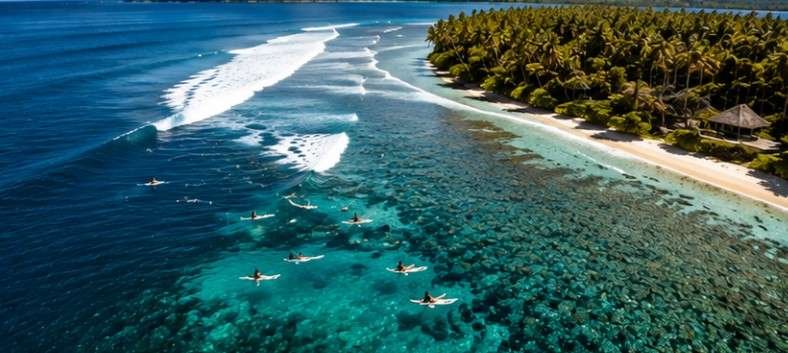
With growing awareness of environmental impacts, responsible surfing in Fiji includes supporting eco-friendly accommodations and respecting conservation zones. Choosing operators committed to sustainability helps protect the marine environment and supports local communities.
Cost and Budgeting for Fiji Surf Trips
Costs for surf trips to Fiji vary depending on accommodation choices, duration, and inclusions such as surf guiding or transfer services. Budget travellers can find reasonably priced hostels and surf camps, while luxury resorts offer premium experiences. Early booking and package deals can help manage costs effectively.
Visa and Health Requirements
Most visitors to Fiji require a tourist visa, which can be obtained on arrival for many nationalities. It is advisable to check current requirements before travel. Vaccinations and health precautions, including mosquito bite prevention, should be planned in consultation with a healthcare professional.
How to Book a Fiji Surf Trip
To book a surf trip to Fiji, it is recommended to use specialised travel providers with expertise in surf destinations. These providers offer tailored packages that include accommodation, transportation, and surf guiding services.
One such option for planning a fiji surf adventure is Atoll Travel, which specialises in surf trips and can assist with all aspects of the booking process, ensuring a smooth and enjoyable surf holiday.
Conclusion
Fiji offers an unparalleled surfing destination with its unique combination of warm water, consistent reef breaks, and vibrant culture. Whether a surfer is a seasoned pro tackling Cloudbreak or an intermediate rider looking to improve skills on Wilkes Pass, Fiji provides waves to suit all ambitions.
Careful planning regarding timing, location, and safety will enhance any surf trip experience in this South Pacific paradise. By choosing reputable operators and respecting the environment, surfers contribute to preserving Fiji’s natural beauty while enjoying some of the best waves the world has to offer.