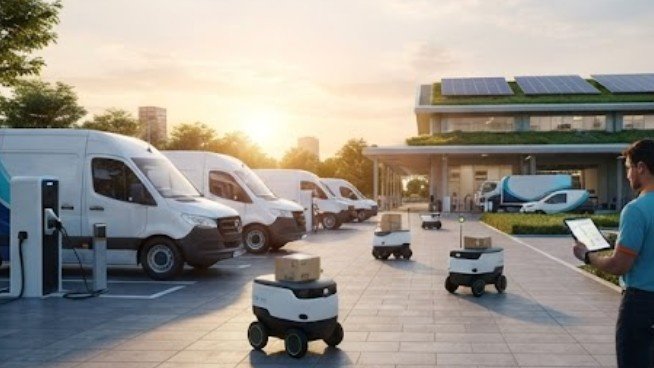
Last mile delivery represents a critical phase in the logistics and supply chain process. It refers to the final step in the delivery journey where goods are transported from a distribution centre or transportation hub directly to the end customer. This segment plays a decisive role in customer satisfaction as it is the most visible and hands-on part of the delivery service.
In recent years, the rise of e-commerce and consumer demand for faster deliveries have heightened the importance of optimising last mile delivery. Companies are investing considerable resources into refining their last mile operations in order to meet consumer expectations and reduce costs associated with this stage of the supply chain.
What is Last Mile Delivery?
The term last mile delivery describes the process whereby products are delivered from a central hub to their final destination, typically the customer’s home or business premises. Unlike previous transportation stages that involve bulk shipment and long-distance haulage, last mile delivery is characterised by smaller, more frequent shipments to dispersed locations.
This phase is often the most expensive and time-consuming part of the delivery process due to complexities such as traffic congestion, route optimisation challenges, and the need for flexible delivery schedules. Furthermore, the expectations for speed, convenience and service transparency have made last mile delivery a central focus area for supply chain innovation.
Challenges in Last Mile Delivery
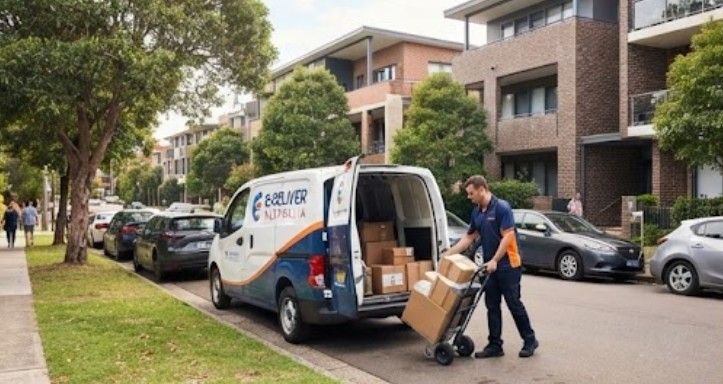
One of the primary challenges in last mile delivery is managing the balance between cost efficiency and customer satisfaction. The dispersed nature of final delivery points leads to increased transportation costs per package. Drivers may face obstacles such as limited parking, failed delivery attempts, and navigating urban environments.
Additionally, last mile deliveries often require real-time coordination and communication with customers to arrange suitable delivery times. The unpredictability of traffic patterns, weather conditions, and customer availability add further complexity. This necessitates investment in technology and infrastructure to streamline operations.
Key Strategies for Effective Last Mile Delivery
To address these challenges, companies employ a variety of strategies aimed at improving efficiency and the customer experience. Route optimisation is one of the most utilised approaches. Using sophisticated algorithms and real-time data, companies can plan routes that minimise travel distance and time, reducing fuel consumption and enabling more deliveries per day.
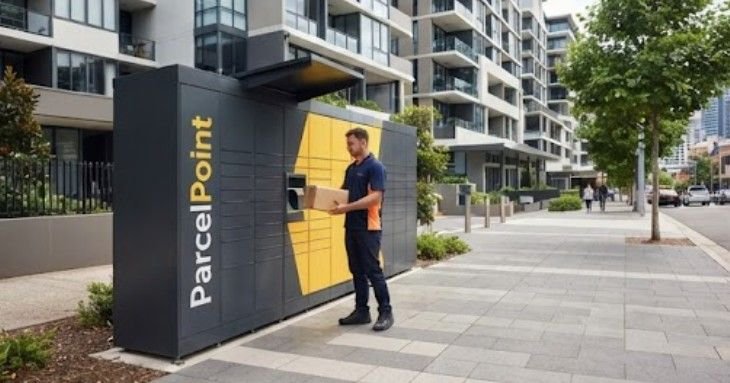
Another critical strategy is the incorporation of delivery hubs or lockers. These secure locations allow customers to pick up parcels at their convenience, mitigating the issue of failed delivery attempts. This method also consolidates deliveries into fewer stops, cutting down on operational costs.
Technology plays a significant role in last mile delivery optimisation. Real-time tracking systems provide customers and operators with up-to-date information on delivery status, enhancing transparency and trust. Automation and artificial intelligence help forecast demand, allocate resources efficiently and predict potential disruptions.
Benefits of Optimising Last Mile Delivery
Enhancing last mile delivery capabilities offers numerous benefits for businesses and consumers alike. Faster and more reliable deliveries improve customer satisfaction and loyalty, which are crucial in a competitive marketplace. Companies that can guarantee timely delivery gain a significant advantage and may see increased sales as a result.
Cost savings are another major benefit. By optimising routes, reducing failed deliveries, and improving load consolidation, businesses can significantly cut delivery expenses. This translates into improved profit margins or the ability to offer more competitive pricing.
Effective last mile delivery also contributes to environmental sustainability. Optimising delivery routes reduces fuel consumption and emissions, aligning with growing consumer demand for environmentally responsible business practices.
The Impact of E-commerce Growth
The proliferation of online shopping has substantially increased the volume and complexity of last mile deliveries. Customers now expect rapid delivery options, often within the same day. This reality pushes logistics providers to adopt innovative solutions such as crowdsourced delivery models, electric vehicles, and drones.
Retailers must adapt their supply chain strategies to handle high volumes and maintain service quality. This includes investing in urban warehouses and enhancing their digital capabilities to manage orders efficiently.
Future Trends in Last Mile Delivery
Looking ahead, last mile delivery is set to undergo further transformation through emerging technologies. Autonomous vehicles and robots are gaining traction as a means to reduce labour costs and improve delivery speed. Integrating Internet of Things (IoT) devices enhances tracking precision and helps predict maintenance needs for delivery fleets.
Furthermore, data analytics will continue to advance route planning and customer behaviour understanding. This allows for more personalised and flexible delivery options, including time-slot delivery and dynamic rerouting based on customer preferences.
Conclusion
Last mile delivery remains a pivotal component of supply chain management, directly affecting customer satisfaction and operational costs. Businesses that prioritise the optimisation of their last mile strategies stand to gain competitive advantages through improved efficiency, cost reduction and enhanced customer experience.
By continuously adopting technological innovations and strategic improvements, companies can address the inherent challenges of last mile delivery effectively. This commitment is essential in an era where consumer expectations continue to rise and market dynamics evolve rapidly.